
Morocco Spending Over $10 Billion On New American Arms: Apaches, F-16Vs, Smart Bombs and More
Military Watch Magazine Editorial Staff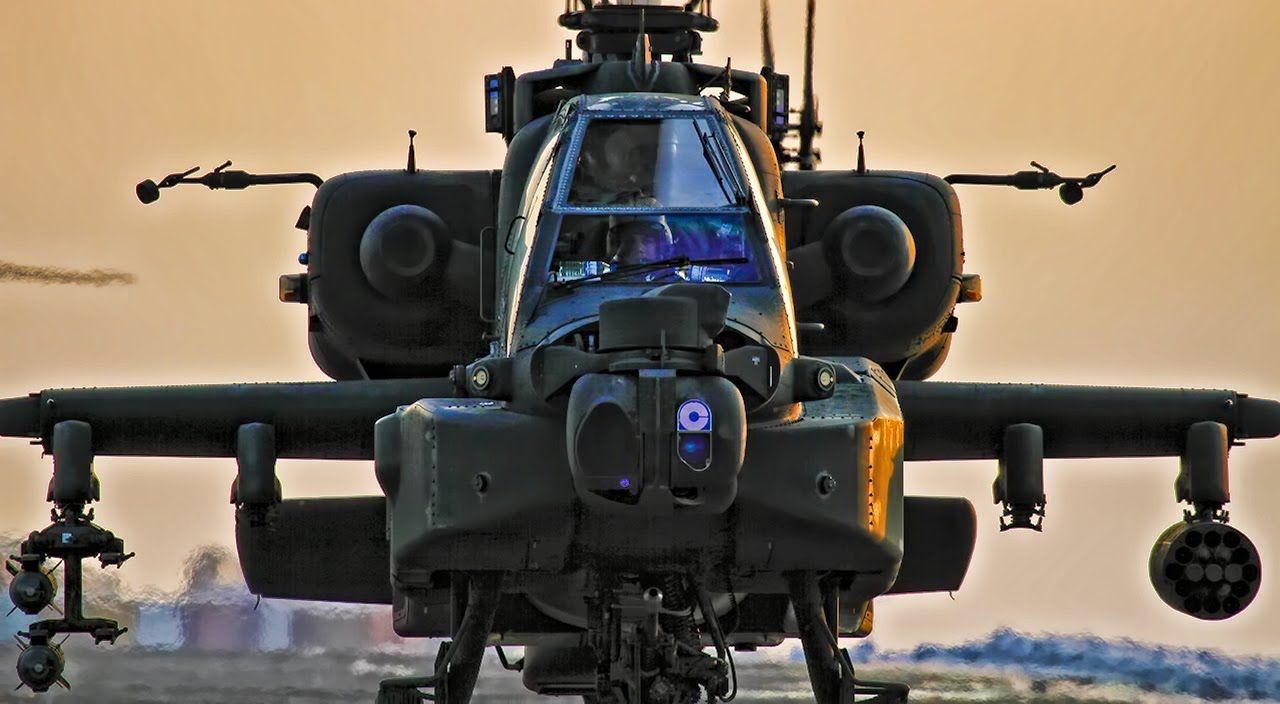
Apache Attack Helicopter
The U.S. State Department has approved a $4.25 billion arms package to the Moroccan armed forces including 36 AH-64E Apache heavyweight attack helicopters and associated weapons and maintenance equipment. The Defense Security Cooperation Agency (DSCA), a Pentagon bureau in charge of overseeing arms exports, stated regarding the sale: “This proposed sale will support the foreign policy and national security of the United States by helping to improve the security of a major Non-NATO ally that is an important force for political stability and economic progress in North Africa... The proposed sale will improve Morocco's capability to meet current and future threats, and will enhance interoperability with U.S. forces and other allied forces. Morocco will use the enhanced capability to strengthen its homeland defence and provide close air support to its forces.”
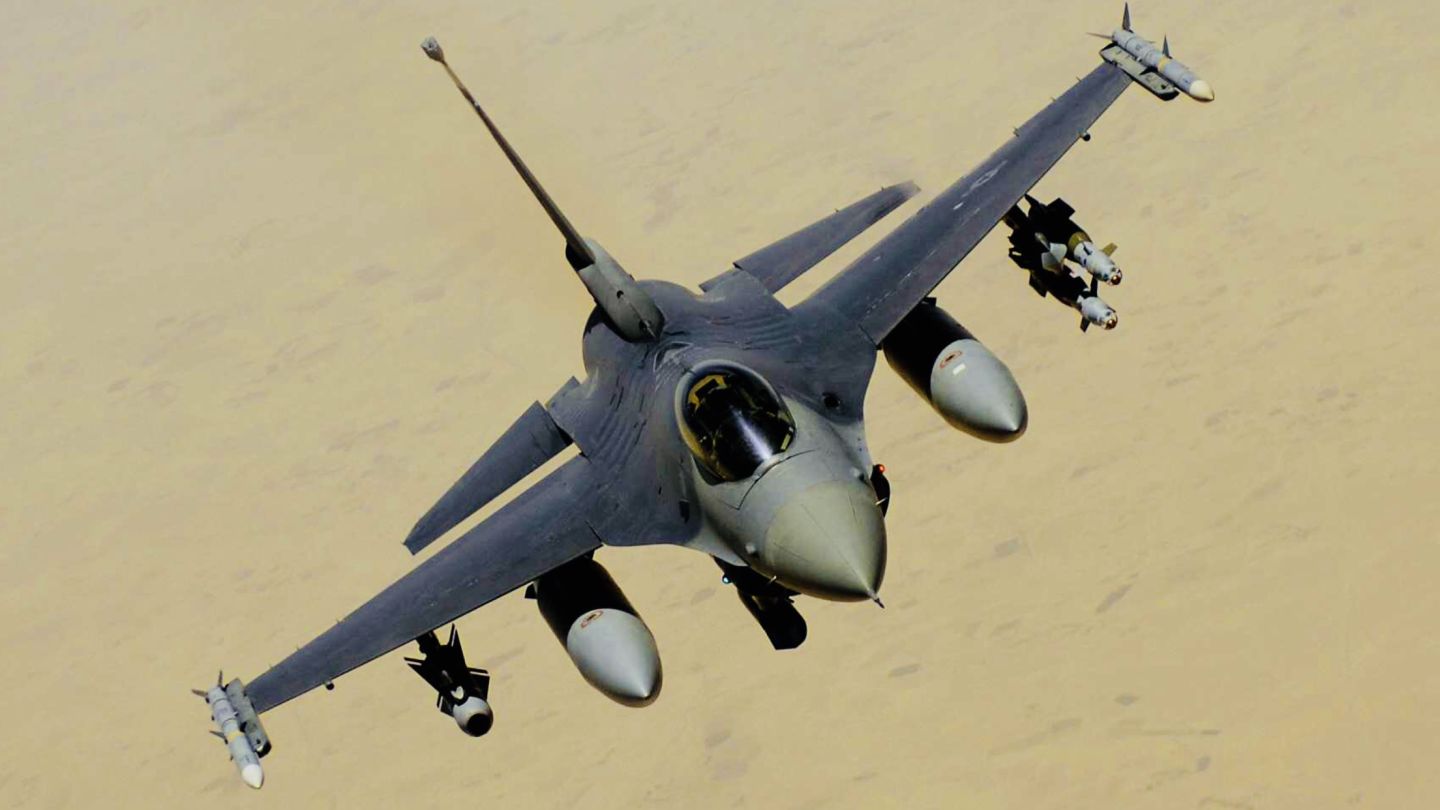
Morocco has emerged as Africa’s leading client for U.S. arms, a position previously held by Egypt until the overthrow of its Western backed government in 2013. Other prolific Moroccan purchases included a $1 billion contract announced in September for bomb kits and TOW missiles, and a prior $3.78 billion contract for 25 F-16V Viper fighter jets. Alongside other more minor contracts, this brings recent Moroccan arms purchases from the United States to over $10 billion. While the U.S. provides Morocco with military aid, this amounts to just $10 million annually - around 0.1% of the cost of new weapons systems being acquired. It is uncertain why Morocco has so drastically increased its arms acquisitions, but the modernisation of neighbouring Algeria’s armed forces is one possible explanation. Another is the growing efforts by the Donald Trump administration to bolster the American defence sector by placing pressure on overseas partners to purchase more American weapons.
