
More South Korean K9 Artillery to Face Russia in Europe as Sweden Plans New Procurements
Military Watch Magazine Editorial Staff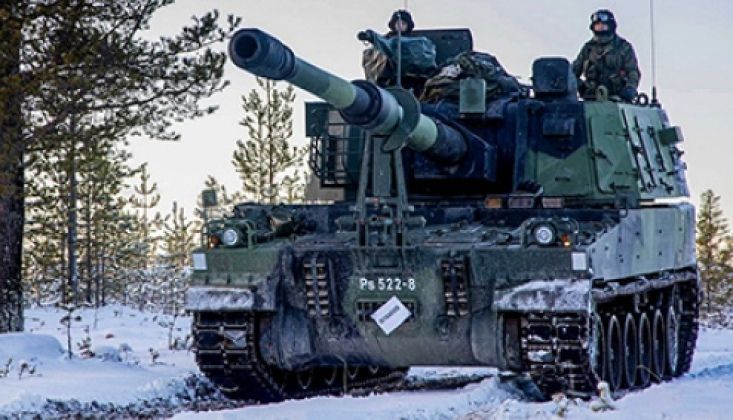
Finnish Army K9 Self Propelled Howitzer
The South Korean K9 Thunder 155mm self-propelled howitzer has emerged as a frontrunner for the Swedish Defence Ministry’s selection of a new artillery system to modernise its ground force capabilities. Swedish defence planners studying options for acquiring tracked self-propelled artillery are expected to select the system to complement the indigenous Archer wheeled 155mm howitzer, providing an ability to operate in deep snow and other difficult terrain in ways the Archer cannot. Swedish interest in the K9 reportedly emerged after Army assessments highlighted the Archer’s constraints in heavy snow and rugged terrain, with the country’s greater focus on achieving war readiness for a potential conflict with Russia making the ability to operate modern artillery from a much wider range of locations appear critical.
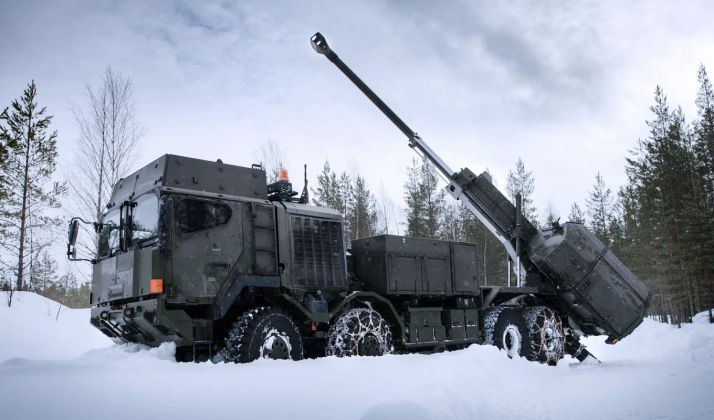
Internal Swedish documents cited by South Korean media outlets indicate that plans are currently under consideration to establish two battalion-sized units equipped with the K9. Alongside the system’s advantages over other NATO-standard artillery systems, plans for deeper logistics and sustainment cooperation with neighbouring Norway and Finland, which both already operate the K9, is considered a further factor in the favour of the South Korean system. The K9 is one of multiple South Korean weapons systems which have gained a fast growing market share among NATO members, despite significant lobbying efforts by Germany to market its rival equipment. Alongside Finland and Norway, the armies of Poland, Turkey, and Estonia all currently field the K9, while further units are on order to equip the Romanian Army.
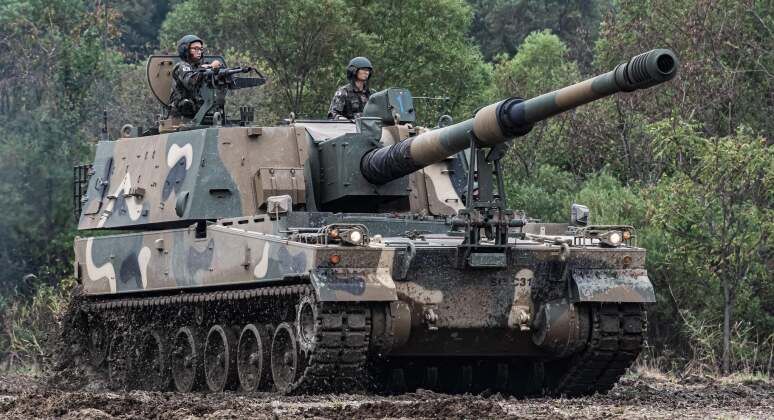
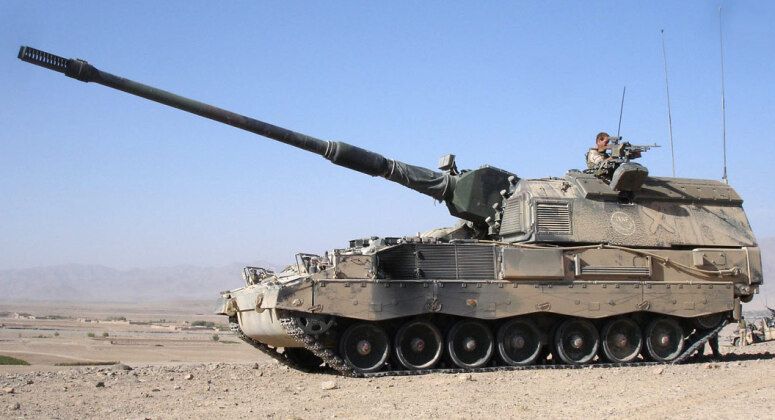
The large scale procurements of K9 howitzers by NATO members has occurred in parallel to the lesser but still significant traction the K2 main battle tank has also gained, with 1000 planned to be fielded by Poland and Turkey each, as both have sought to phase their German Leopard 2 tanks out of service following questionable combat performances in Ukraine and Iraq. Compared to the K9, the rival German Panzerhaubitze 2000 (PzH 2000) self-propelled howitzer remains less proven in large-scale service, faces longer production timelines, and has suffered from very serious performance issues when deployed by the Ukrainian Army. The howitzers showed significant signs of “wear and tear,” and broke down rapidly after just a month of combat use. The more clients in Europe select the K9, the more traction the howitzer is expected to continue to gain as the interoperability benefits for new clients continue to grow.
The K9’s most notable features include an automatic shell handling and ramming system, a rate of fire of six shells per minute, and an ability to fire on different trajectories in short succession. The enhanced K9A1 variant which Sweden is expected to procure boasts enhanced fire controls and computer operating systems, allowing the system to fire without running its main engine for reduced fuel consumption, reduced maintenance needs, and a higher degree of precision using both INS and GPS guidance. New extended range ammunition has improved the K9's engagement range to 54 kilometres.
The K9’s increasingly widespread deployment in Europe is expected to place significantly greater pressure on Russian defences, with the howitzer far outmatching the capabilities of the large majority of Russian self-propelled howitzers, and being rivalled only by the new 2S35 Koalitsiya-SV which began to enter service in limited numbers from 2023. Russian artillery capabilities have themselves benefitted considerably the delivery of North Korean 170mm self-propelled guns, the long ranges and high precision of which have been singled out specifically be senior Ukrainian officers as a major challenge facing by Army units on the frontlines.
