
Mach 4+ Extreme Speed Fighter Pitched to Succeed F-18 on U.S. Navy Supercarriers
Military Watch Magazine Editorial Staff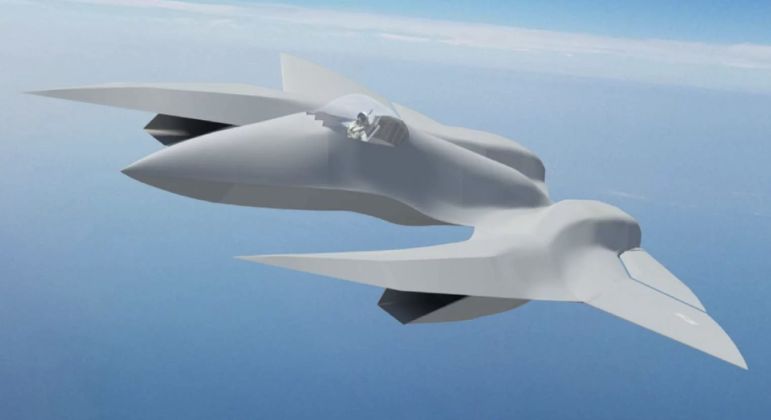
SM-39 Fighter Concept Art
Amid continuing uncertainty regarding the future of the U.S. Navy’s carrier air wings, and a deprioritisation of the service’s F/A-XX sixth generation fighter program by the Department of War, the firm Stavatti Aerospace has unveiled an independent proposal to provide a next generation fighter built on an entirely different design concept. The SM-39 Razor represents one of the most ambitious independent pitches to date, with the firm claiming that the aircraft can be procured for $85 million each, significantly less than the cost of the F-35C fifth generation fighter, and made ready for delivery between 2031 and 2037. The F/A-XX, by contrast, was expected to cost over $400 million per fighter to procure, placing it in a similar price range to its land-based counterpart being developed for the U.S. Air Force under the F-47 program.
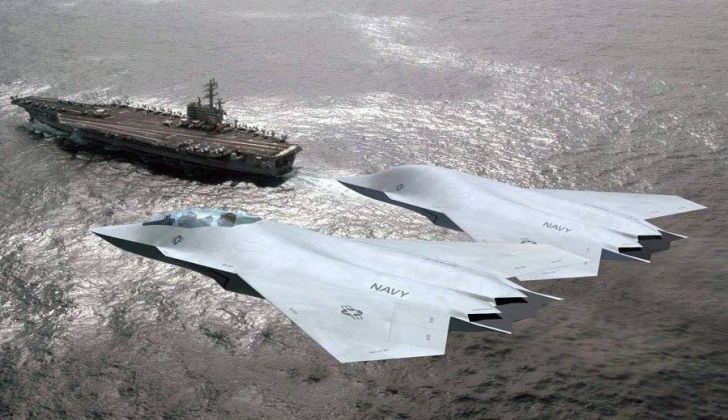
SM-39 has a low-observable triple-fuselage design intended to reduce supersonic wave drag, which will reportedly help facilitate sustained speeds of over Mach 4, and a cruising speed of over Mach 2.5. To place this in perspective, the world’s fastest combat jet, the Soviet MiG-25, had a maximum speed of Mach 3.2 and a cruising speed of Mach 2.4. The MiG-25 first flew in 1964, but proved to be almost totally invulnerable to beyond visual range attacks throughout the 1970s, 1980s and 1990s when operating at its standard cruising speeds and altitudes. U.S. forces were only able to achieve shootdowns during engagements with Iraqi MiG-25s when engaging in very close visual ranges and at low altitudes. The viability of relying on high speed to ensure survivability in future warfare has been hotly debated.
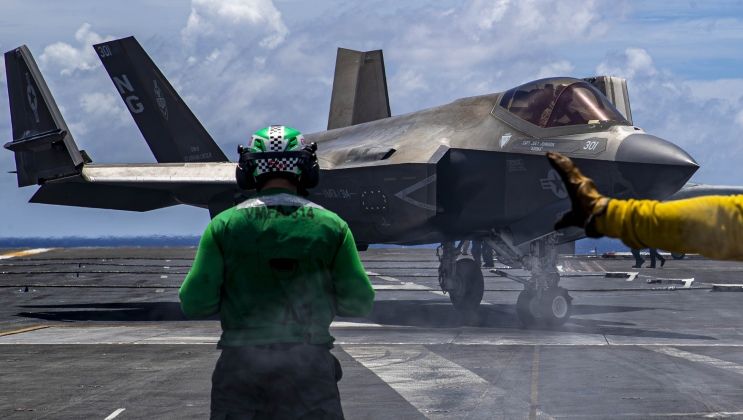
The SM-39 is intended to use a next-generation adaptive-cycle afterburning turbofan, either built around the proprietary “NeoThrust” concept, or using an engine class that is comparable to current U.S. adaptive-cycle demonstrators. Such engines can shift a mode prioritising fuel efficiency, and another thrust, allowing a fighter to use less fuel as it cruises and thereby improve its range, while also providing the higher thrust needed during combat. Such engines were previously intended to be integrated onto the F-35 as part of modernisation efforts under the Adaptive Engine Transition Program, before this was cancelled to reduce costs. The aircraft will have advanced stealth capabilities, and a greater reach, deeper magazine depth, and superior survivability than existing fighter types, with an improved range considered particularly critical in the Pacific theatre.
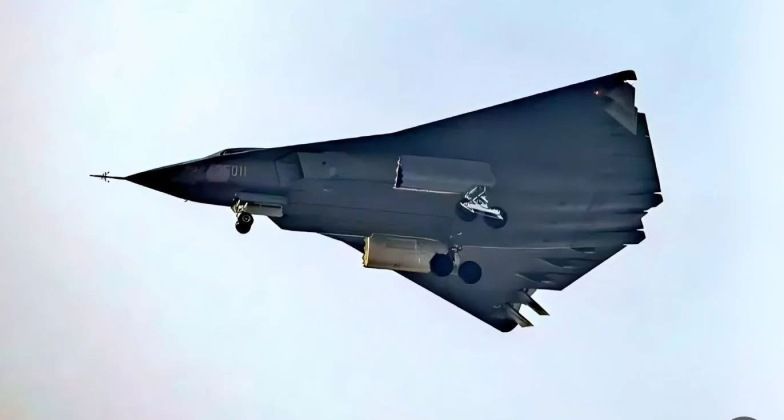
Although potentially highly promising and cost effective, the ability to rely on speed to improve survivability is expected to be limited by the significant advances seen in surface-to-air missile technologies. Russia in particular has led the world in introducing outstandingly fast anti-aircraft missiles into service which can intercept targets at high hypersonic speeds, with the 40N6 surface-to-air missile having a speed of over Mach 14. The missile has been combat tested shooting down surface-to-air missiles from the American Patriot air defence system that travel at Mach 3.5 speeds. The missile has in testing proven capable of intercepting ballistic missiles travelling at Mach 8 speeds, which makes the survivability of a fighter like the SM-39 that relies on a Mach 4 speed for survivability questionable. Nevertheless, it remains highly possible that the new proposed aircraft could rely on a combination of stealth, speed, and advanced electronic warfare capabilities to remain survivable against a wide range of threats.
