
Lebanon Explosion Larger Than a Small Tactical Nuclear Bomb - Or Ten American MOABs
Military Watch Magazine Editorial Staff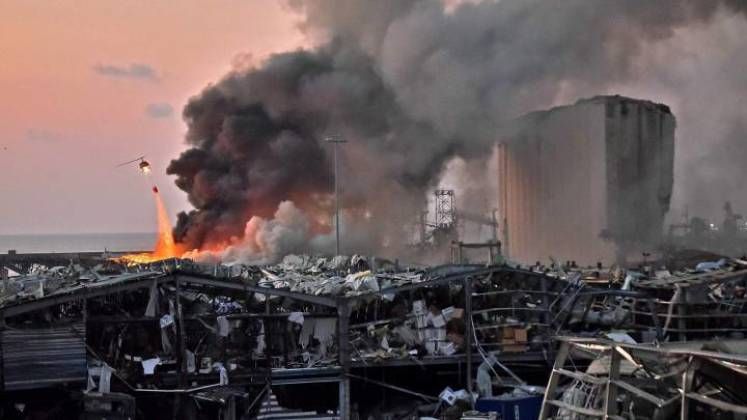
Aftermath of Beirut Bomb Blast
Two large explosions at 18:08 on August 4th in the Lebanese capital Beirut have caused over 4000 casualties in the city, with the cause of the incident as of yet unknown. Speculation regarding the cause of the explosion have been widespread, from Israeli military action to unsafe storage of explosive materials, although both Tel Aviv and the Lebanese militia Hezbollah made statements early on ruling out the possibility that it was some kind of missile attack. General director of Lebanese General Security, Abbas Ibrahim, stated that the main explosion was linked to approximately 2,750 tonnes of ammonium nitrate which had been confiscated and unsafely stored for the past six years by the Lebanese government. The country has seen a number of corruption scandals in recent years, with the government widely accused of economic mismanagement which had contributed to a serious economic crisis in the country.
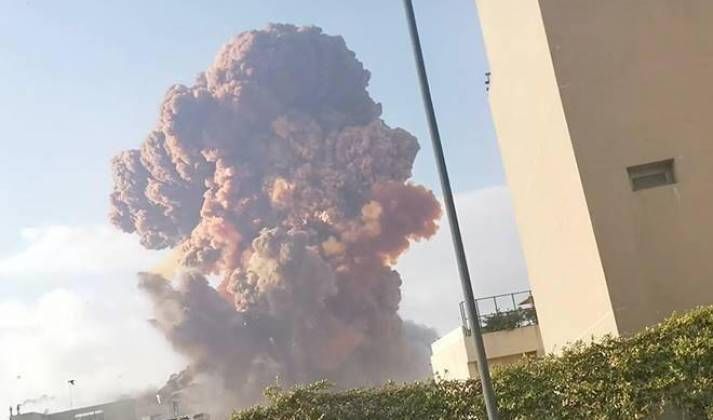
The size of the explosion was one of the largest in a major city in recent history, with the blast measured as a 3.3 magnitude earthquake and estimates for its payload ranging from a few hundred to up to three thousand tonnes of TNT. To put this in perspective, the U.S. military’s ‘Mother of All Bombs’ MOAB, its heaviest conventional bomb, yields approximately 11 tons - making the Lebanese explosion well over ten times as heavy even at the lowest estimates. The lesser known Russian FOAB, the largest conventional bomb in the world, has a similar design to the American MOAB but yields 44 tons - still most likely a small fraction of the size of the Beirut blast. A small tactical nuclear bomb can have a yield of around 190 tons, meaning the Lebanese explosion could well have been much larger. At least 100 people have been killed by the blast, with the death toll expected to rise considerably, and Lebanon's health minister subsequently advised residents to leave due to hazardous materials in the air after the explosion which could have serious long-term health effects. Lebanon has faced growing Western economic pressure in recent months due to both its close security ties with Iran and its position as a major money laundering centre for the government of neighbouring Syria - which is also under harsh Western sanctions. Considerable divisions remain within the country, with the crisis placing large pro-Western and pro-Iranian factions increasingly at odds.
