
KN-02 Toksa Guarding Damascus: How North Korea Provided Syria with Lethal Precision Guided Ballistic Missiles
Military Watch Magazine Editorial Staff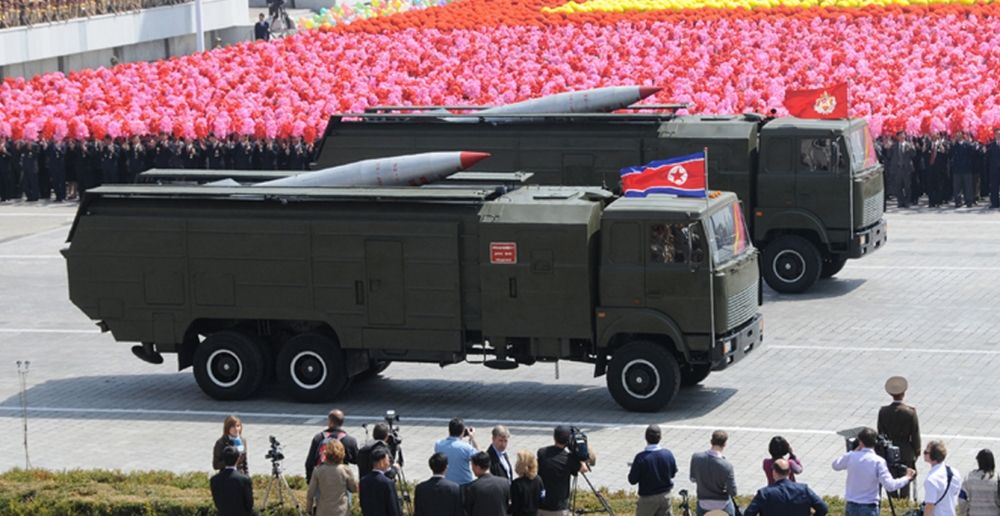
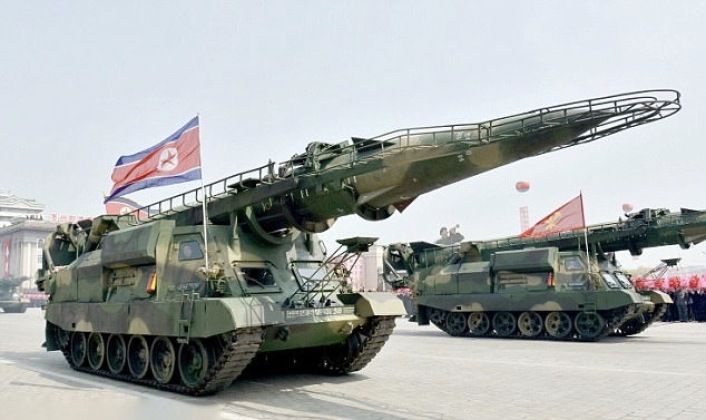
KN-02 Toksa Ballistic Missiles
Defence ties between North Korea and Syria date back to the late 1960s, and the Korean People’s Army (KPA) has furnished Damascus with considerable assistance in all its major conflicts since that time from the dispatch of pilots, instructors and tank crews in the 1973 Yom Kippur War to the provision of Korean-manned artillery units in the Lebanon War and more recently special forces deployments for counterinsurgency in the 2010s. Following the collapse of the Soviet Union Pyongyang emerged as a leading suppler of arms to Syria's armed forces, and provided both upgrades for older weapons systems and a wide range of asymmetric new systems needed to deter a range of adversaries. The KPA has since been responsible for modernising a wide range of Syrian armaments, from equipping its older T-55 tanks with laser rangefinders and new munitions types to improving its air defences. It is the provision of strategic ballistic missiles, however, which has arguably been the most outstanding Korean contribution to Syria’s defence.
North Korea furnished Syria with increasingly sophisticated ballistic missile types throughout the 1960s, from the Hwasong-6 derived from the Soviet Scud to the more advanced Scud-ER and KN-02 platforms. The Scud-ER was reportedly developed in Korea specifically to meet Syria’s defence needs, and has 1000km range meaning it can engage targets over three times as far as the original Scud. The missile was produced in Syria under license, and a number have been seen at military parades in Korea itself. The KN-02, while not providing a longer range than the older Hwasong-6, was fielded by both the KPA and Syria’s own armed forces and provided a unique asset in the Syrian arsenal.
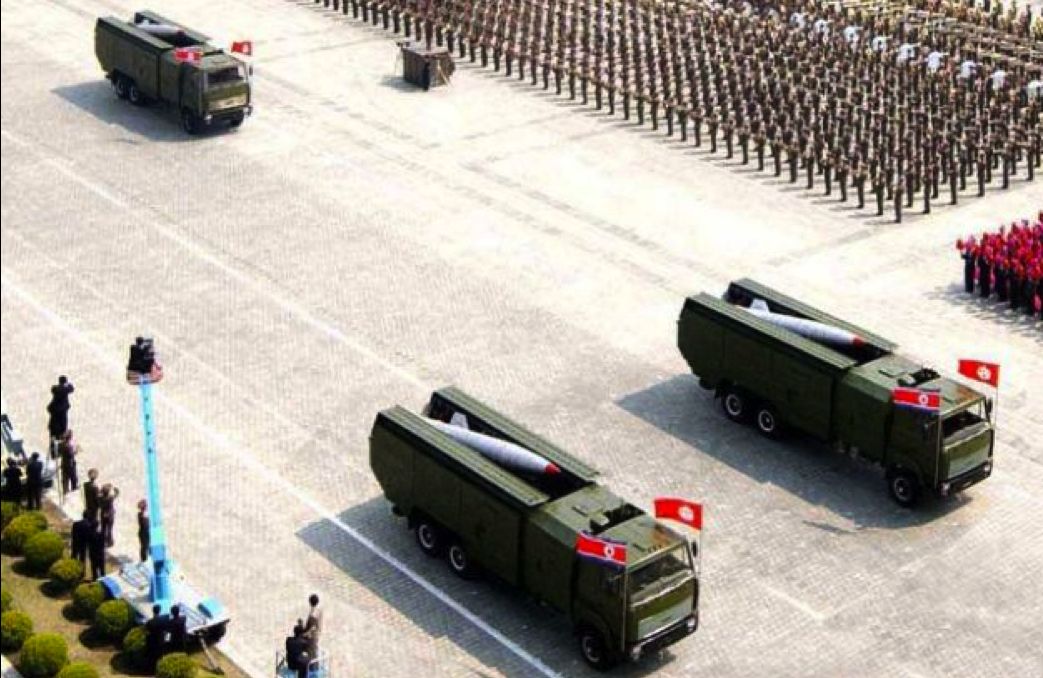
The KN-02 was particularly prized for it’s very short two minute launch time, 16 minute firing cycle and 20 minute reload time, allowing a system to fire at over three times the rate of the Hwasong-6. This also allows the system to remain more mobile which is key to remaining survivable against possible Israeli, U.S. or Turkish air attacks. The missile also makes use of an advanced GPS guidance system, providing higher precision than other classes of missile. The KN-02 was one of the very first solid fuelled ballistic missiles deployed to the Middle East, although the design has since been superseded by newer Korean platforms such as the KN-23 and KN-25. The missile is thought to have demonstrated its precision targeting capabilities in Syria in March 2021 when it was used to neutralise an oil facility operated by jihadist insurgents who were operating under Turkish protection in northern Syria to send oil to Turkey. Considering the ongoing Korean support for Syria’s defence sector and war effort, which alongside troop deployments and arms sales has included the building and staffing of multiple hospitals, it is likely that the country could provide its Middle Eastern ally with more capable classes of ballistic missile in future.
