
Japanese F-15 Fighters Engage Chinese Y-9 Advanced Recon Aircraft Near Okinawa
Military Watch Magazine Editorial Staff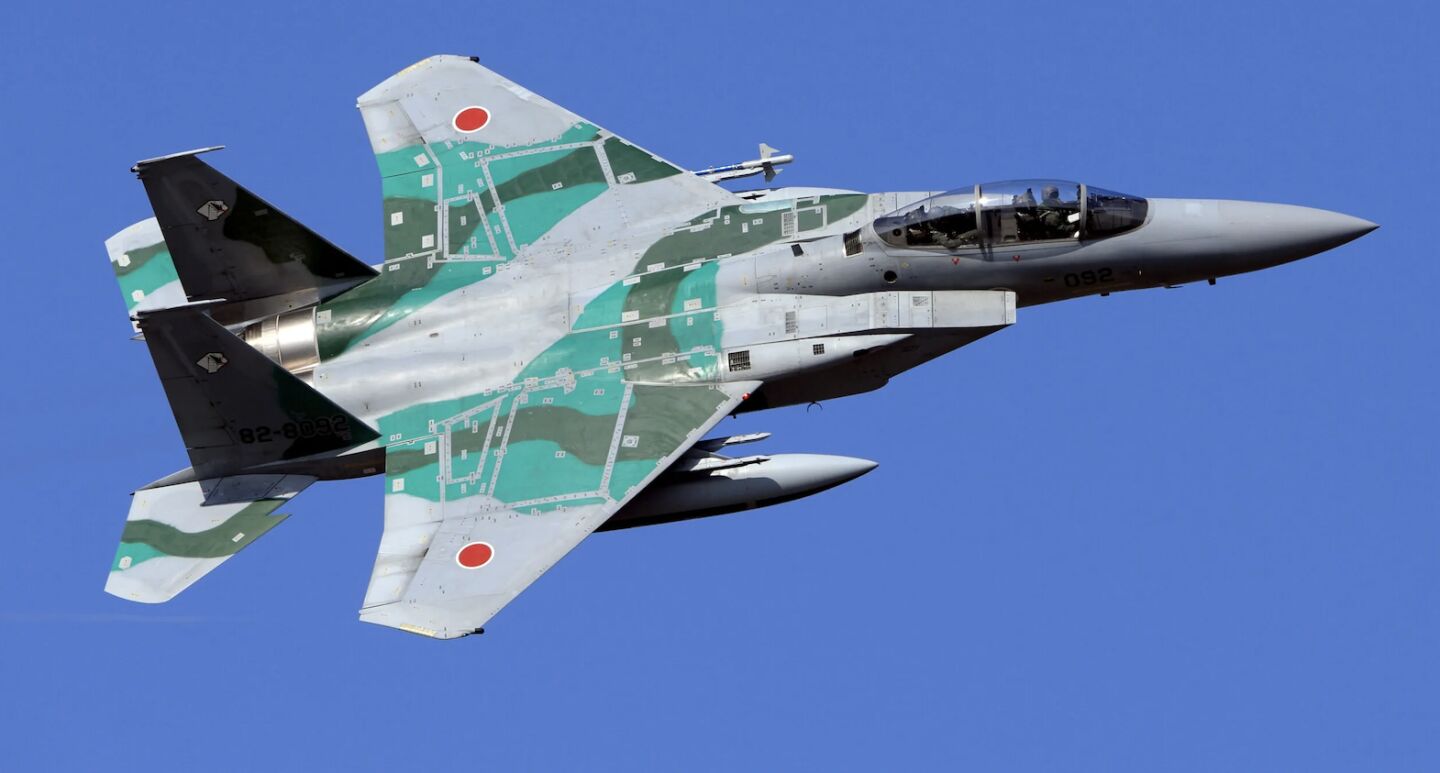
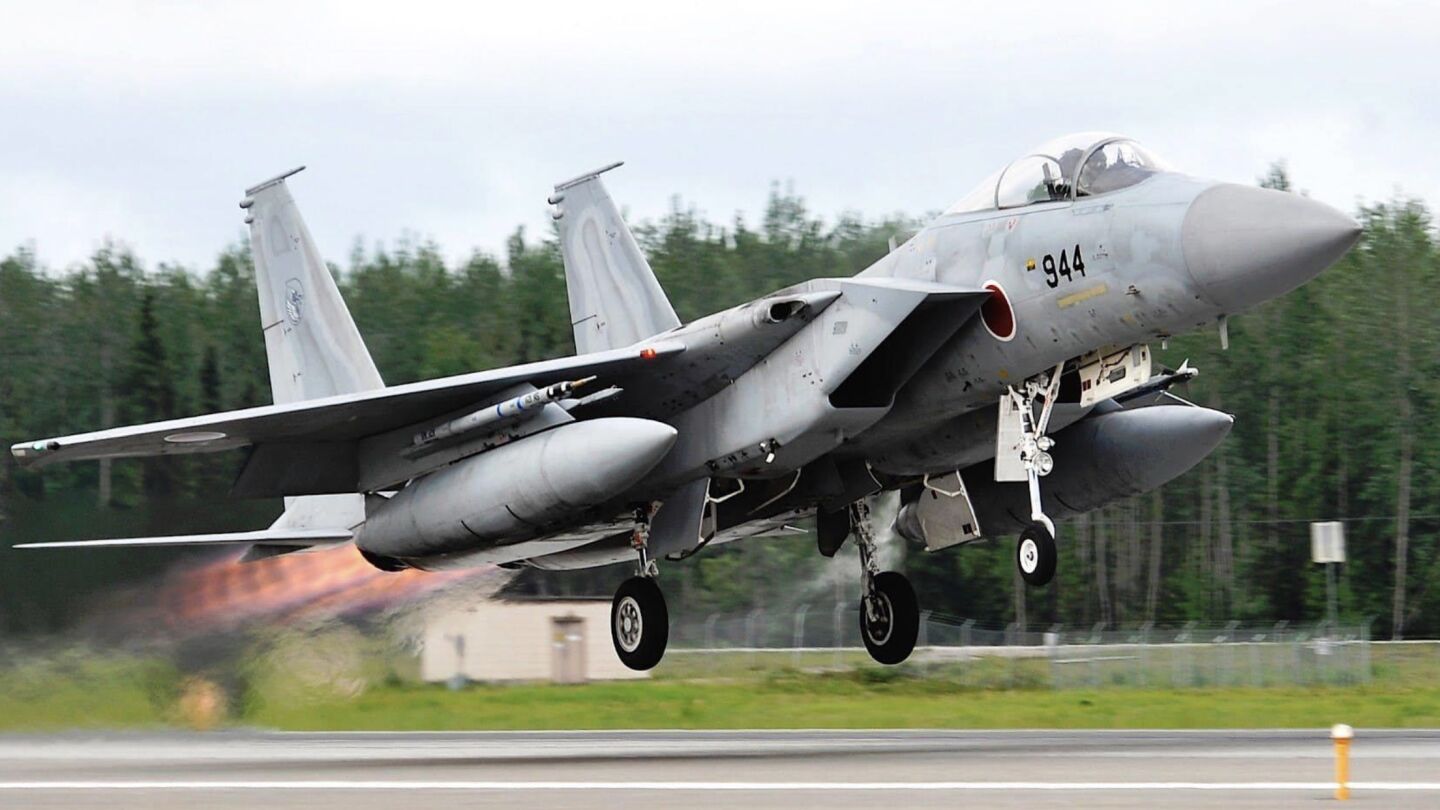
The Japan Air Self-Defense Force scrambled F-15 fighter aircraft to intercept a Chinese Y-9 reconnaissance aircraft conducting a flight through the East China Sea. The engagement occurred near Okinawa and the Taiwan Strait. The incident occurred as Chinese surveillance and combat aircraft have operated with increasing frequency around the Nansei island chain, possibly in response to the rapid expansion of the hostile Western military presence in Japan. The published Japanese flight track indicates that the Chinese aircraft remained over international waters throughout the reported flight.
Specialised Y-9 variants have been developed for a range of missions including signals intelligence, electronic intelligence and imagery collection. Such aircraft can gather information on radar emissions, communications and other electronic activity, making their operations valuable for building an understanding of an opponent’s air-defence network and military deployments. Its operation also illustrates the increasingly sophisticated nature of Chinese activity around Japan, as the People’s Liberation Army increasingly deploys specialised intelligence, surveillance and reconnaissance aircraft capable of collecting information while operating outside Japanese territorial airspace. These missions can support future operations by mapping Japanese radar coverage, monitoring communications and identifying patterns in the deployment of Japanese aircraft.
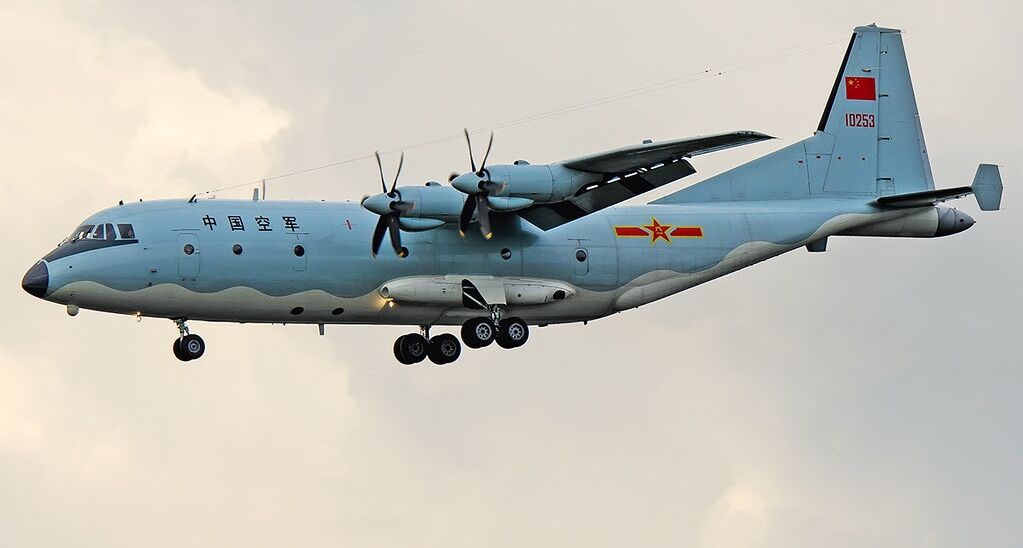
The Y-9’s presence provides China with an important capability that fighters and bombers alone cannot provide. Its specialised intelligence capabilities allow it to systematically gather information about the opposing force. Flying repeated missions along similar routes allows Chinese operators to become familiar with Japanese radar coverage, fighter reaction patterns and the locations of military installations. The aircraft can also contribute to electronic order-of-battle collection. Modern air forces depend heavily on radars, datalinks, communications systems and electronic warfare equipment. Identifying the characteristics and operating patterns of these systems can provide valuable information for planning future operations, particularly during a major regional contingency.
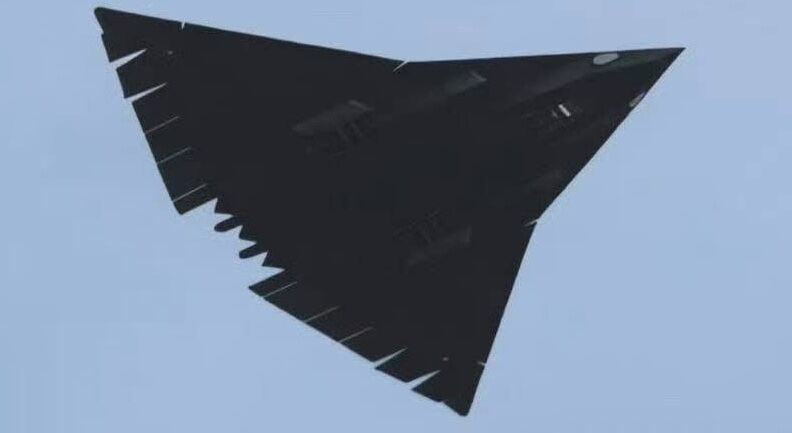
Fighters operated by the Japan Air Self-Defense Force are maintained at bases around the country and can be rapidly launched when unidentified or foreign military aircraft are detected approaching Japanese airspace. The Southwestern Air Defense Force has become particularly important as Chinese activity around Okinawa has increased. The scale of this mission is reflected in Japan’s overall scramble statistics. During fiscal year 2025, the Air Self-Defense Force conducted 595 scrambles, of which 366 were attributed to Chinese aircraft, compared with 214 involving Russian aircraft. The Southwestern Air Defense Force alone accounted for 348 scrambles, more than half the national total. The F-15s that form the large majority of Japanese fighter units, however, have long since been considered obsolete, with the air power disparity between the two East Asian states rapidly growing in China’s favour.
