
Israel and Hezbollah Exchange Heavy Fire Across Border - Does Either Party Seek Escalation?
Military Watch Magazine Editorial Staff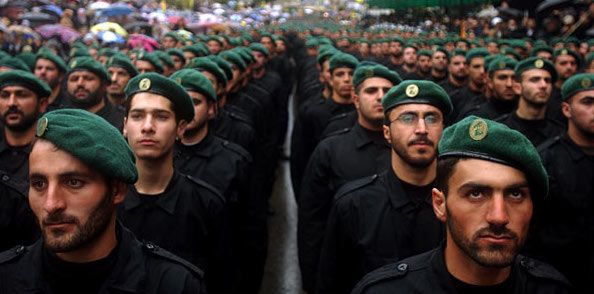
Hezbollah Militiamen
Israeli forces have exchanged fire with the Lebanese militia Hezbollah following rising tensions between the two powers, with conflict threatening to escalate into another major war between the two longstanding adversaries. Lebanese media reported early on September 1st that Israeli aircraft had dropped incendiary bombs on a grove near the border, followed by artillery strikes on hills in the Kfarchouba area. These followed reports that Israel’s armed forces fired over two dozen flare bombs near the Kfarchouba area. While these reports have not been verified, they would explain the subsequent attack by Hezbollah on Israeli positions - with a military base struck and an armoured vehicle destroyed by an anti-tank missile. Israel previously struck targets in Lebanon in late August, and has carried out multiple airstrikes on Hezbollah positions in Syria over the past year. Israel’s armed forces responded to the attack on its military base by firing over 100 artillery shells and with some helicopter fire.
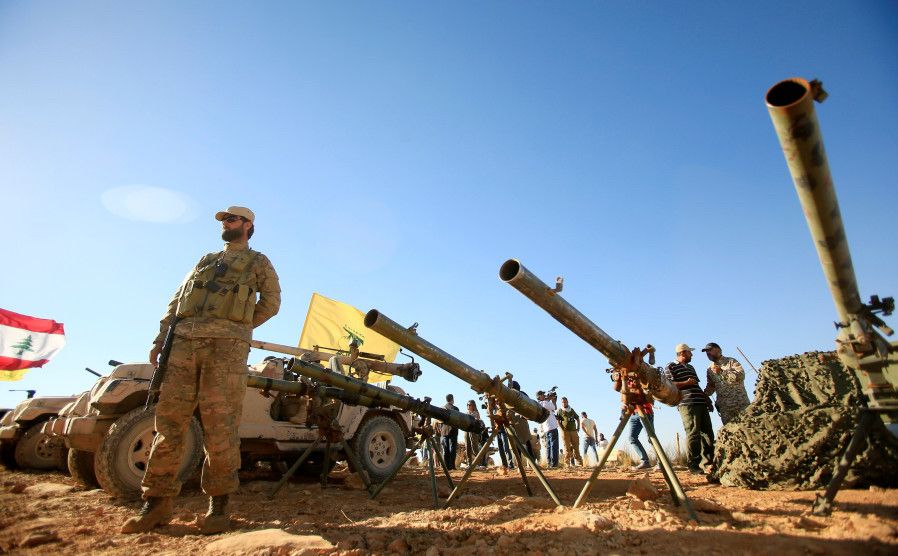
Israel and Hezbollah previously fought a major war in 2006, which is considered the only military defeat the former has faced in its seventy year history. The militia has since been engaged in an extensive campaign against Western and Arab backed Islamist groups in Syria and Iraq, and Israeli analysts have noted with much apprehension that Hezbollah’s capabilities have grown considerably as a result of experience gained fighting groups such as the Islamic State and Al Nusra Front among others. Hezbollah is though to have seriously expanded its arsenal of rocket artillery and acquired a number of new weapons systems including North Korean Hwasong-6 ballistic missiles and Bulsae-3 anti tank missiles - the latter which has reportedly replaced the Russian Kornet as its primary anti-armour system. With both sides heavily armed and expected to fight in close proximity, it is expected that neither will seek significant escalation due to the mutual vulnerability that exists between them.
