
Israel Perceives Major Hezbollah Threat in Syrian Golan Heights; Missile Factories and Troop Presence Target Tel Aviv
Military Watch Magazine Editorial Staff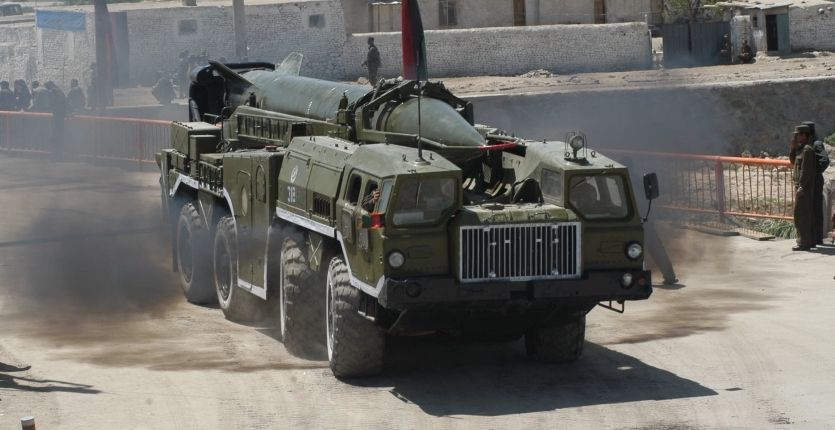
Hwasong-6 Ballistic Missile
The growth of the Iranian aligned Hezbollah militia’s military prowess, and in particular its foothold in Syria since the mid-2010s following its invitation by Damascus to conduct counterterrorism operations alongside the Syrian military, has emerged as a leading concern in for Israel. Hezbollah remains the only military force which has defeated the Israeli Defence Force in battle in its seventy year history, and its growing arsenal has led it to be perceived as a leading threat. Recent reports in Israeli media state that the militia is constructing ballistic missile factories and military facilities in Syria, including in the Golan Heights in close proximity to Israeli territory. According to the Israeli Directorate of Military Intelligence, Hezbollah is secretly creating a special organisation in the region with the specific intention of fighting Israel - which is headed by one of the militia’s most experienced commanders. "We are now discovering details of the terrorist project, which is not known even to the (Syrian) president Assad… It is a new unit created with the sole purpose of opening a new front against Israel.” Commander Ali Musa Daqduq was reportedly heading the militia’s offshoot, and was dispatched to the region with the intention of establishing a strong presence there.
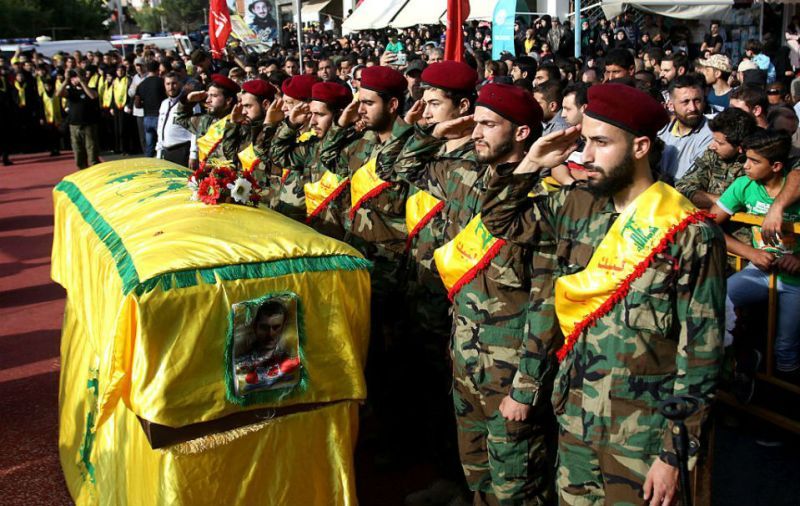
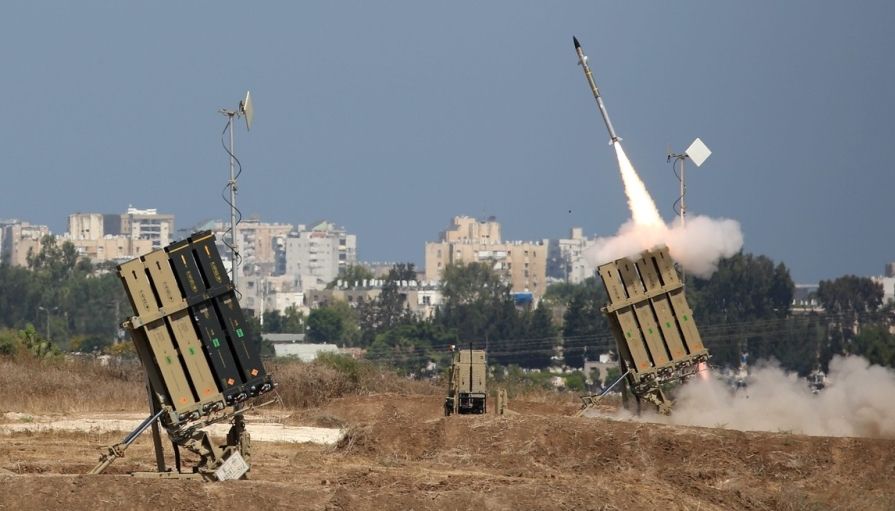
The Israeli report stressed that Hezbollah was not interested in immediately initiating conflict, and it was as of yet uncertain whether Iran was directly supporting this development. Iran for its part has not deployed its own forces to the Golan Heights. The deployment of ballistic missiles and rocket artillery to the Golan Heights could allow Hezbollah to strike Israeli targets at shorter ranges, and the ability to strike from a second direction would place further pressure on the country’s air defence network. The militia’s leadership has recently disparaged these defences, citing the American deployment of the THAAD anti missile system to Israeli territory as evidence that Tel Aviv lacked faith in its own air defences. Alongside the entrenchment of Hezbollah in the Golan Heights, Israel has also cited the militia’s investments in developing missile production facilities in Western Syria specifically to arm its forces to strike Israeli targets. The munitions under development were designed with precision guidance, and Tel Aviv has previously cited Hezbollah’s acquisition of such missiles as particularly threatening to its security.
Israeli satellite intelligence firm ImageSat International has previously released satellite images what it claimed to be Hezbollah’s missile factories on Syrian territory near the Lebanese border, and an analysis of the construction patterns, the compound location and the activity at the site were cited as evidence of "the probability that this is a missiles manufacturing site." No missiles or launchers were identified within the compound however, which has led some sources to question these claims. In the past, North Korea emerged as a prime supplier of advanced munitions to the Lebanese militia - with its leader Hassan Nasrallah and many of its high level commanders having trained extensively in the country. North Korean specialists were also reportedly responsible for constructing the tunnel network in Southern Lebanon, which were a decisive asset that undermined the Israeli war effort in its brief conflict with Hezbollah in 2006. North Korean rocket artillery, missile and tunnelling technologies are likely to play a key role any attempts by Hezbollah to establish a stronghold in Syria, providing key survivability and durable strike capabilities which are key to waging an asymmetric war in such close proximity to a well armed state actor with control of the skies. Ultimately Hezbollah’s successes in Syria are likely to significantly strengthen its position, though whether the Syrian government will continue to turn a blind eye to this once its operations against the Islamic State, Al Qaeda and other terrorist insurgent ground are complete, remains to be seen.
