
Iranian Revolutionary Guard Corps Claims American ‘Brain Injuries’ from Missile Strike Actually Refer to Death Toll
Military Watch Magazine Editorial Staff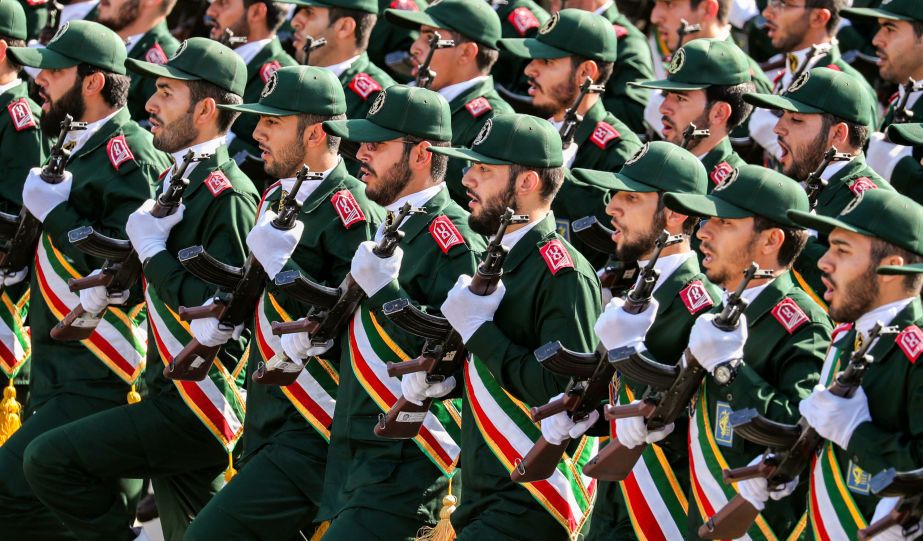
Iranian Revolutionary Guard Corps Personnel on Parade
Following an Iranian missile strike carried out against U.S. military facilities in Iraq on January 8th, in response to the assassination of Iranian Quds Force Commander Qasem Soleimani in Iraq five days prior, the U.S. Defence Department has reported a steadily growing number of its personnel have suffered from brain injuries. U.S. reports indicate that no American personnel were killed in the missile strike, although Iran has disputed this claim from the outset - with the destruction to the facilities having been considerable and Iraqi sources initially reporting considerable casualties. The latest figure for the number of injured personnel was 64 - where initially the estimate was under 35.
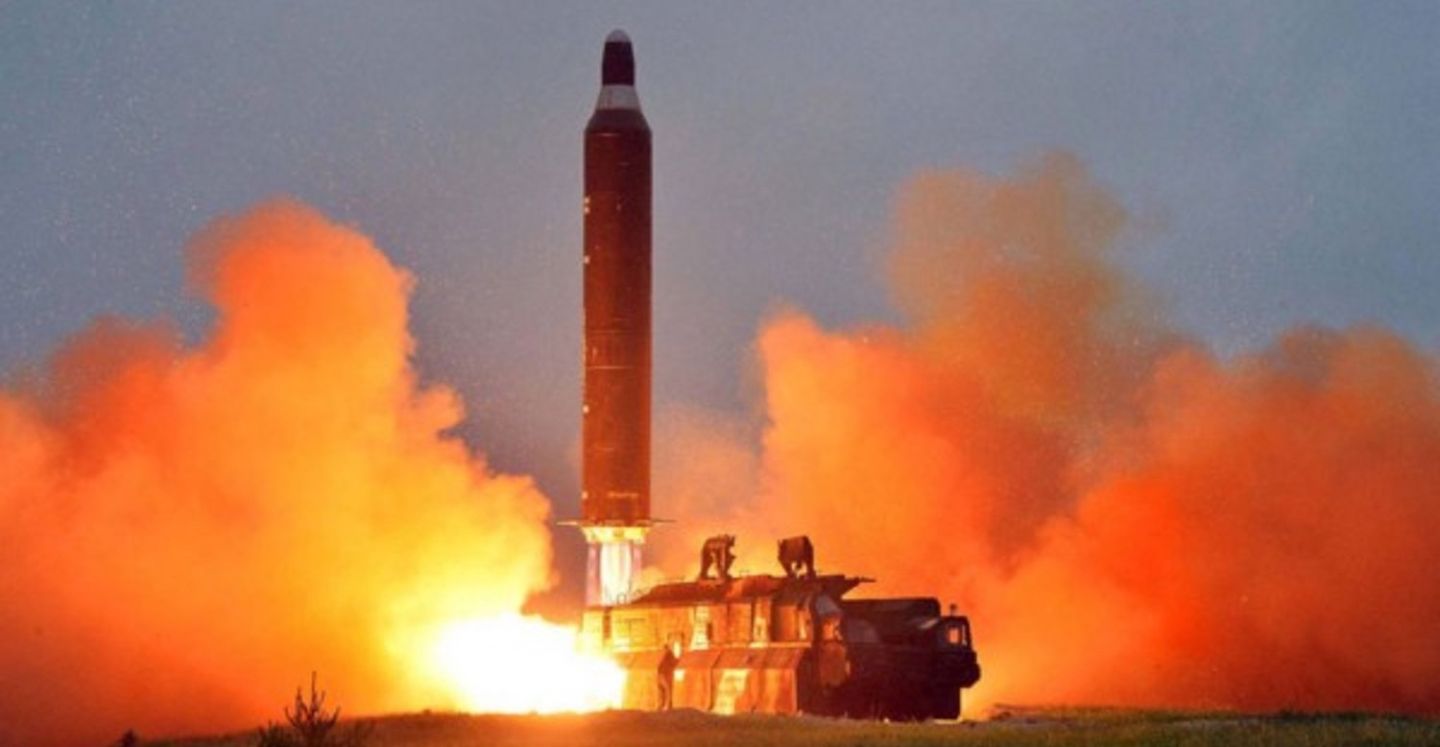
Amid considerable speculation regarding the true extent of the damage, the Revolutionary Guards Corps has claimed that reports of “brain injuries” suffered by American personnel are likely to have actually stood for fatalities. Brigadier General Ramezan Sharif stated to this effect: “We conclude that what the United States announces to be related to brain injuries from the attack on Ayn al-Asad to be a metaphor for dead US troops,” noting that reports of such injuries “reflects the number of dead, which they hesitate to formally announce.” The general highlighted the unusual nature of the terminology used - with reports usually referring to injuries or casualties rather than brain injuries specifically. He further noted that the number of injuries usually outnumbered the number killed in such an attack by three to four times. Regarding the possibility of future revelations regarding the numbers killed, the General speculated: “Surely as we approach the US presidential election, more numbers and names related to the dead will be leaked along with the competition among the parties.” Ultimately while the U.S. has an incentive to play down the seriousness of the casualties suffered, and underreporting of these may have helped to avoid further unwanted escalation with Iran and demands for further military action, Tehran also has much to gain by promoting speculation of higher casualty numbers and a more effective missile attack.
