
Iran in the Crosshairs: U.S. to Keep Two Supercarriers in the Gulf After Strikes on Tehran Backed Militias in Iraq
Military Watch Magazine Editorial Staff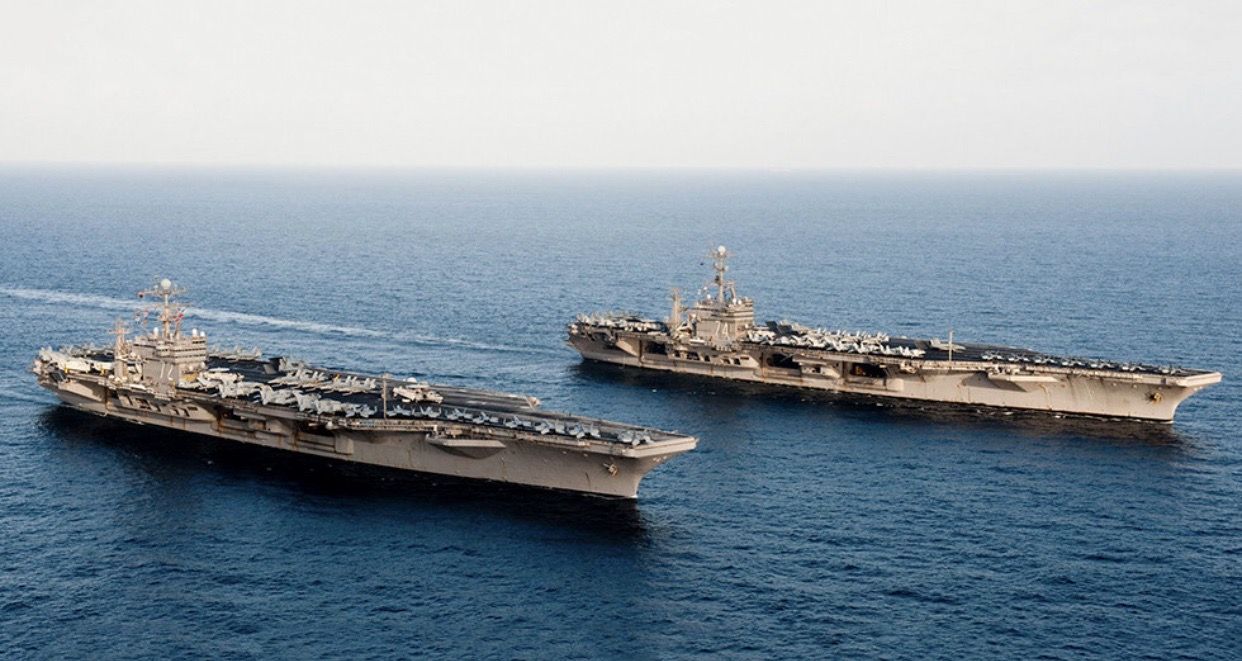
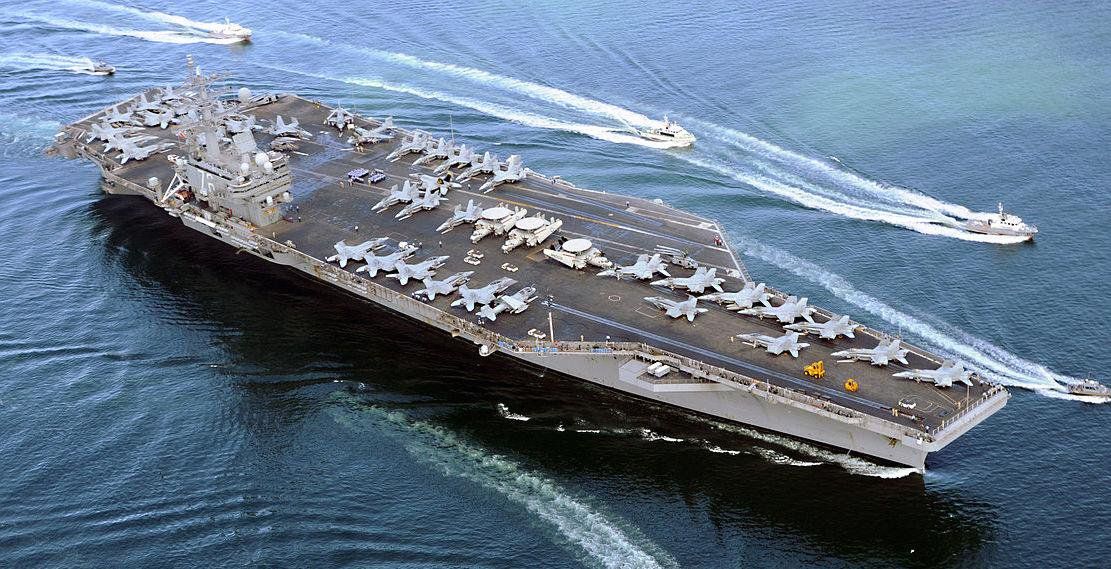
U.S. Navy Nimitz Class Supercarriers
Following U.S. airstrikes on Iraqi Ketaeb Hezbollah militias and harsh criticisms from the government in Baghdad, the Pentagon announced that it would maintain two full carrier strike groups in the Persian Gulf region to ensure sufficient firepower was available to handle future threats. U.S. Central Command chef General Kenneth McKenzie announced on March 13th that the carriers would remain for a sustained period. He stated regarding the deployment of the Nimitz Class supercarriers USS Harry S. Truman and USS Dwight D Eisenhower and their escorts: “we have the flexibility, the capability and the will to respond to any threat. There are no access, basing and oversight issues associated with an aircraft carrier. It’s a floating piece of American sovereignty.”
Ketaeb Hezbollah has no known ties to the better known Lebanese militia Hezbollah, but is thought to be responsible for strikes on American targets in Iraq. Strikes by the Iraqi militia were carried out on March 11th and saw two American and one British servicemen killed. The exchange of fire comes amid growing tensions in Iraq following the U.S. assassination of Iranian Quds Force Commander Qasem Soleimani near Baghdad International airport, and a subsequent vote by the Iraqi parliament in favour of evicting American forces from Iraq. Regarding Ketaeb Hezbollah, General McKenzie stated that following the assassination of General Soleimani: “it’s harder for them to make effective decisions… somehow has replaced him. I don’t think that someone is going to be as good as him in the short term. We’ll see how it works out in the long term.”
