
Iran Continues Accelerated Ballistic Missile Production Deep Underground Despite U.S. Strikes
Military Watch Magazine Editorial Staff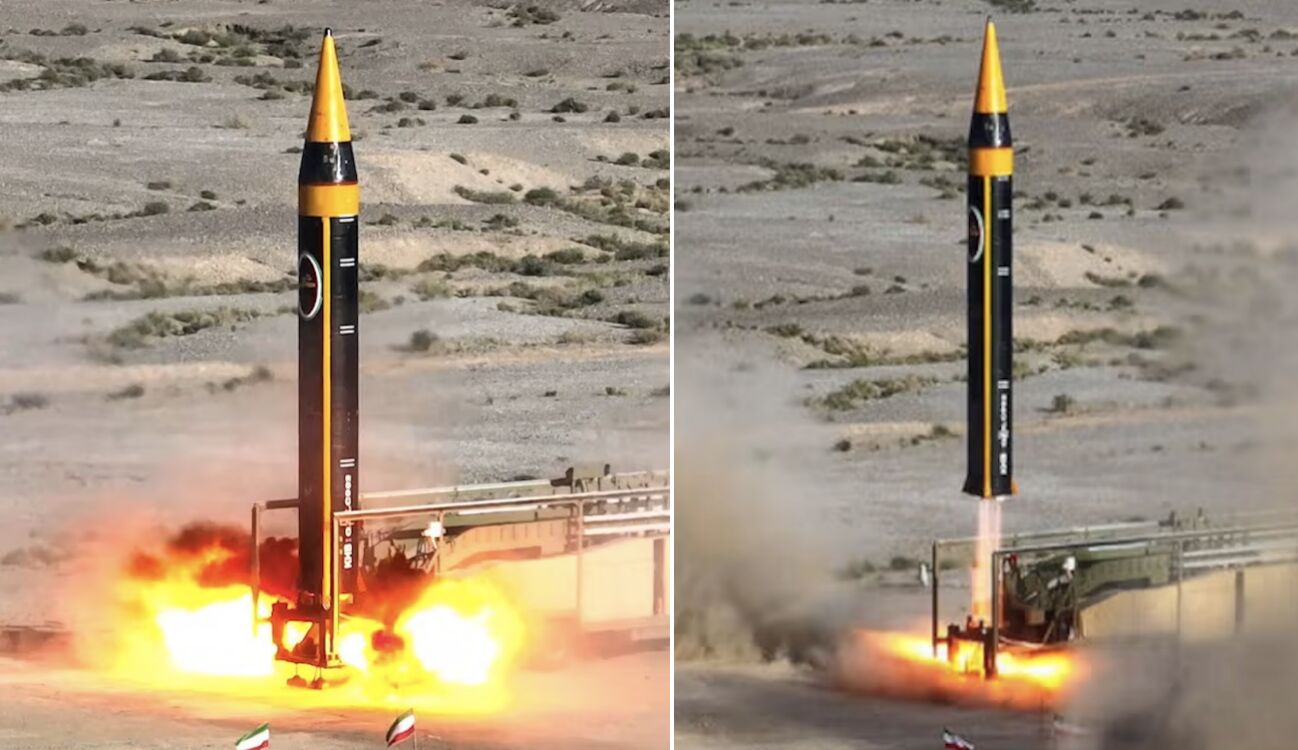
Iranian Kheibar Heavyweight Ballistic Missile Launch
Iranian Armed Forces Chief of Staff Major General Ali Abdollahi has provided new insight into the state of the country’s ballistic missile industry, visiting an underground facility involved in production as part of an apparent effort to send a direct message to adversaries. This appears to respond to Western claims that Iranian missile production has been degraded, particularly in the field of solid-fuel ballistic missiles. The existence of underground production and storage facilities has long been an important feature of Iran’s missile infrastructure, allowing it to protect critical equipment and munitions from air strikes.
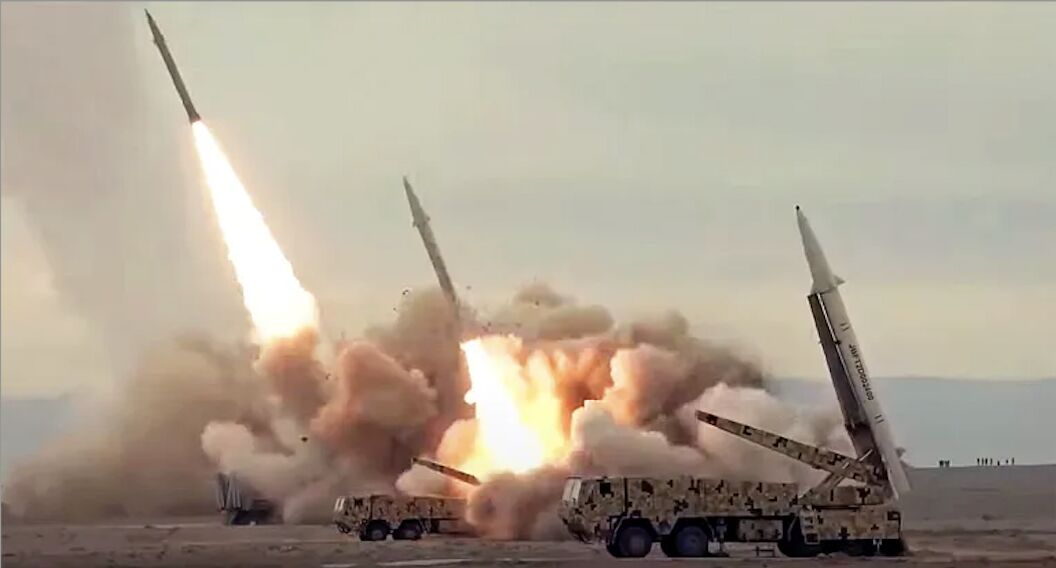
Iranian officials and military-linked sources have repeatedly emphasised that attacks against visible facilities do not provide a complete picture of the country’s remaining missile infrastructure, as much of Iran’s ballistic missile program is deliberately distributed and concealed underground. This makes assessments based solely on satellite imagery or damage to known above-ground facilities inherently difficult. Iran has since the 1990s relied on extensive North Korean assistance to fortify facilities deep underground, including not only storage sites, but also full production lines and even a number of nuclear sites.
According to Iranian military sources, sufficient quantities of pre-war missile stocks remain in storage to sustain operations for years. Iran possesses thousands of ballistic missiles across different types, with estimates suggesting the country’s inventory has been reduced to only a small residual stock should therefore be treated cautiously. As the actual size of Iran’s remaining missile inventory is one of the most difficult aspects of the country’s military capability to assess, these reports provide important insight.
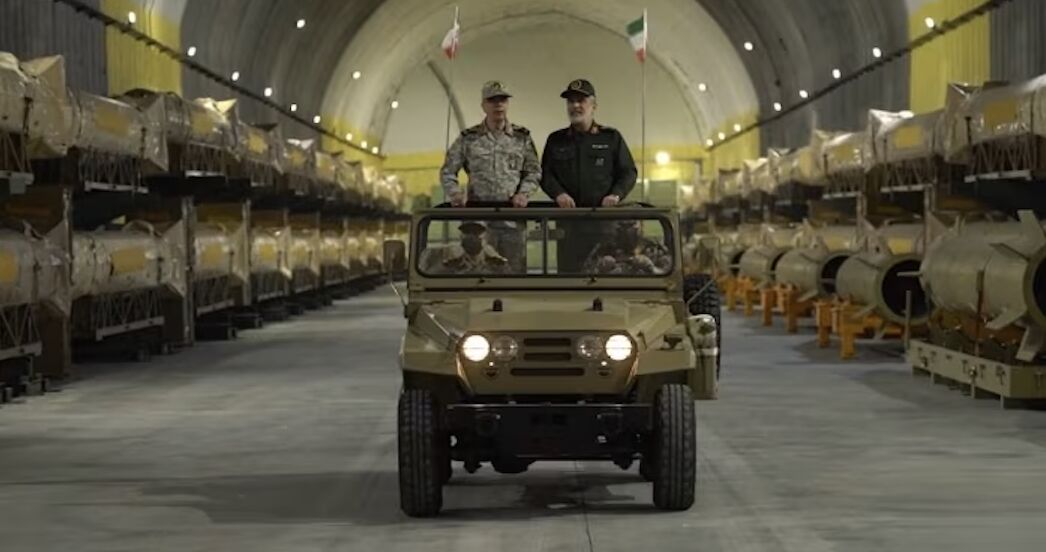
The extent of Iran’s investments over decades in building up its arsenal and its broader related infrastructure makes its ability to sustain its advanced missile capabilities far from surprising. The underground production infrastructure is arguably just as important as the missiles already in storage, as if Iran has retained sufficient manufacturing capacity, destroying individual launchers or missile stocks becomes much less decisive because the country can gradually replace losses. Iranian sources also claim that missile production has increased significantly since the conflict began, while successive upgrades are being introduced to improve accuracy and overall performance.
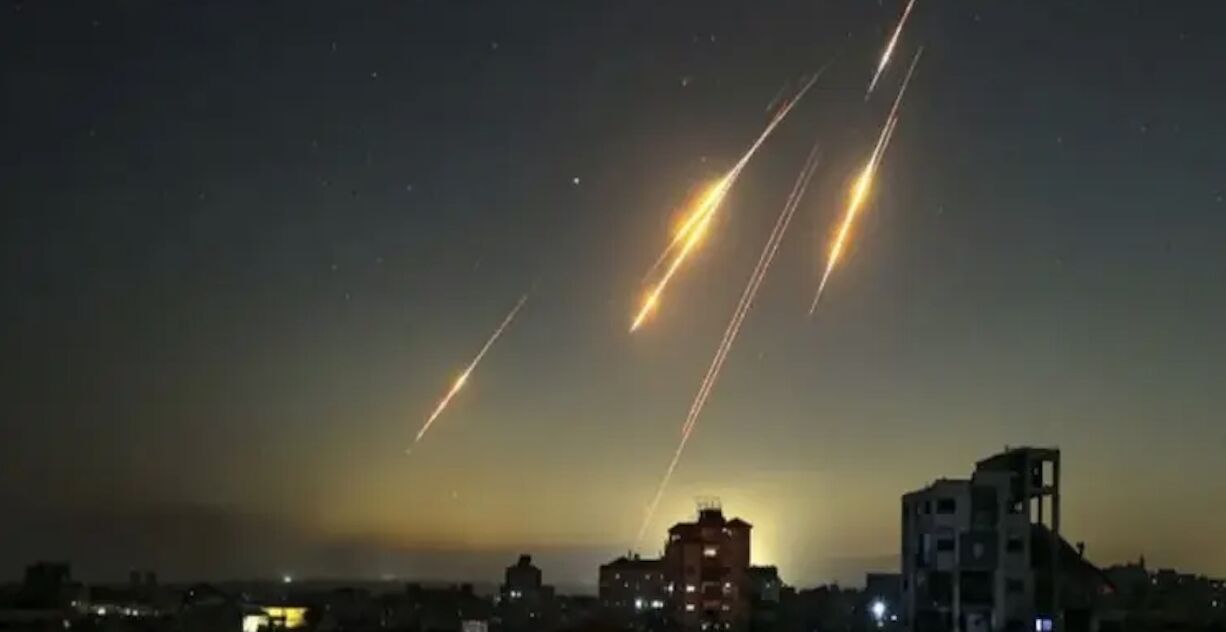
Iranian sources have noted that the country’s military-industrial position is not without serious problems, with one of the most significant constraints reportedly being manpower. Iran is experiencing shortages of trained ballistic missile operators, with recruitment reportedly already underway to replenish the personnel required to operate its missile forces. Operating sophisticated ballistic missile systems requires considerably more than simply possessing launch vehicles and missiles. Personnel must be trained in launch procedures, targeting, maintenance, communications, navigation and coordination with Iran’s wider command-and-control network.
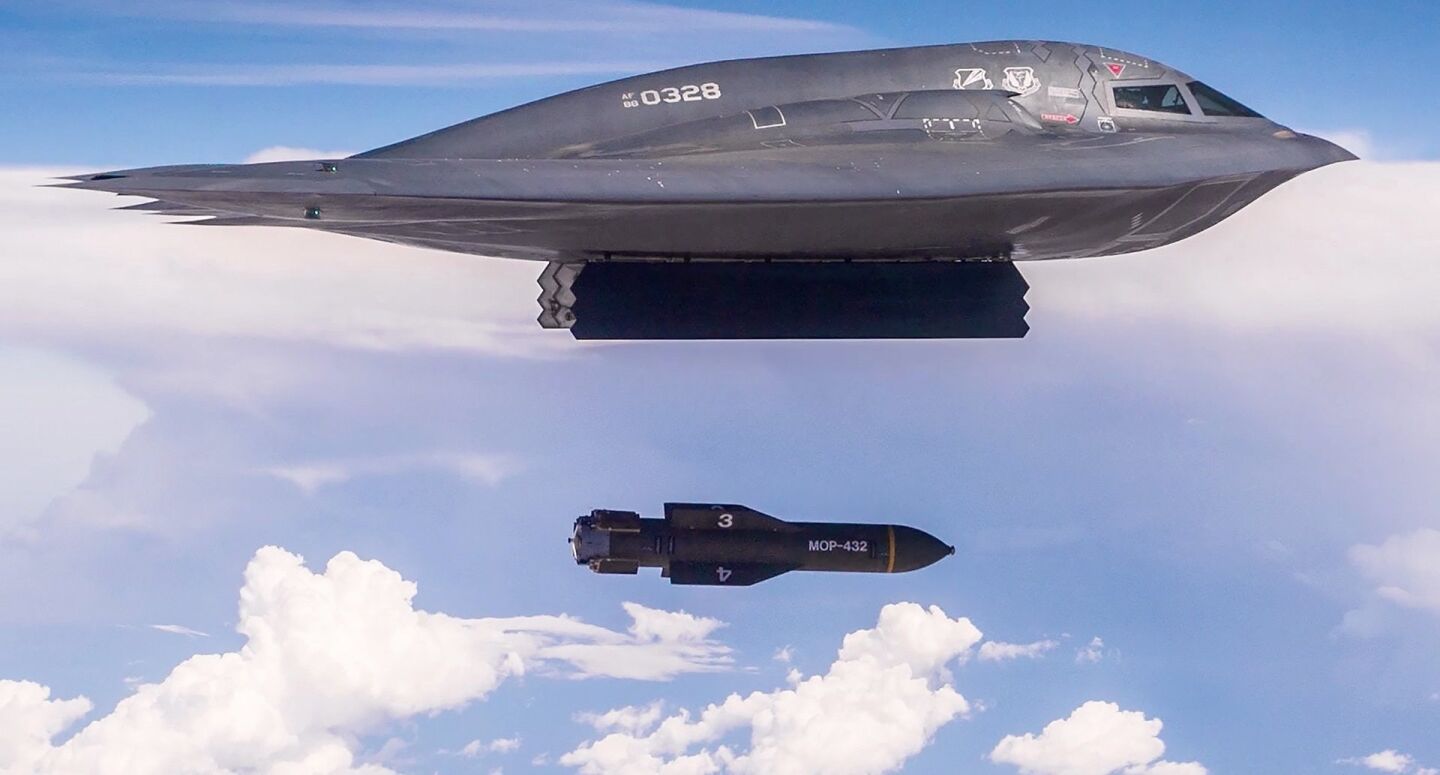
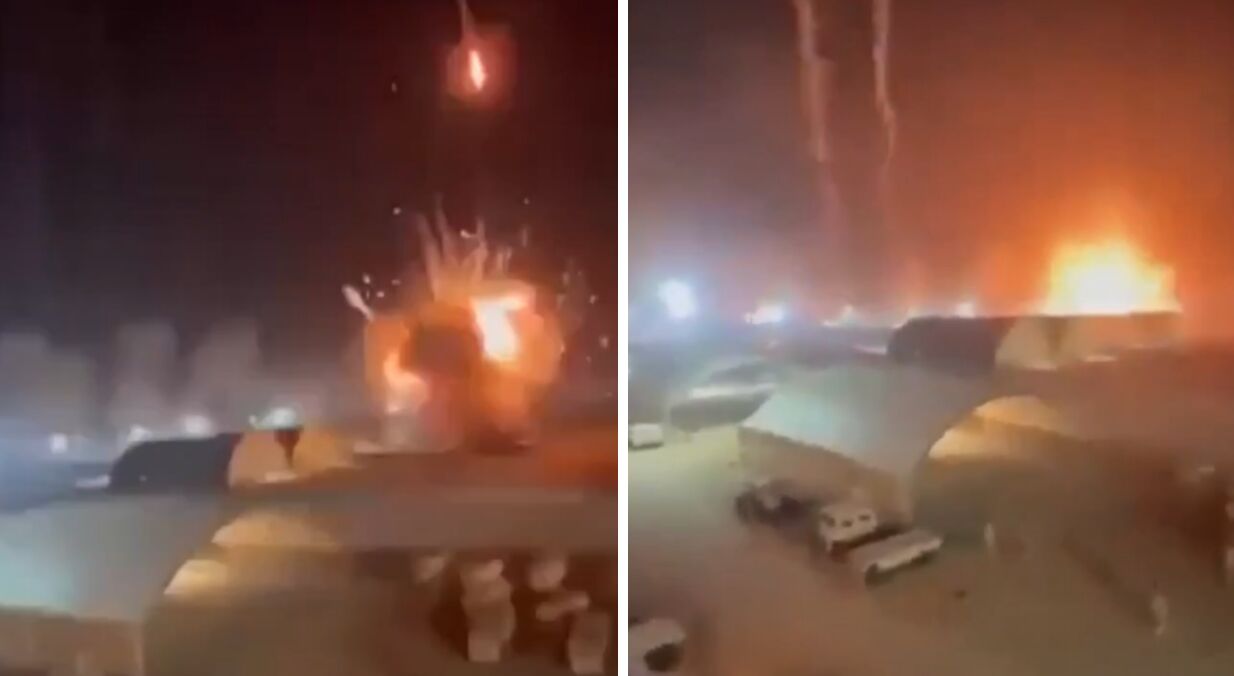
The Iranian leadership’s decision to publicly showcase an underground missile-production facility therefore appears designed to address several narratives simultaneously. It demonstrates that production infrastructure survives, emphasises the country’s ability to continue manufacturing solid-fuel missiles and seeks to reassure both domestic and foreign audiences that attacks against known facilities have not eliminated Iran’s strategic strike capability. Iranian missile attacks have demonstrated a very high success rate, and even against targets in Israel, where air defences are most heavily concentrated, Israeli media in late March confirmed an 80 percent success rate.
