
India Working to Acquire Japanese Destroyer Technologies for New Project 18 Ships
Military Watch Magazine Editorial Staff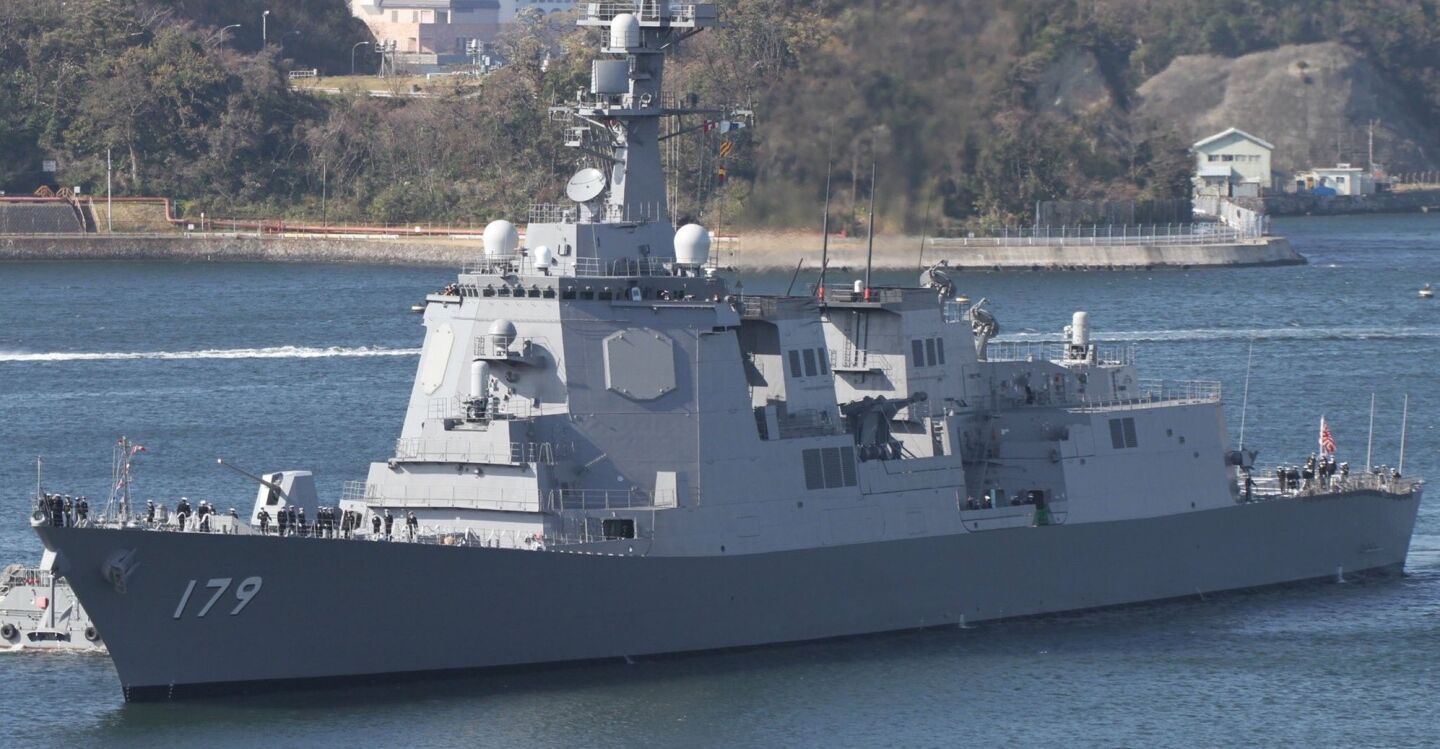
Japanese Maya Class Destroyer
Multiple Indian sources have reported that the country’s defence ministry is looking to procure technologies from Japan’s Maya class destroyer program as it develops its next-generation Project 18 destroyer. Project 18 is being conceived as a major step beyond the 7,400 ton Visakhapatnam class destroyers, potentially moving India into the same broad category as larger and more capable ships fielded in Northeast Asia. There has reportedly been a particular focus on learning from Japanese programs in areas including integrated air defence, sensor fusion, ballistic missile defence and network-centric warfare.
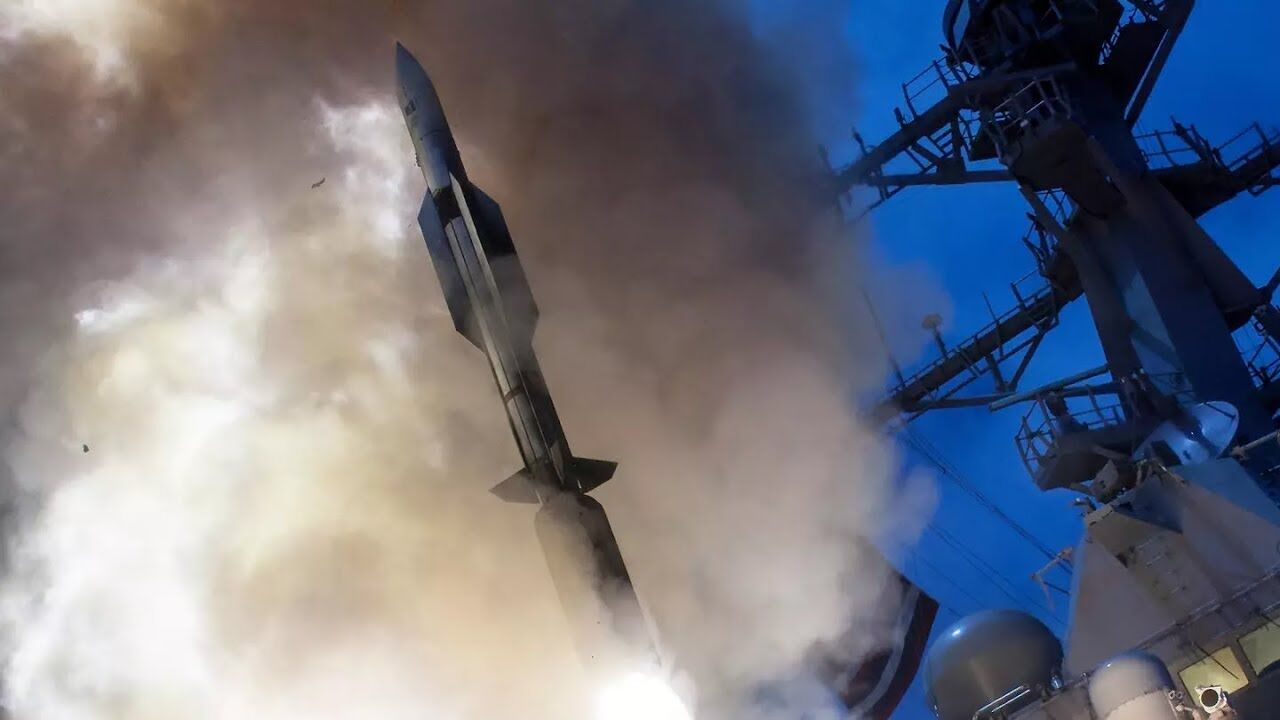
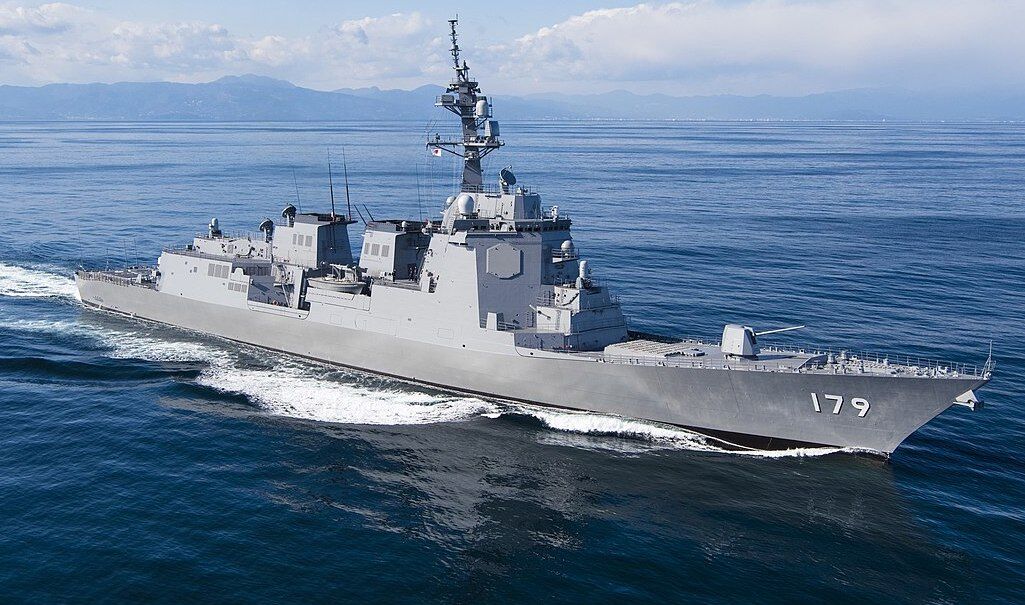
The Maya class combines a large hull with the U.S. AEGIS combat system and sophisticated missile armament. The two ships, JS Maya and JS Haguro, displace approximately 10,250 tons, giving them substantially more internal volume than most conventional destroyers. Their primary role is fleet air defence, although they are expected to integrate land attack cruise missiles in future. Each Maya class destroyer integrates 96 vertical launch cells accommodating SM-3 and SM-6 anti-missile interceptors as its primary armament.
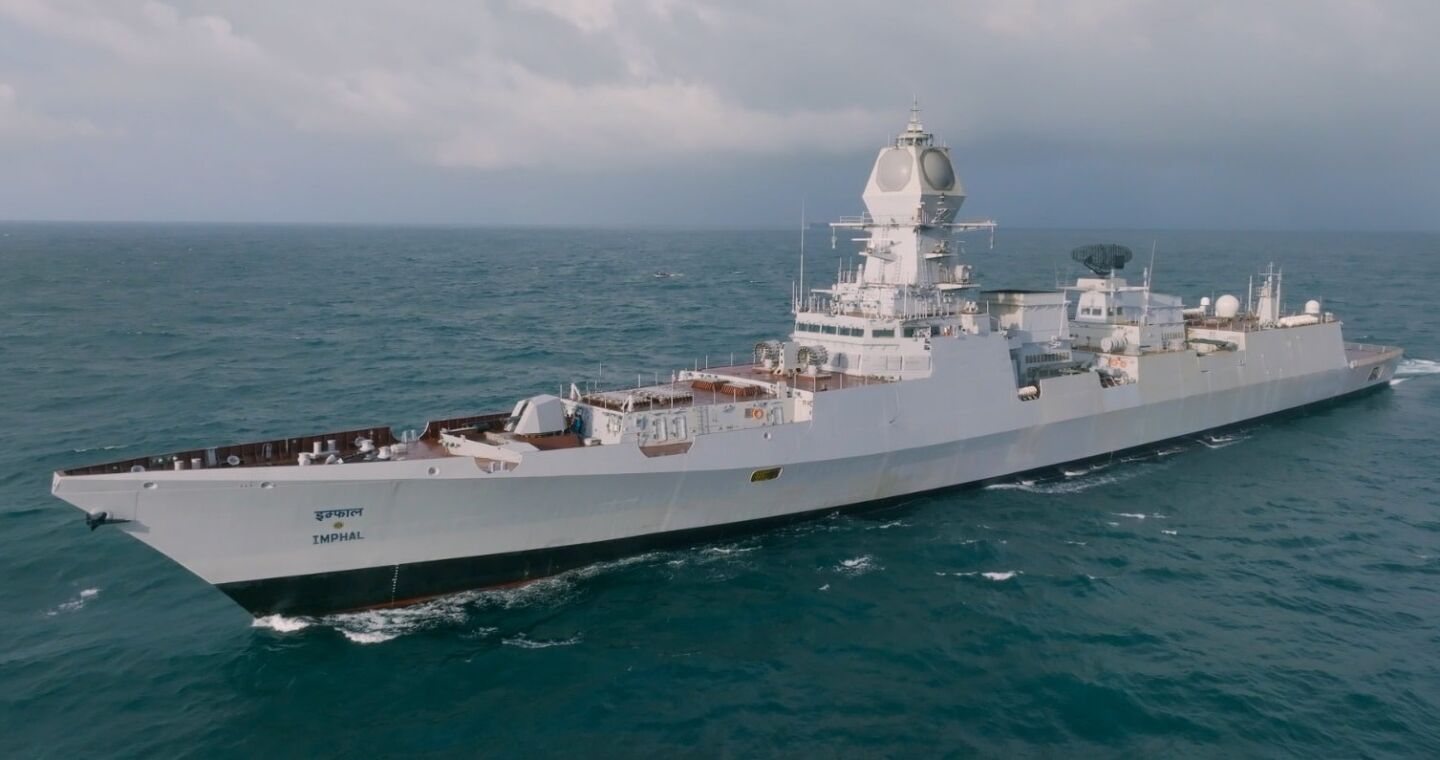
India’s Project 18 destroyers are expected to displace 11,000–13,000 tons, making them substantially larger than India’s existing combat ships. The additional displacement would provide greater room for radar equipment, electrical generation, missiles, aviation facilities and future upgrades. India’s current Visakhapatnam class destroyers integrate 32 cells for the Barak-8/LR-SAM family and 16 BrahMos launch positions, giving them considerable air-defence and anti-ship capability, with the Soviet-origin BrahMos having superior anti-shipping capabilities to any missile type in Japanese or Western service. While the SM-3 and SM-6 may have superior capabilities to the Israeli-origin Barak-8, the United States is not considered likely to export these to India.
Destroyers developed under Project 18 are expected to employ Integrated Electric Propulsion, which generates electrical power centrally and distributes it between propulsion and high-demand systems such as radar, electronic warfare and potentially directed-energy weapons. This architecture is attractive for a large future combatant because the electrical requirements of sensors and weapons are likely to increase substantially over the ship’s service life. Major advances in sensor architecture are also expected. The future of the destroyer program remains highly uncertain, with India’s defence sector having consistently struggled with major programs, several of which have been cancelled. The supercarrier program INS Vishal was a notable example.
