India to Deploy Russian S-400 Air Defence System on Tense Jammu and Kashmir Border Following Major Combat Successes
Military Watch Magazine Editorial Staff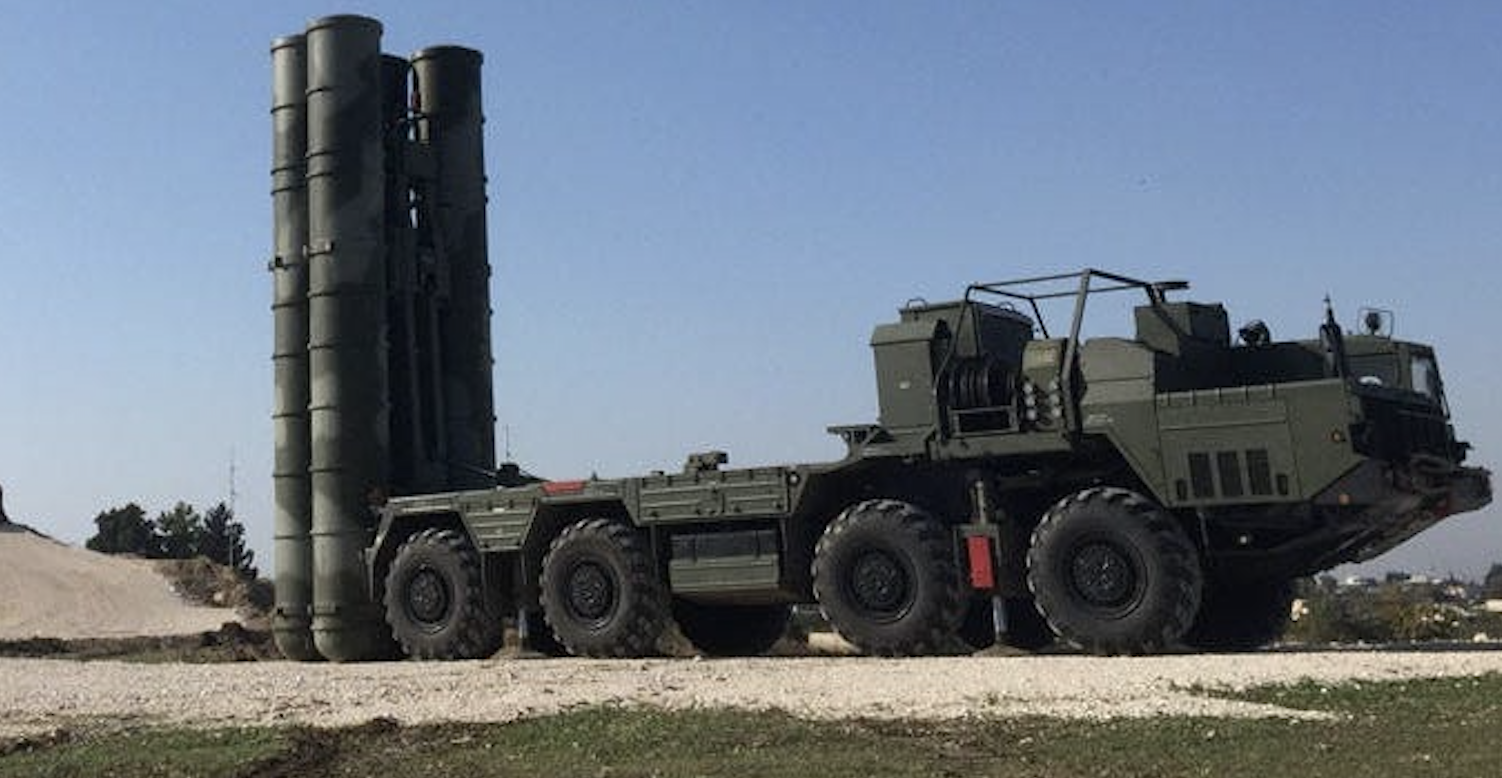
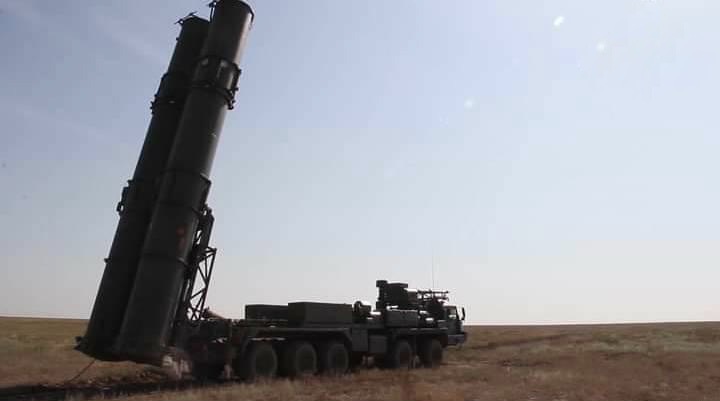
Launcher from S-400 System
The Indian Armed Forces are preparing to deploy a fifth Russian-made S-400 long-range air defence regiment in Jammu and Kashmir, where it would help protect the approximately 740-kilometre Line of Control separating Indian- and Pakistani-administered territory. The planned deployment would complete the original $5.43 billion procurement agreement signed between New Delhi and Moscow in 2018, which is scheduled to be followed by a second batch of five additional regiments. The new installation is expected to become operational by February 2027, with an Indian Air Force inspection team scheduled to visit Russia in December to examine the final regiment ahead of its delivery.
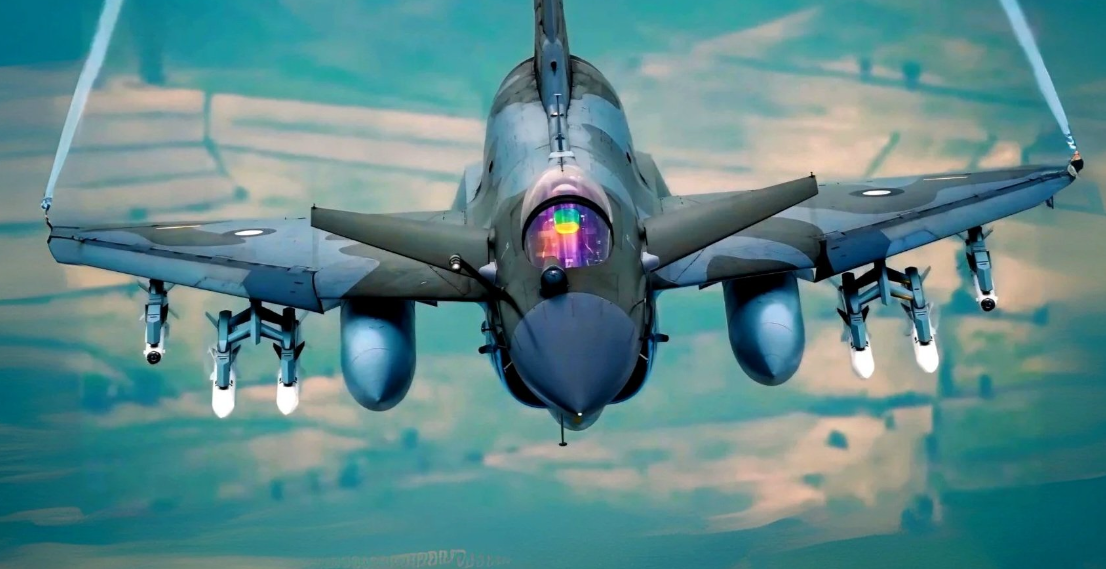
The decision to strengthen air defences along the Line of Control reflects concerns over Pakistan’s growing access to advanced Chinese military equipment, including J-10C and JF-17 Block III ‘4+ generation’ fighters. The J-10C proved capable of significantly outperforming India’s French-supplied Rafale fighters during engagements in May 2025, while the significantly more advanced J-35 is widely reported to be planned for procurement to equip the Pakistani fighter fleet. Pakistan has also acquired Chinese HQ-9B long range air defence systems, and continues to develop a wide range of cruise and ballistic missiles, which are all assets the S-400 could potentially play a key role in countering.
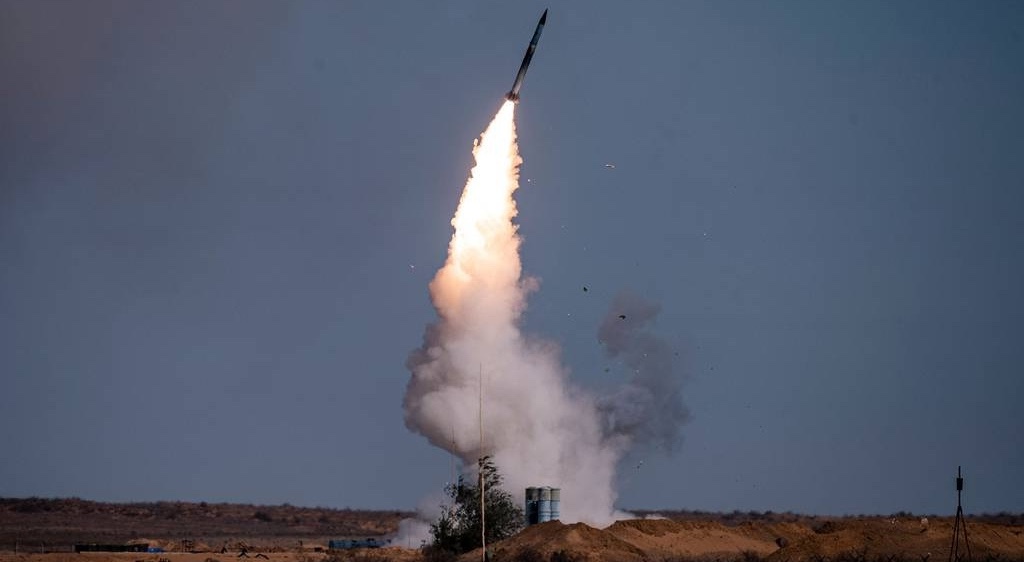
In August 2025 Indian Air Force Air Chief Marshal Amar Preet Singh elaborated on the service’s air defence efforts during clashes with the Pakistan Air Force on May 7-10, observing: “The S-400 system which we had recently bought has been a game changer… The kill range of that system kept their aircraft away from the maximum distance at which they could employ their long-range air-to-ground weapons, like those long-range glide bombs that they have.” “We have at least five fighters confirmed killed and one large aircraft, which could be an ELINT aircraft or an AEW&C aircraft, which was taken out from a distance of about 300km, which is the largest-ever recorded surface-to-air kill that we can talk about,” he further noted.
Indian Prime Minister Narendra Modi had previously indicated that the S-400 had indeed played a significant role in hostilities, observing on May 13 regarding the recent clashes that “platforms like the S-400 have given unprecedented strength to the country.” The singling out of the S-400 for praise followed a major public relations fallout for the Indian Air Force after the loss of between one and four Rafale fighters in engagements with the Pakistan Air Force. Alongside further S-400 procurements, the Indian Defence Ministry has held talks for the procurement of complementary Su-57 fifth generation fighters, as well as much longer range S-500 strategic air defence systems. The S-500 represents a fundamentally different capability, and is intended as a higher-tier system focused on intercepting more demanding targets, including satellites, space aircraft and space-flying ballistic missiles including those with intercontinental ranges.