
India and F-16 acquisition; Third World Capabilities for a World Leading Air Force?
Military Watch Magazine Editorial Staff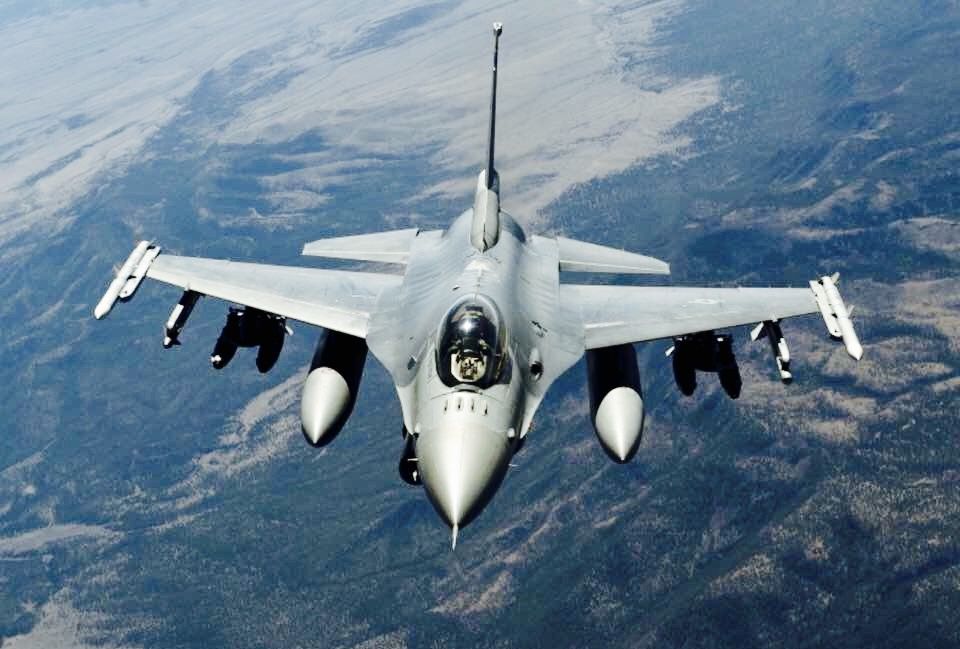
F-16 Light Multirole Fighter
The Indian Air Force is today among the most potent in the world, with modernisation efforts since the turn of the century having expanded its capabilities and raised its standing very considerably. The backbone of its combat fleet is formed by over 270 Su-30MKI heavyweight fighters, which are the most potent fourth generation fighters in the world and are fielded in over twice the numbers of the fleets of any other Su-30 operator. These are supported by approximately 70 MiG-29UPG light multirole fighters and approximately 60 Dassault Mirage 2000 fighters, which are capable of serving complementary role to the Sukhois with lower operational costs and shorter ranges. At the lower end of its inventory, older MiG-21BiS light fighters have been enhanced with fourth generation avionics and weapons, providing capabilities ahead of those of many actual fourth generation fighters such as the F-16s fielded by Indonesia, Venezuela, Egypt and Iraq or some of the older Mirage 2000 units in French service. The MiGs are set to be replaced by indigenous Tejas lightweight fighters, which although costly to produce benefit from very low operational costs and advanced avionics. Its fighter fleet and inventories of advanced assets from transports to attack helicopters have facilitated India's emergence as a world leading air power with capabilities considered ahead of all competitors other than the United States, China and Russia.
In June 2017 it was announced that India was considering acquiring F-16 fighters from the United States, which would be manufactured in India and enter service in the Indian Air Force. This acquisition raised many questions as to why India would require a forty year old fourth generation fighter considering its limited capabilities relative to the aircraft already fielded by the country. The F-16, while formidable in its time, is today being phased out by all first rate and modern military powers which operate them. The United States, Denmark, Norway, Singapore and Israel among others are currently moving to replace their F-16 inventories with more modern fighters, while even longstanding F-16 clients in the third world such a Egypt and Indonesia have abandoned plans for further acquisitions in favour of more modern fourth generation fighters such as the MiG-29M and Rafale.
Much like the F-5 before it, the F-16 was designed as a lighter less costly fighter to sell to U.S. allies - far less capable than the heavier and more costly F-15. The F-16 today adds no capabilities to the Indian Air Force which it does not already possess. Indeed the design of the F-16 is far older than any aircraft the Indian aircraft currently operates, with the MiG-29 and Mirage 2000 in service since the 1980s and the Su-30MKI in service since 2002. Indeed the MiG-29 and Mirage 2000 fulfil the same roll as the F-16 as light multirole platform but arguably do so more effectively. In recent years only nations with second or third rate air forces and budgetary restraints have continued to purchase the F-16, with all its other operators either maintaining and upgrading their existing fleets or phasing out and replacing the fighters. The U.S. Air Force itself ceased acquisitions in 2005 before beginning to contract the size of its fleet. Ultimately the F-16 is nearing the end of its lifespan as a competitive fighter design, and for a nation to acquire it and expect it to remain viable and able to contend with a modern air force in future is highly unlikely. This was attested to by several prominent Indian defence analysts, such as Rahul Bedi, who projected that the F-16 would soon be obsolete and was being dumped on India by the United States. To put India's decision to purchase the F-16 as late as 2017 in perspective, the only other nations recently acquiring the fighter are Bahrain, Iraq and Colombia - all of which have poorly funded third rate air forces.
While advocates of India's acquisition of the F-16 argue that India will gain significantly from technological transfers, as the fighters are being manufactured in India, India's defence industries likely would have little use for the F-16 technology. Not only have such fourth generation technologies today been widely proliferated and become easily obtainable, but India has proven that it has already acquired substantial fourth generation technological capabilities with the manufacture of the Tejas. In addition India will have access to far more advanced fifth generation technology already due to its participation in the HAL FGFA program with Russia - which itself involves substantial technology transfers. As such India has little need for fourth generation technological transfers from the F-16.
It appears that India is not serving its defence interests well by acquiring old fighters considering that it already has world leading capabilities and access to the cutting edge fifth generation technology of the HAL FGFA. Whether there are political motives for the F-16 acquisition are unknown, but while it may facilitate stronger defence ties with the United States it will do little to serve and may in fact hinder the capabilities of India's highly potent and modern air force.
