
How Vulnerable are Stealth Aircraft Today? A Look Back 20 Years After Yugoslavia Destroyed America’s F-117
Military Watch Magazine Editorial Staff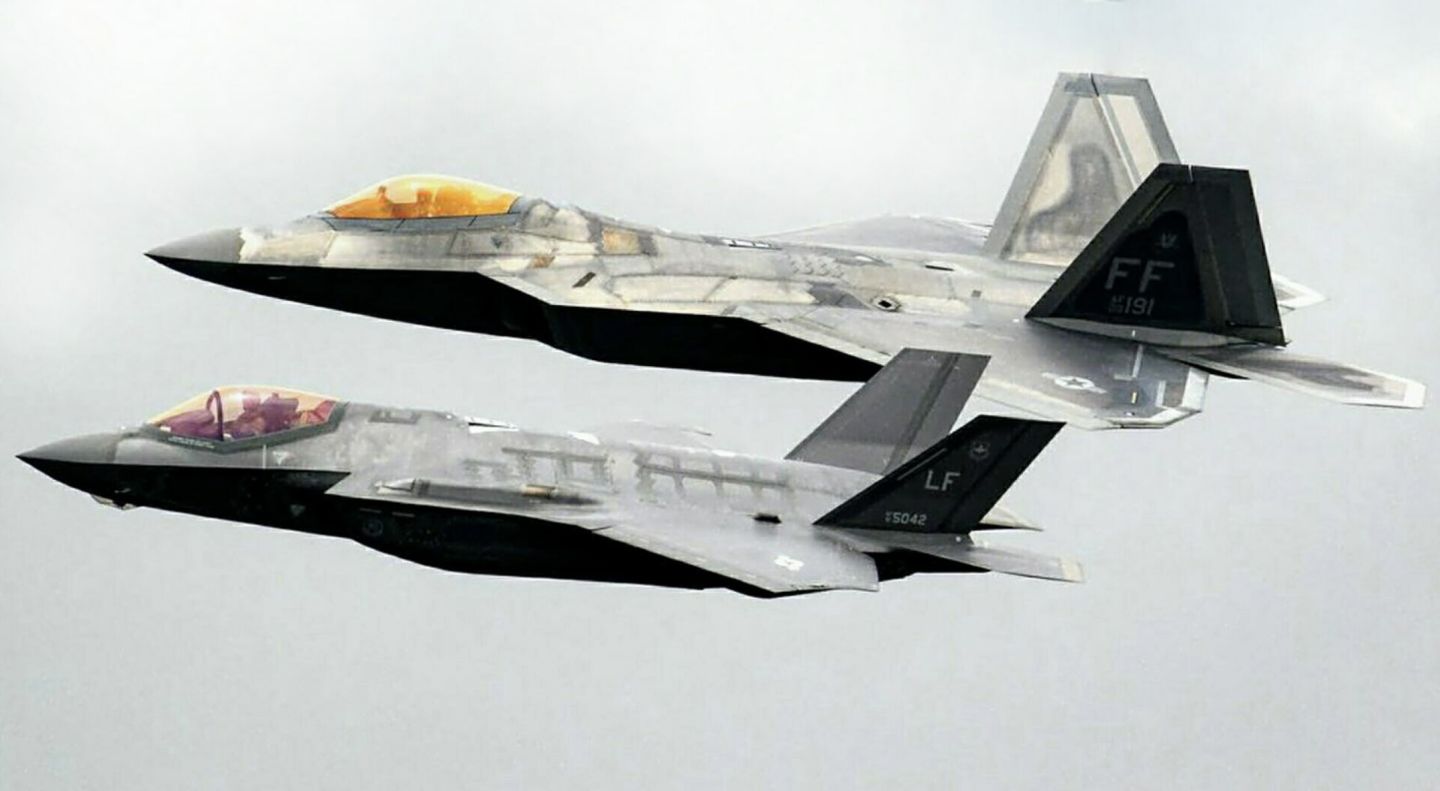
U.S. Air Force F-22 and F-35 Stealth Fighters
March 27th marks the anniversary of one of the most prolific military events of the 1990s, in which the United States Military's first stealth fighter the F-117 Nighthawk was shot down by a Yugoslav S-125 surface to air missile battery during the NATO military intervention against the country. The F-117 was developed for the U.S. Air Force to penetrate Soviet air defences and neutralise high end surface to air missile systems and radars - figuratively ‘kicking down the door’ which would allow other non stealthy aircraft to operate in heavily defended airspace. The F-117N was also briefly marketed to the U.S. Navy as a carrier based strike fighter capable of deploying from aircraft carriers, which deployed more powerful engines, a more sophisticated radar and was capable of carrying air to air missiles - though the service did not show much interest in this program. The aircraft’s success in neutralising Iraqi air defences in 1991 during Operation Desert Storm, which saw the F-117 carry a disproportionate burden of air defence penetration due to its then highly unique capabilities, led it to be widely perceived as a near invulnerable platform - particularly given the losses of other U.S. strike platforms such as the F-15E and F-111 to Iraqi forces. The stealth fighter’s reputation would be greatly tarnished by its subsequent performance over Yugoslavia, which was reportedly a key factor leading to its retirement nine years later.
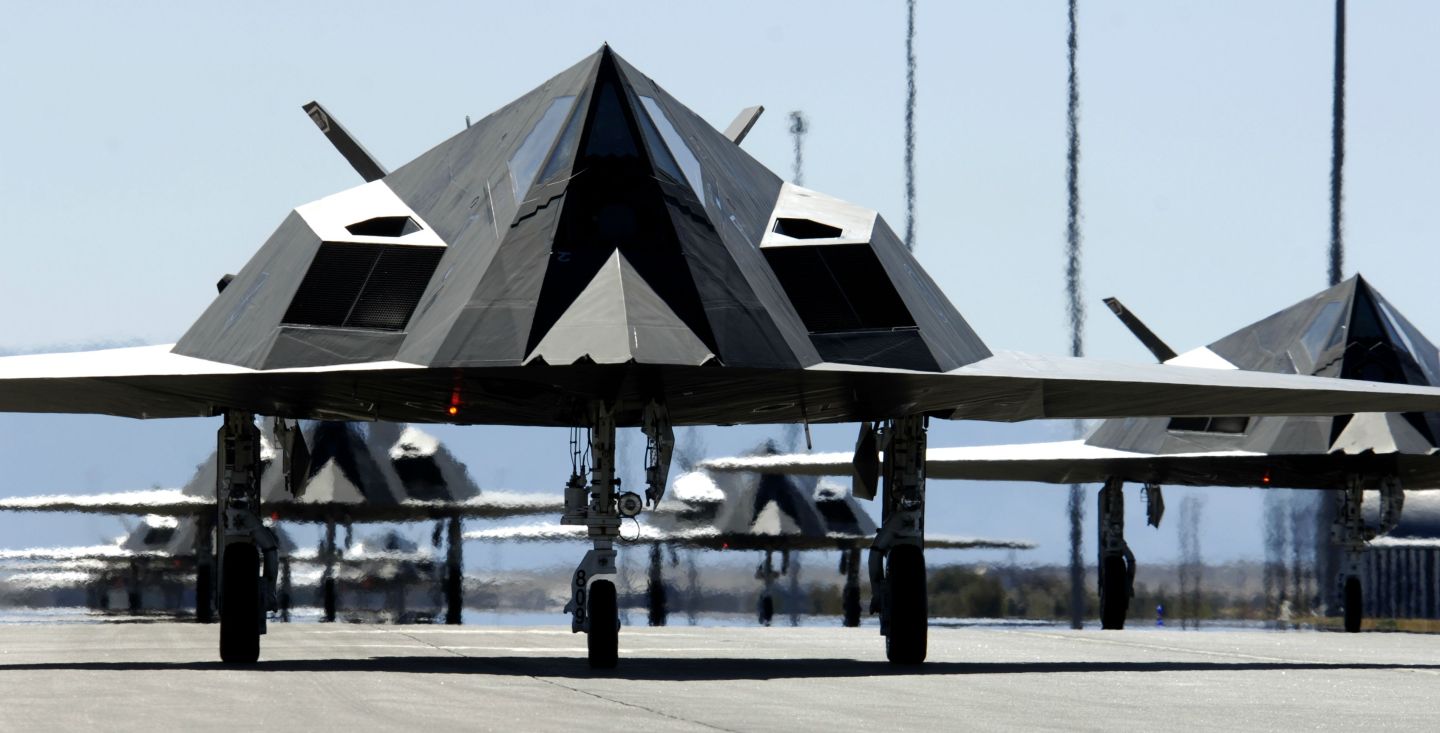
The F-117 was expected to be able to engage the most advanced Soviet air defences of its time, and its downing by an ageing air defence platform dating back in its service to 1961 seriously undermined the fighter's perceived viability - and made its success in the Gulf War appear largely due to Iraqi incompetences rather than its own strengths. The aircraft was designed to engage high end Soviet air defence systems such as the S-200, which were not deployed by either Iraq or Yugoslavia, as well as the more advanced BuK, S-300PMU-1, S-300V and S-300PMU-2 which had all be that time entered service in the Russian military. The stealth fighter’s vulnerability to an air defence platform more than a generation behind which predated even the Vietnam War, therefore, was a major embarrassment not only for the F-117 program - but for the concept of heavily reliance on stealth as a means of penetrating high end enemy air defences in general.
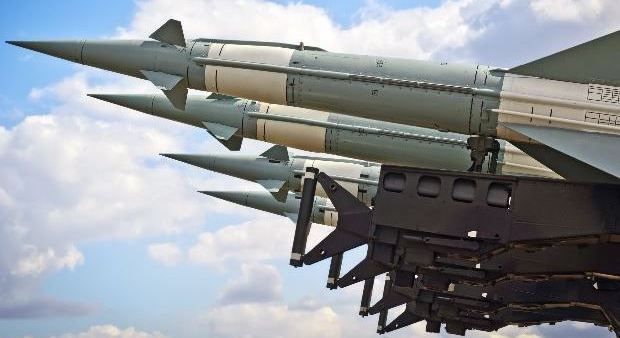
The S-125 system which downed the F-117 was under the command of Colonel Zoltan Dani of the 250th Air Defense Missile Brigade, who stated that some simple modifications to the air defences platform’s radar allowed it to detect and target the American aircraft. While the S-125 was restricted to just a 35km engagement range - a small fraction of that of later platforms, and it lacked the mobility or survivability of more sophisticated systems, Dani was able to position it along the American stealth fighter’s flight path to shoot down an aircraft. Yugoslav propaganda leaflets printed in English titled ‘Greetings from Serbia’ referred to the downing of the F-117 as a major victory, which indeed it was. ’Sorry, we didn’t know it was INVISIBLE’ the leaflets read. The the aircraft struck the ground at low speed and its airframe remained largely intact and was recovered by Yugoslav forces, who reportedly presented it to Russia’s armed forces for study to further enhance their anti stealth technologies. A number of reports indicate that another F-117 was also hit by Yugoslav surface to air missile batteries, though the twin engine aircraft was able to return to base but was unable to fly again.
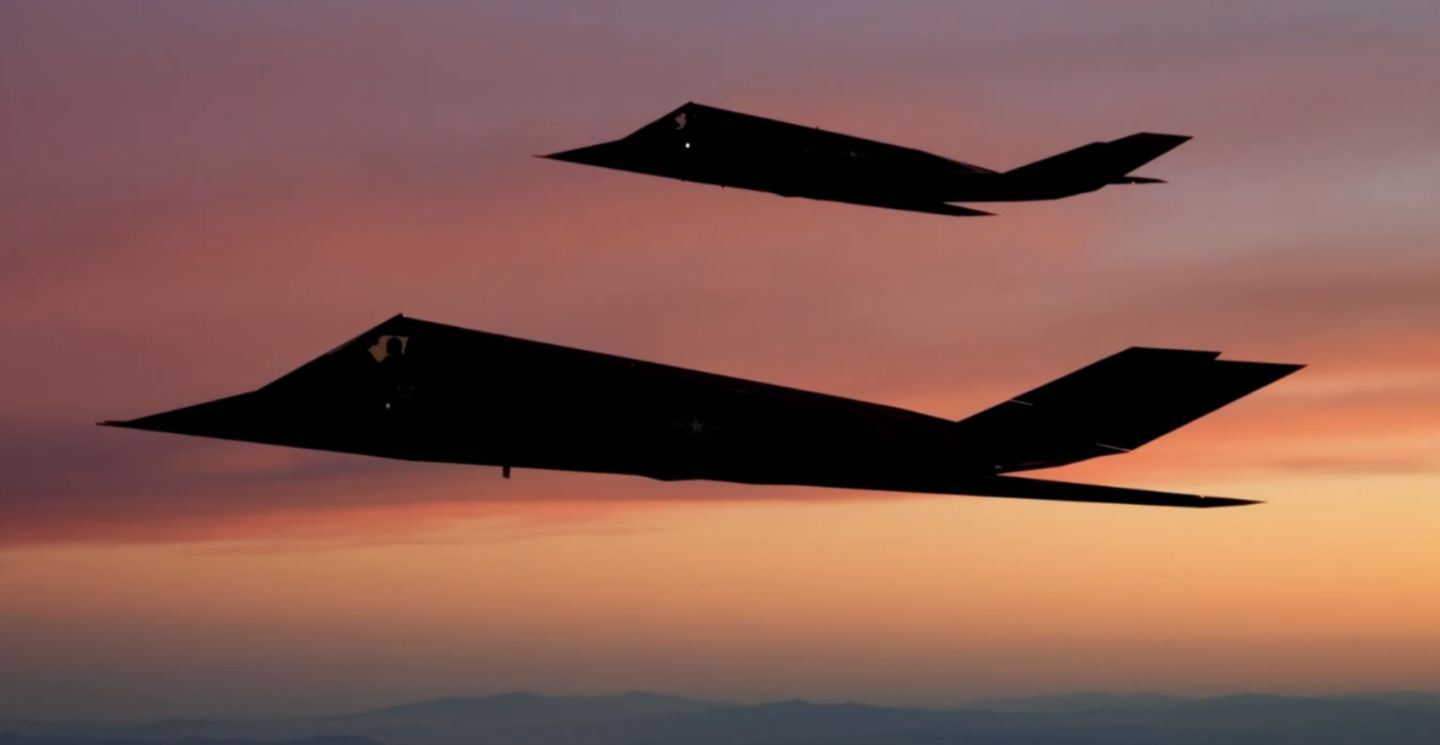
Incidents involving the F-117 over Yugoslavia were hardly the last time a stealth aircraft was downed, though they did represent the most prolific case and the only ones with manned stealth jets. This was largely due to the limited combat that stealth fighters have seen since that conflict against adversaries with remotely advanced air defences or combat aircraft. The F-117 was used to penetrate the already severely battered and negligible Iraqi air defence network in 2003, and its successors the F-22 Raptor and F-35 Lighting II stealth jets have been deployed to engage only insurgent groups such as the Taliban and Islamic State, giving little indication as to their actual survivability against even basic air defences. Some indication was given, however, regarding the potential weaknesses of stealth aircraft over the skies of the Middle East - namely when the Iranian military was able to successfully down an RQ-170 stealth drone in 2011. This drone had a lower radar cross section and was considerably more sophisticated than the F-117, but was nevertheless successfully neutralised. An Iranian replica of the RQ-170 was later downed over Israeli territory in February 2018, though not before it had evaded multiple rounds of surface to air missile fire from U.S. manufactured Patriot batteries forcing the Israeli Air Force to shoot it down from the air.
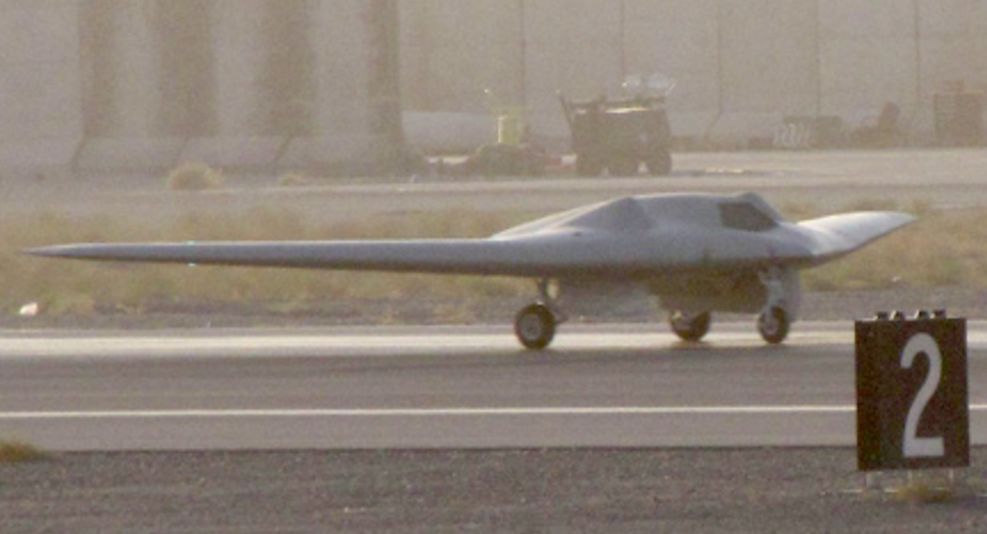
The downing of the F-117 has brought to question the continued viability of stealth aircraft for penetrating of heavily defended enemy airspace, and while stealth aircraft have never engaged high end air defences their vulnerability against lower end systems sheds poor light on their potential performance. The F-35, the only Western stealth fighter in production, has a similar radar cross section to the F-117 - and while its electronic warfare systems and radar absorbent coatings are more advanced this is likely to be little consolation given how much more sophisticated the air defence systems it is expected to face air relative to the S-125 - several generations and several decades ahead. The limitations of stealth and lessons learned from Yugoslavia may well explain the Russian military’s very limited investments in this technology, which have been neglected entirely for its own modern strike fighters. While the F-22 Raptor currently in U.S. service is a highly survivable aircraft with or without stealth, by virtue of its manoeuvrability, speed and high operational altitude, the F-35’s slow speed, low altitude ceiling and relatively poor manoeuvrability have led to the repeated raising of the question as to whether it too, like the F-117, relies overly heavily on stealth, and to what extent it is actually survivable for modern air defence penetration missions.
