
How the U.S. Air Force Could Take Down Venezuela’s Elite Russian Built Air Defences - Part Two
Military Watch Magazine Editorial Staff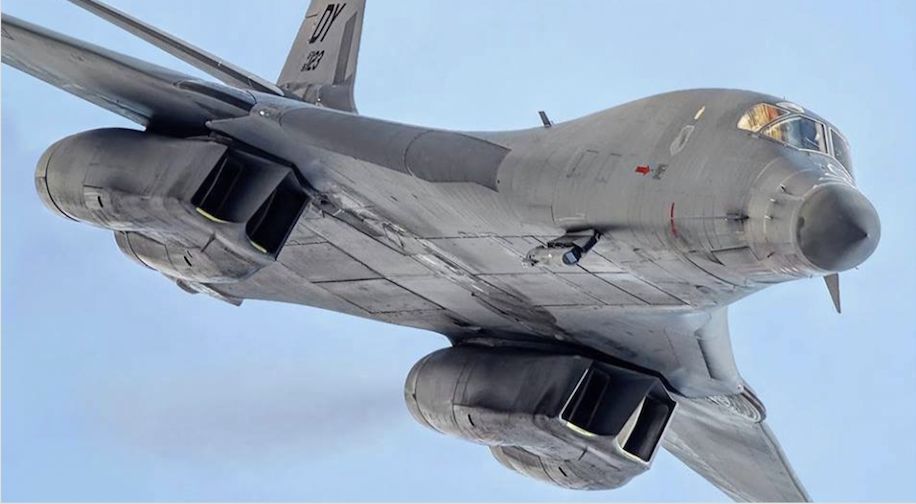
U.S. Air Force B-1B Lancer Heavy Bomber
Should the United States military seek to take action against Venezuela, it is likely that only a single fighter type will be considered suitable to tackle the country’s fighters and air defences - the F-22 Raptor. Unlike the vast majority of the American fighter fleet, the Raptor is designed with high speed and high altitude capabilities - with its powerful F119 engines putting out more than double the thrust of lighter platforms such as the F-16. Furthermore, the F-22’s radar evading stealth profile allows it to operate in highly contested airspace where fourth generation platforms such as the F-18 or F-15 would be highly vulnerable. While the F-35, a lighter fifth generation fighter which has begun to enter limited service in the U.S. military, also makes use of a radar evading stealth profile, it has previously been termed a ‘pseudo stealthy’ fighter due to its radar cross section being many times greater than that of the Raptor.
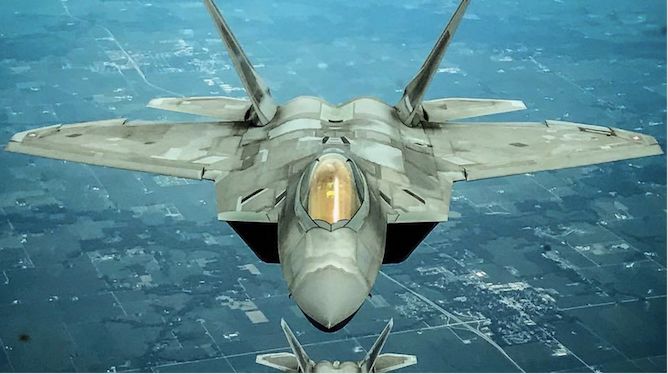
U.S. Air Force F-22 Raptor Fifth Generation Air Superiority Fighter
The Raptors integrate the advanced air to air combat capabilities, powerful AESA radars, new electronic warfare systems, thrust vectoring engines and a long enough range to minimise the need for aerial refuelling on missions to South America. While the AIM-120C air to air missiles used by the vast majority of American combat aircraft are outranged by Venezuela’s own Russian made munitions, the Raptors have been prioritised for outfitting with the AIM-120D - a platform with a 180km range capable of comfortably engaging Venezuelan jets at extreme ranges. The F-22’s advanced stealth profile means that it will likely prove impossible to detect for Venezuelan fighters near the limits of their range - thus again ensuring an advantage for the Raptor. The S-300VM, while is will likely be able to detect the Raptor even at long ranges, will also struggle to lock onto the elite fighters near the limits of its range. Given the extreme manoeuvrability of both fighter classes however, and the sophistication of their electronic warfare systems, it is likely that both will prove highly survivable at extreme ranges. The Raptor is nevertheless best suited to dominating Venezuelan airspace, with the fighter class having been developed precisely for such a role.
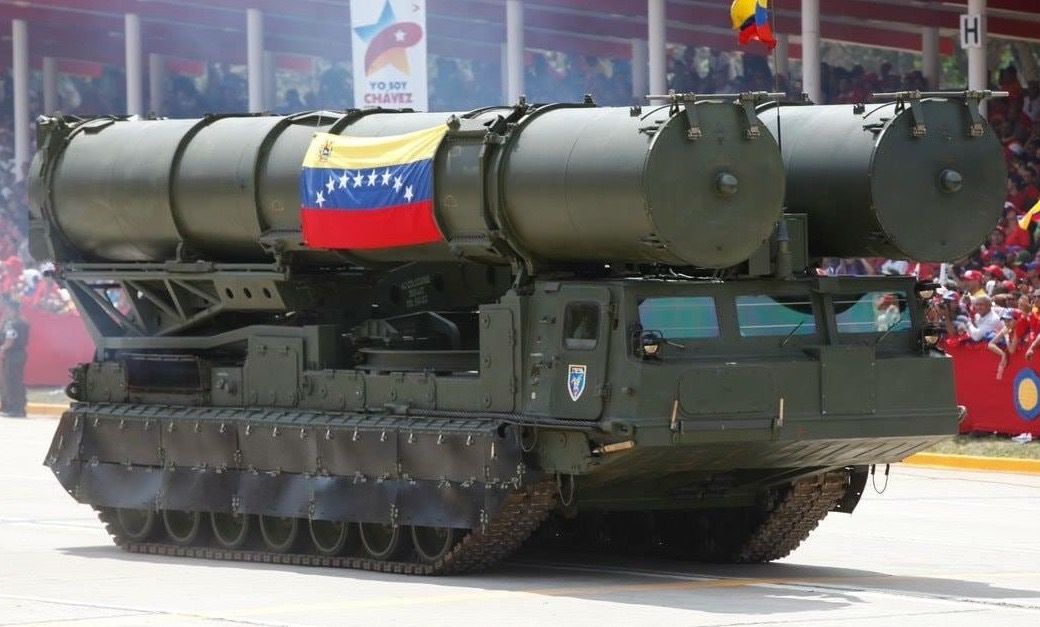
Venezuelan S-300VM Surface to Air Missile Battery
Supporting an F-22 strike, the U.S. Air Force is likely to deploy both E-3 long range Airborne Warning and Control System (AWACS) platforms and the Boeing KC-135 Stratotanker. The former will provide American Raptors with a considerable advantage over Venezuelan fighters, and can operate over the Carribean well beyond the range of the country’s own fighters and air defences. The E-3 will be able to provide key intelligence on the activates of Venezuela’s armed forces and the location of its combat aircraft, and the platform can also provide targeting information and even guide missiles from American fighters to the targets. The KC-135 meanwhile will provide American Raptors with the range extension needed to reach Venezuelan airspace, and the aircraft can also play a supporting role from well beyond the range of the Venezuelan attacks.
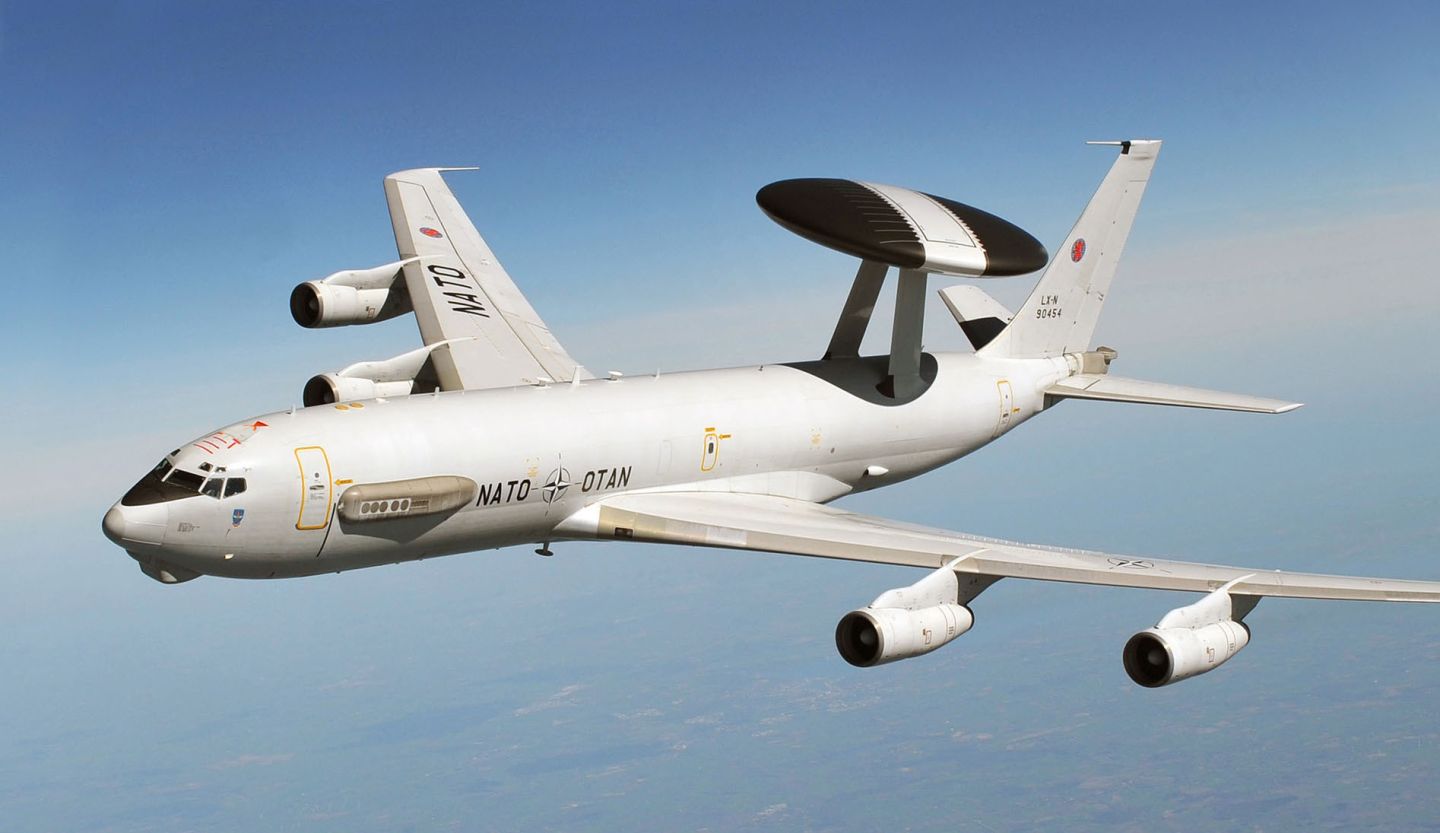
E-3 Sentry AWACS Platform
Providing additional support, American B-1B Lancer and B-52 Stratofortress heavy bombers are capable of carrying out precision strikes on Venezuelan targets from extreme ranges. As Venezuela is not know to fortify its radar or surface to air missile sites in the same way as Russia or North Korea, these targets are potentially highly vulnerable to strikes at extreme ranges using radar evading cruise missiles. Munitions such as the AGM-86 are capable of striking targets at ranges of several thousands kilometres, and while the S-300VM and Patsir-S1 are likely to be able to intercept a significant proportion of these missile attacks - with several missiles fired by each bomber only a fraction need to get through to considerably undermine Venezuelan air defences. The B-52 for example deploys 20 AGM-86 missiles in standard configuration, and multiple bombers are likely to strike simultaneously - enough to overwhelm the country’s defences. Airfields for Su-30MK2 fighters are also potential targets, and these too are not known to be heavily fortified as heavily as Russian and Korean sites are.
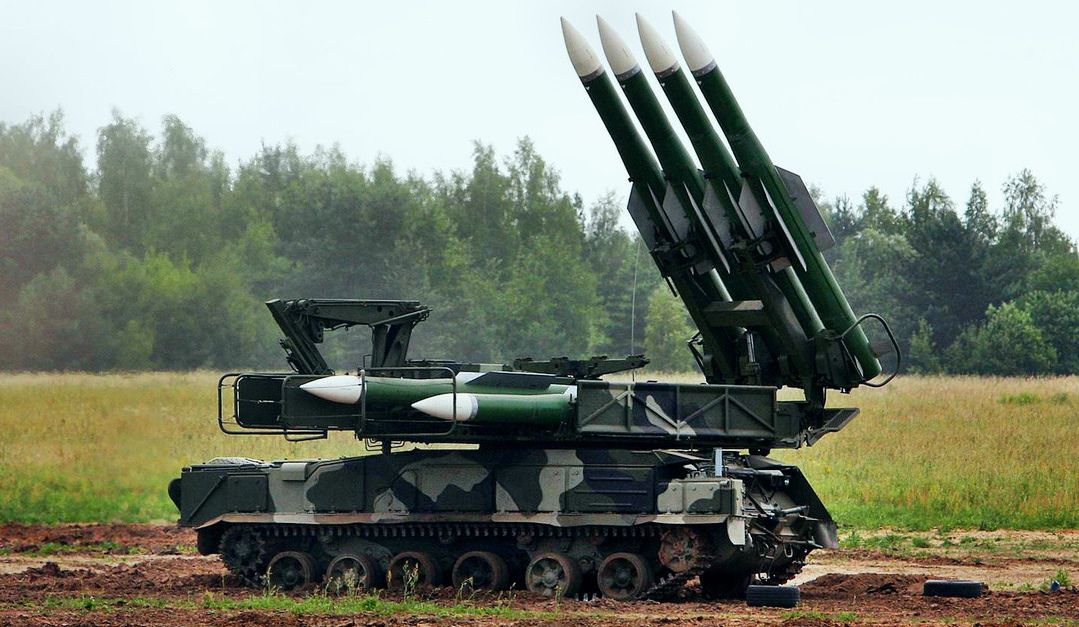
BuK-M2 Surface to Air Missile Battery
Venezuela for its part is wholly incapable of retaliating against such attacks - only of intercepting them. While the high mobility of the S-300VM and BuK-M2 will enhance their survivability, platforms such as the E-3 and satellite based surveillance assets will make hiding them difficult - particularly given that Venezuelan military equipment will be forced to travel overland. Unlike Russian and North Korea, it lacks an underground tunnel network through which to transfer its assets. Once Venezuela’s air defences are sufficiently softened, the U.S. will be able to bring more assets to bear including legacy fourth generate platforms such as the F-15E Strike Eagle to eliminate lower end and shorter ranged assets, ensuring near total control over the country’s skies. While Venezuela’s defences are highly capable, the range of assets available to the U.S. Air Force allows it to wear them down at standoff ranges while mining risks to its own aircraft. Raptors too are likely to play a vital role in spearheading an attack, and are the only fighters available which can regains survivability within range of Venezuelan high end defences - and can tackle high end air superiority jets such as the Su-30MK2.
