
How Capable is the Chinese Ballistic Missile Arsenal Operated by Saudi Arabia?
Military Watch Magazine Editorial Staff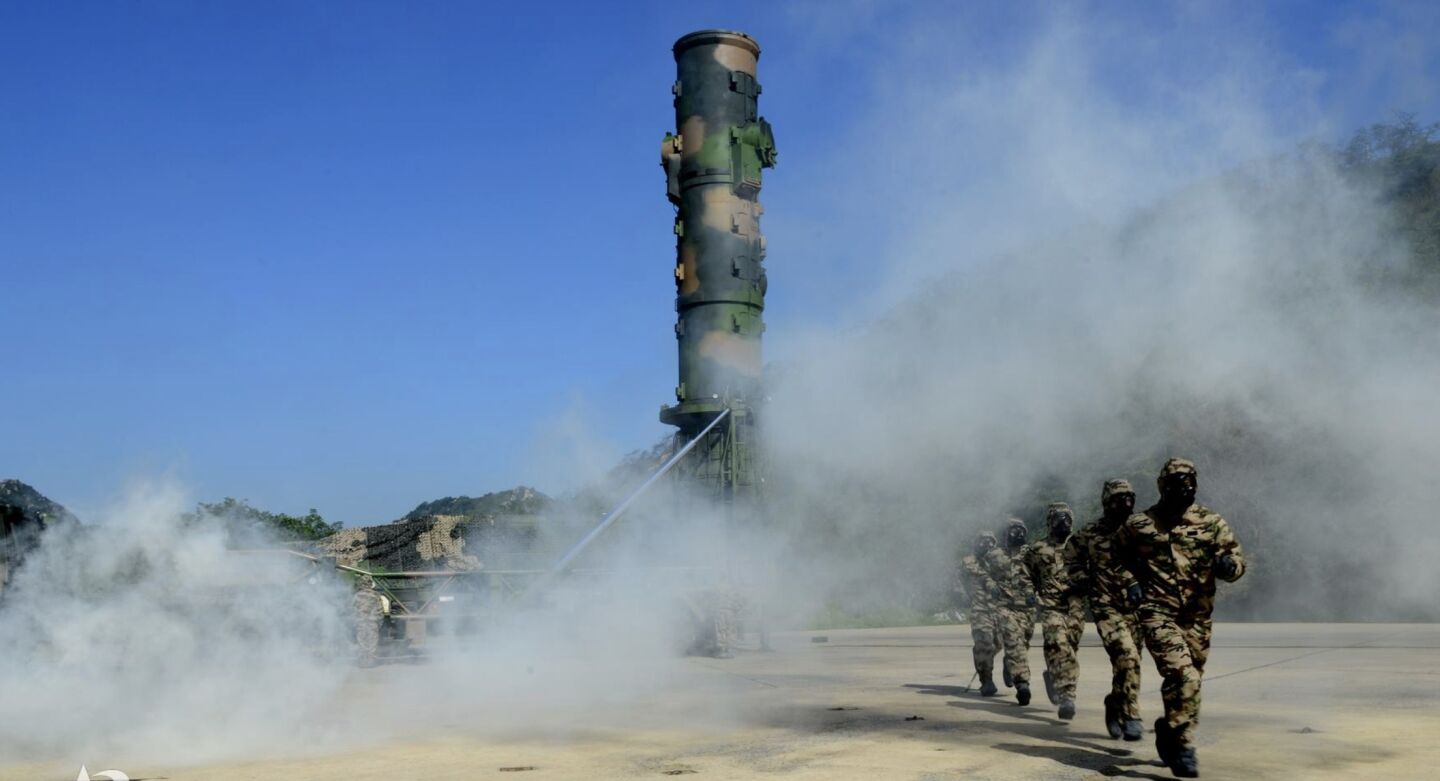
DF-21A Intermediate Range Ballistic Missile
The armed forces of Saudi Arabia have utilised Chinese DF-15A short-range ballistic missile against Yemeni Ansurullah Coalition forces, marking the first ever strike using the weapons following decades of procurements from the East Asian state. Saudi Arabia has maintained one of the Middle East’s most secretive ballistic missile forces since the 1980s, providing a strategic strike capability which China has played a central role in the development of. The debris from one of the missiles was found Yemen’s Marib Governorate amid renewed fighting with Ansurullah Coalition forces.

In 1988, the Saudi Armed Forces acquired the Chinese DF-3, establishing the foundations of what would become the Royal Saudi Strategic Missile Force. The liquid-fuelled, single-stage intermediate-range ballistic missile was capable of reaching targets approximately 3,000 kilometres away depending on payload and configuration. This was followed by the procurement of the Chinese DF-21 from 2007, a considerably more capable and modern missile with solid-fuel propulsion. The Arab kingdom did not publicly display its ballistic missiles until 2014, when DF-3 and DF-21 systems appeared in a military parade. The display was highly unusual for Saudi Arabia and was widely interpreted as a strategic message directed particularly towards Iran.
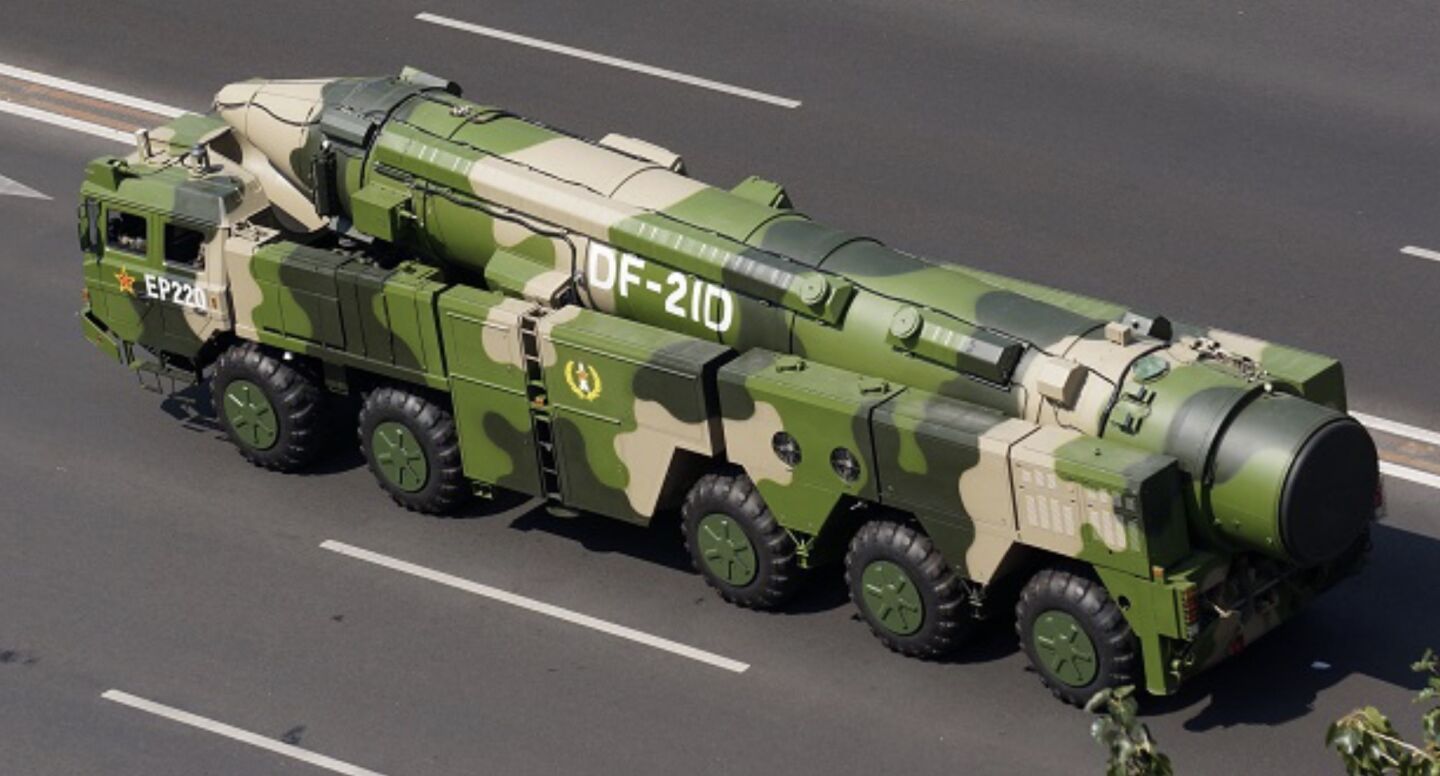
The DF-21 is a two-stage, solid-fuelled, road-mobile medium-range ballistic missile. Unlike the large liquid-fuelled DF-3, it can be transported and deployed using mobile launch equipment and does not require the lengthy fuelling procedures associated with liquid-propellant missiles. The system’s greater mobility and responsiveness therefore provide substantial advantages in survivability. The DF-21’s range is shorter than that of the DF-3, but its greater accuracy makes it considerably more useful as a conventional weapon. The system’s range is generally assessed at around 1,700 kilometres for relevant variants, allowing targets throughout much of the Middle East to be placed within reach from Saudi territory.
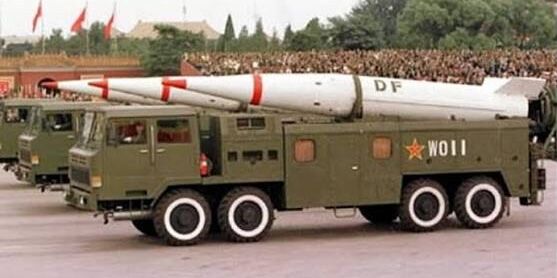
The discovery of suspected Chinese DF-15A missile debris in Yemen has provided another potentially important indication of the breadth of Saudi Arabia’s Chinese-derived missile arsenal, with the missile type representing a different class of capability from the strategic DF-3 and medium-range DF-21. The DF-15 is a Chinese family of solid-fuel, road-mobile short-range ballistic missiles first introduced during the late Cold War. The DF-15A represents a substantially improved variant and is generally assessed to have a range of approximately 600 kilometres, allowing it to strike targets across much of northern Yemen if deployed from suitable positions inside Saudi Arabia. The missile can carry a conventional payload in the region of 500–750 kilograms, providing considerably greater destructive potential than most conventional rockets used by regional armed groups.
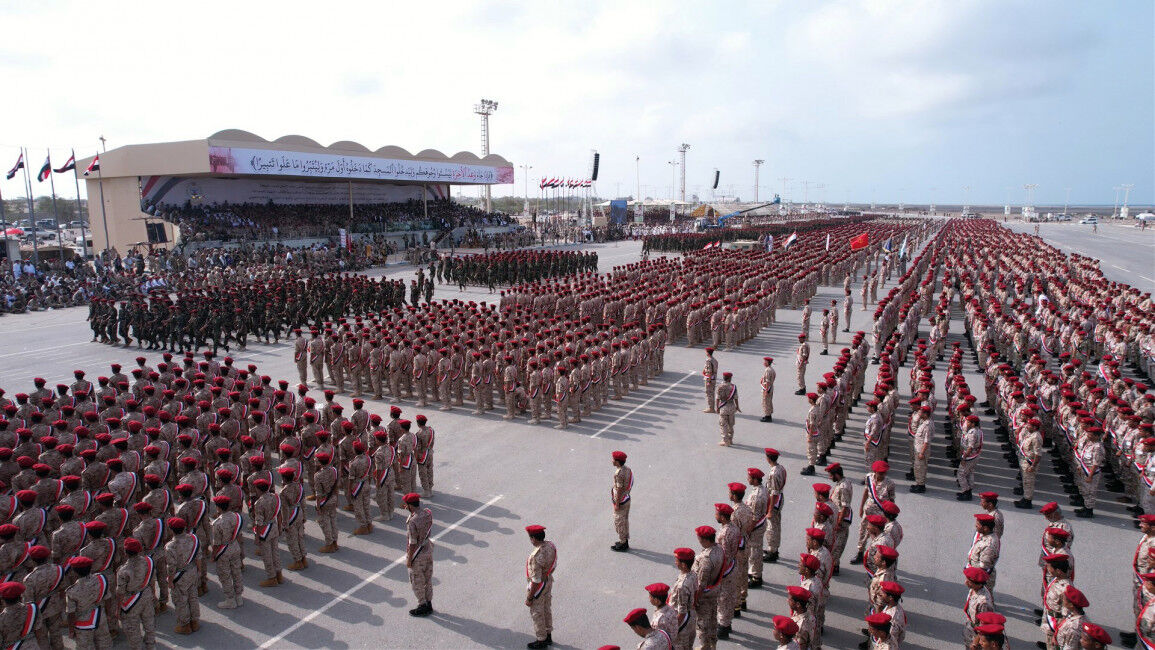
The use of the DF-15A would also demonstrate that Saudi Arabia’s ballistic missiles are not merely a strategic deterrent intended for extreme contingencies. Instead, at least some elements of the force could potentially be employed for conventional battlefield strikes against fixed targets, providing Riyadh with an additional option in conflicts such as the war in Yemen. The missile’s use provides a rare glimpse into a force that Riyadh has spent decades keeping out of public view, and indicates that China has supplied Saudi forces with an increasingly diverse arsenal capable of supporting conventional military operations.
