
Greece Confirms Purchase of French Fighter Jets: Why Was the Rafale Chosen?
Military Watch Magazine Editorial Staff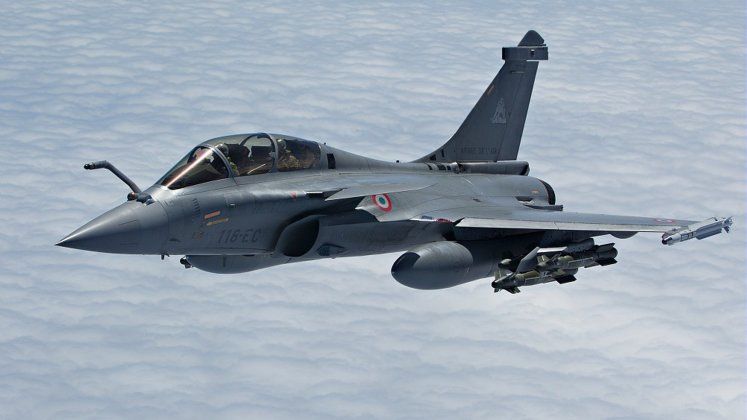
Rafale Fighter
Greek Prime Minister Kyriakos Mitsotakis has confirmed that his country would obtain 18 French built Rafale lightweight fighter jets, which would replace its ageing Cold War era Mirage 2000 fighters. Greece previously planned to acquire F-35A stealth fighters from the United States, presumably to replace the very same Mirage jets, but French support for the Eastern European country in its ongoing territorial dispute with neighbouring Turkey may well lead to the termination of F-35 acquisition plans in favour of larger Rafale purchases. The Rafale has had a troubled history on world export markets losing the large majority of tenders, and with a cost 50% higher than the F-35A it is hardly considered a cost effective aircraft given its far more limited capabilities. France has managed to make inroads into the Greek market by offering to provide 8 of the 18 fighters free of change - with all fighters reportedly to be delivered from the French Air Force’s existing inventory ensuring that they will be operational in Greek service within a very short period. The F-35, by contrast, would take several years to be ready for service with over a dozen clients already waiting for orders to be met.
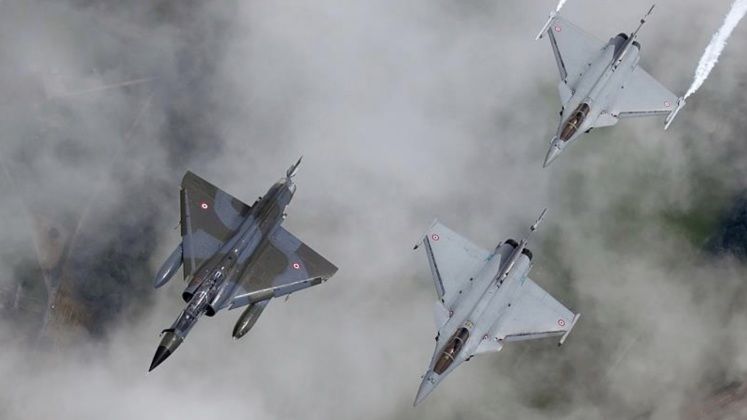
The Rafale notably can make use of much of the same maintenance infrastructure and weapons as the Mirage 2000, and although it is slower and restricted to flying at lower altitudes is considerably more capable in long range air to air and strike missions. The aircraft are prized for their powerful AESA radars and access to Meteor and SCALP missiles for respective air to air and air to ground missions, although the platform’s small size means its endurance and the size of its radar are both very limited. Modern Rafale variants are expected to provide the Greek fleet with a significant advantage in the case of conflict with Turkey, with the Turkish Air Force relying exclusively on F-16C lightweight platforms which use much older sensor and missile technologies. Turkish F-16s currently rely on the AIM-120B as their most capable air to air missile - which have a very limited range of approximately 80km and date back to the 1990s. The Meteor is around two decades ahead technologically and has around triple the range.
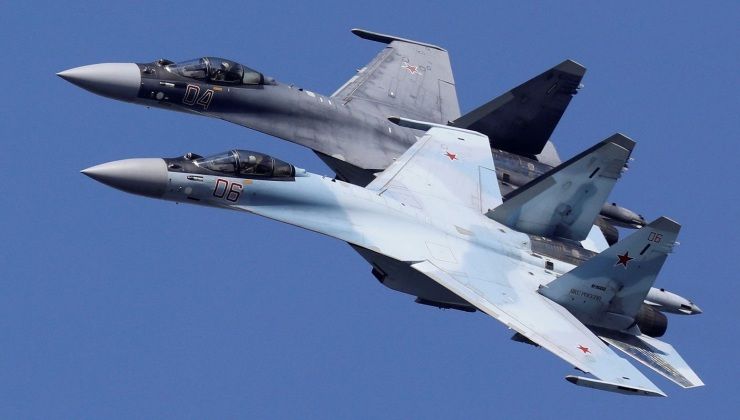
While the Rafale is sufficient to give Greek fighter units an edge over the F-16, Turkey previously planned to acquire over 100 F-35 fighters from the United States which would have had an overwhelming advantage over the French built jets in the event of an air war in the region. Turkey is currently in the advanced stages of negotiations to acquire Su-35 fighters from Russia, possibly followed by Su-57 fighters which it has also showed an interest in, with both of these being around twice the size of the Rafale and boasting far superior capabilities. This and Turkish plans to acquire more S-400 air defence systems will likely leave the Rafale heavily outmatched, which could force Greece in the medium or long term to proceed with its original plans and acquire American F-35A fighters to wage war at a higher level. In the mean time, however, a small contract for Rafale fighters will provide a temporary advantage in the current period of high tensions.
