
Golden Dome Missile Defence Vital to Securing U.S. Second Strike Capability - STRATCOM Chief Incumbent
Military Watch Magazine Editorial Staff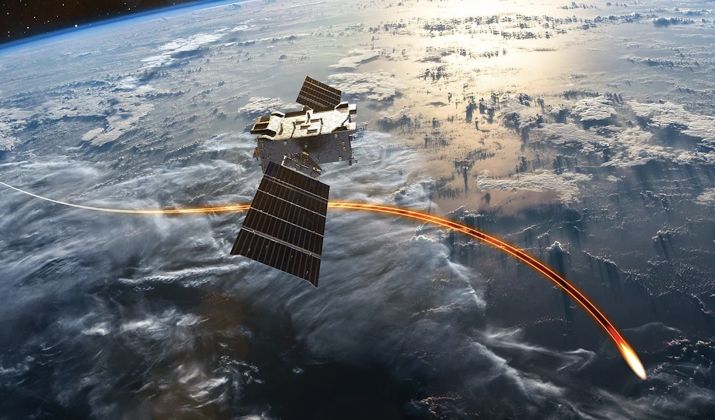
Space Based Anti-Missile Interceptor - Artwork
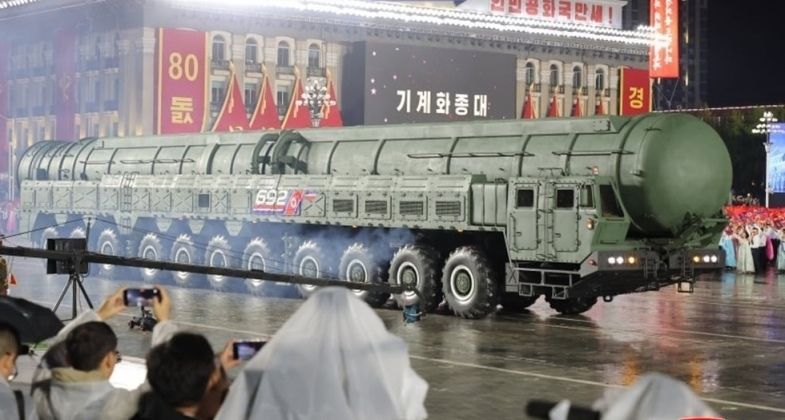
The future head of U.S. Strategic Command (STRATCOM) Vice Admiral Richard Correll has stressed that the new Golden Dome missile defence initiative has a vital role in ensuring the U.S. Armed Forces’ ability to launch retaliatory nuclear strikes. Highlighting major challenges to the U.S. mainland from the strike capabilities of China, Russia and North Korea, Correll observed: “The Russian Federation continues to modernise and diversify its arsenal, further complicating deterrence. Regional actors, such as the Democratic People’s Republic of Korea (DPRK - North Korea) present additional threats.” “More than nuclear, China and Russia maintain strategic non-nuclear capabilities that can cause catastrophic destruction. The major challenge facing USSTRATCOM is not just addressing each of these threat actors individually but addressing them comprehensively should their alignment result in coordinated aggression,” he added.
Executive Order 14186, the Golden Dome for America has stipulated that the program “deliver a next-generation missile defence shield to defend its citizens and critical infrastructure against any foreign aerial attack on the U.S. homeland and guarantees a second-strike capability.” When announcing the program in January, U.S. President Donald Trump wrote in the executive order: “Since the United States withdrew from the Anti-Ballistic Missile Treaty in 2002 and initiated development of limited homeland missile defence, official United States homeland missile defence policy has remained only to stay ahead of rogue-nation threats and accidental or unauthorised missile launches… Over the past 40 years, rather than lessening, the threat from next-generation strategic weapons has become more intense and complex with the development by peer and near-peer adversaries of next-generation delivery systems and their own homeland integrated air and missile defence capabilities.”
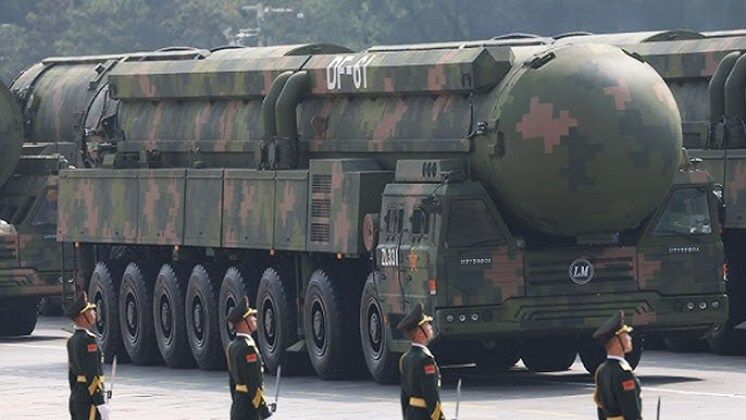
The allusion to the Golden Dome as being vital to ensure a second strike capability highlights concerns that advances in adversary strike capabilities could allow them to potentially destroy the existing American nuclear arsenal on the ground and at sea before it has a chance to launch a counter strike, which would have serious implications for the viability of the country’s strategic deterrent. The development of a missile defence network capable of meaningfully defending against event portion of a large intercontinental range strike package has never been achieved, with even North Korea’s smaller and less advanced missile arsenal having for years been considered comfortably capable of overwhelming existing American missile defences. Key elements of the Golden Dome program such as space-based anti-missile interceptors have seen their feasibility widely questioned, due not only to the costs involved, but also to the viability of reliability neutralising advanced new generations of ballistic missiles such as those with hypersonic capabilities.
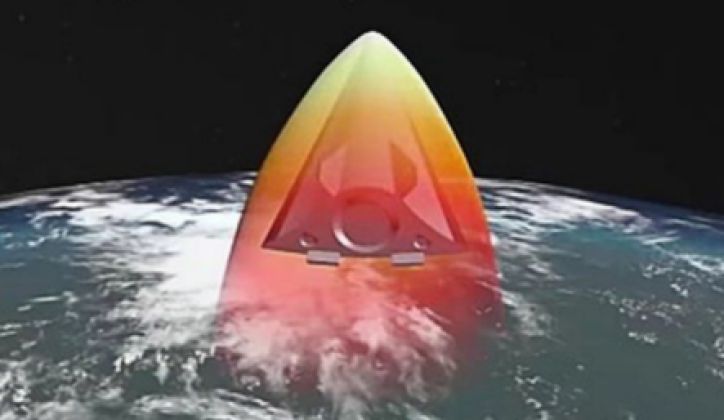
Advances in the intercontinental range strike capabilities of China, Russia and North Korea have caused growing concerns in the United States, with the U.S. relying on a nuclear ICBM arsenal approaching 60 years old and technologically several generations behind, while efforts to develop a new ICBM under the Sentinel program have faced tremendous cost overruns and delays. A major landmark in the modernisation of Chinese capabilities occurred in November 2021, when the country tested a new type of hypersonic glide vehicle intended for intercontinental range nuclear delivery. Vice Chairman of the U.S. Joint Chiefs of Staff General John Hyten warned at the time: ”They launched a long-range missile. It went around the world, dropped off a hypersonic glide vehicle that glided all the way back to China, that impacted a target in China.” He stressed the high degree of accuracy demonstrated, adding that China was is developing capabilities "stunning," and that its technological advantages could provide the capability to launch a surprise nuclear attack on the U.S. despite the smaller size of its nuclear arsenal.
