
Germany's New Billion Dollar Frigate Considered Unfit for the Sea; Signs of Deep Flaws in the Defence Industry
Military Watch Magazine Editorial Staff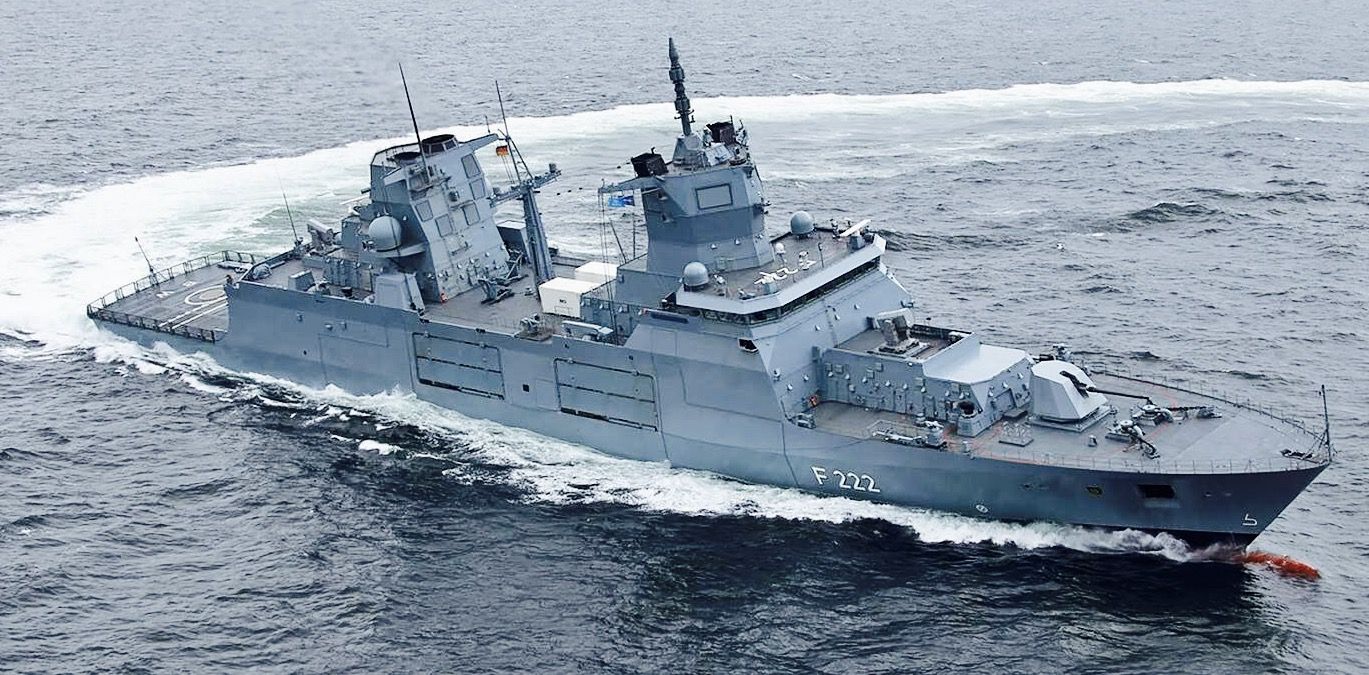
F125 Baden-Wurttemberg Class Frigate
The German F125 Baden-Wurttemberg Class frigate was designed as a multipurpose naval platform capable of engaging the most advanced enemy warships at sea, operating away from home ports for up to two years and ferrying marines to combat missions across the world - all with a crew half the size of its predecessor the Bremen Class. The 7,000 ton warships were designed with a heavy armaments including two RAM Block II surface-to-air missile launchers and eight RBS 15 MK4 attack missiles, as well as numerous machine guns and autocannons and a complement of two NH-90 twin engine multirole helicopters. The Baden-Wurttemberg Class is estimated to cost approximately $1 billion. Relative to other similar sized warships produced by the United States, Russia or China - the German platform is phenomenally expensive when considering its small size and limited capabilities. This gross inefficiency in costs of their weapons systems had become symptomatic of Western European weapons systems relative to their American and other alternatives.
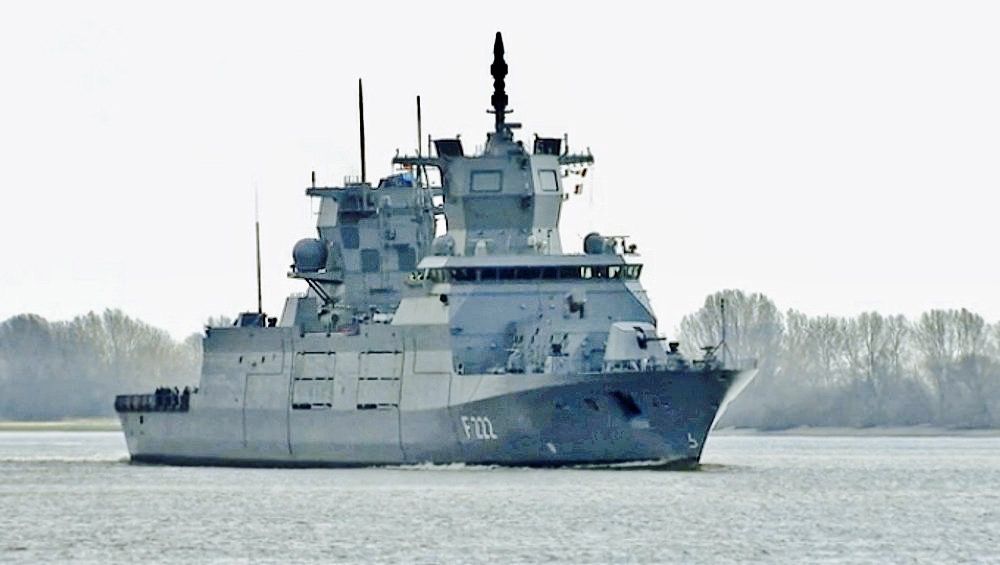
The first Baden-Wurttemberg Class frigate was delivered for sea trials in 2016, and despite its cost has overwhelmingly failed to meet expectations. The ship turned out to be dramatically overweight, seriously limiting its performance and increasing its operational costs. This also seriously hindered the Navy's ability to integrate future upgrades to the sparsely outfitted warship. Defence experts also cited numerous bugs in the frigate's software and its unsuitable armaments. Central computer systems key to facilitating a smaller crew failed the military's tests. The warship also had a 1,3 degree list to starboard. These were all indicative of a deeper malady in the German military - reportedly confusion among the country's leadership regarding the role of the armed forces the country's declining military expertise. As Christian Molling, a defence industry expert at the German Council on Foreign Relations, noted in regards to these phenomenon, German military procurement is “one hell of a complete disaster... It will take years to sort this problem out.” Molling further noted: "There’s a whole generation of German engineers who haven’t worked on a major defense project. It’s not that they lost this skill; they never learned it."
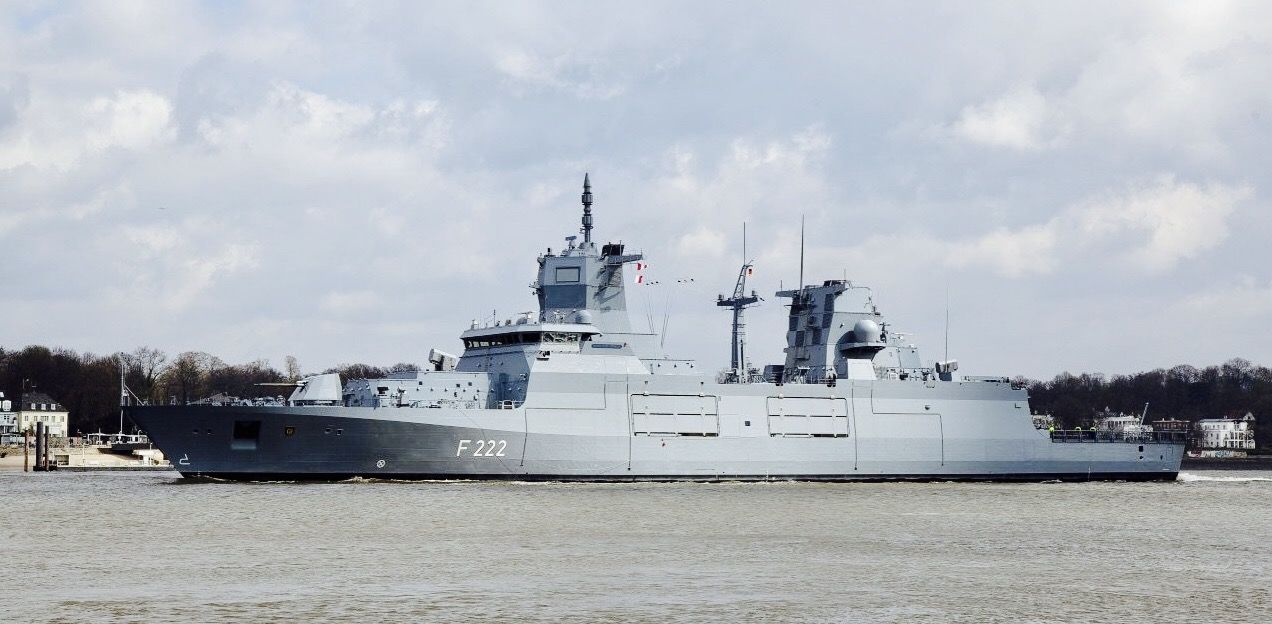
The magnitude of the platform's failure was indicated by the fact that it was the first time in the German Navy's history that it outright refused to commission a ship and instead returned it to its manufacturer. The F125's flaws were hardly unique when considering Germany's recent failed defence projects however. Shortly before the frigate's failure a contract to build a new helicopter similarly failed, a new rifle faced gross cost overruns and an ambitious drone project also proved a complete failure. As Ronja Kempin, defence industry expert at the German Institute for International and Security Affairs, noted: “These problems stem from Germany not having a strategic vision for its military." Ultimately Germany may with time and extra expenditures be able to fix design flaws in their new warship, or improve designs of future platforms of the class to eliminate the flaws of the first, but issues with the defence industry and procurement in general are set to remain. Whether it can eventually be made seaworthy or not, the F125's design indicates a lack of clarity regarding the role of Germany's armed forces and the kind of extreme costs symptomatic of Western European defence industries, making the class increasingly uncompetitive in the face of far more efficient competitors.
