
Germany’s First Modern Destroyer Program Cancelled After Years of Setbacks: What Made the F126 So Problematic?
Military Watch Magazine Editorial Staff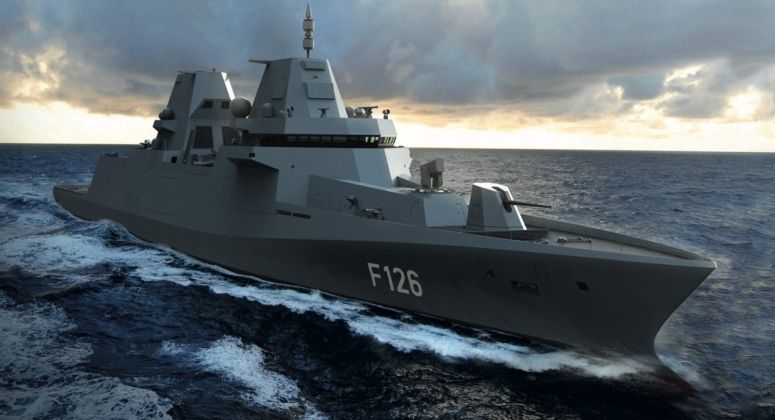
German F126 Frigate Concept Art
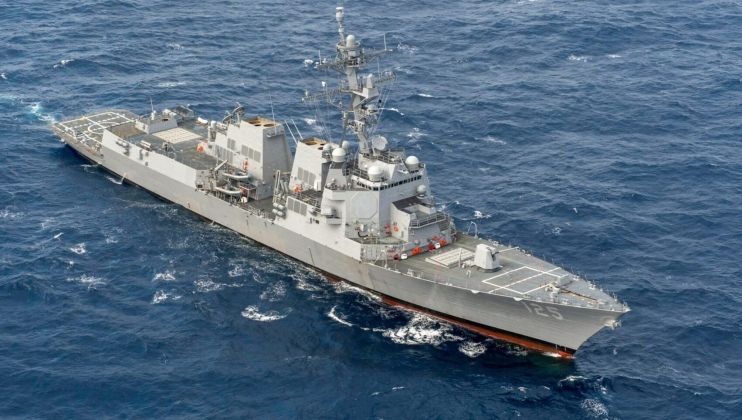
The German government has cancelled its largest naval shipbuilding program of the past 75 years, the F126 frigate program, with the country’s defence ministry confirming that this was a result of “significant delays, enormous cost increases, and incalculable risks.” The ministry revealed that cost overruns during development had raised the estimated cost per ship to 228 percent of initially estimated levels, to €3 billion ($3.38 billion) per vessel, which considering their relatively limited combat capabilities would make them some of the least cost effective surface combat ships in the world. The Chinese Type 055 class which is currently considered the world leader among destroyers, and the U.S. Arleigh Burke class which is considered by far the most capable in the Western world, both cost an estimated $1 billion to produce. Displacing 10,500 tons each, and measuring 166 metres from bow to stern, although F126 class ships were designated frigates, they were in effect Germany’s first destroyers of the post-Second World War era.
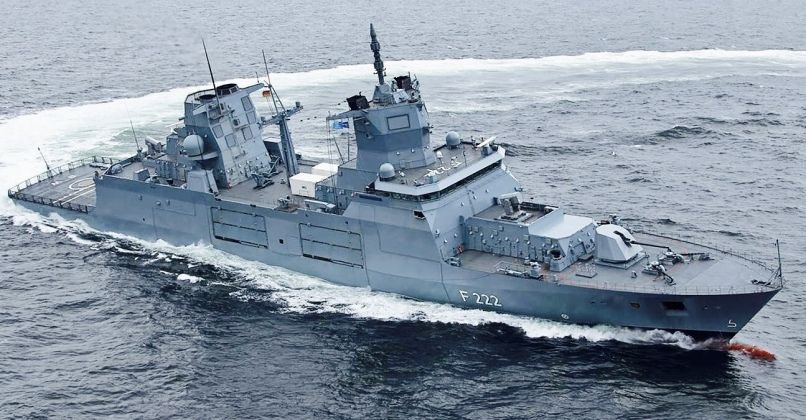
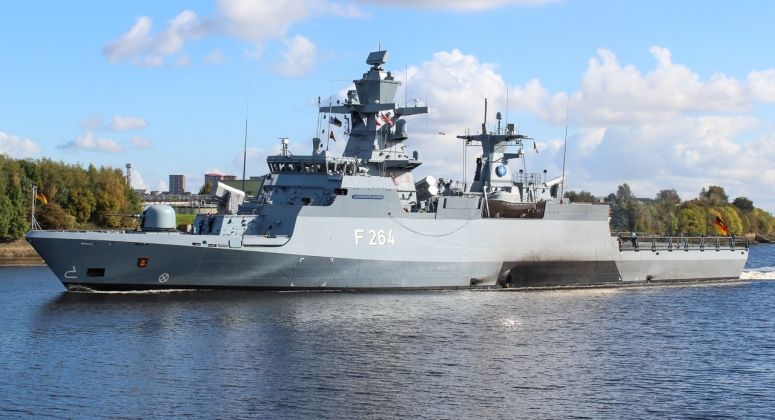
The F126 program was from its outset expected to suffer major delays, cost overruns, capability shortfalls, and industrial problems, with these concerns rooted in Germany’s record on major naval procurement programs over the past two decades. A major source of skepticism comes from the troubled development of the Baden-Wurttemberg class frigate. The lead ship failed initial acceptance trials in 2017 due to software, sensor, and stability issues and had to be returned to the shipbuilder for extensive corrective work. Although the class ultimately entered service, the delays reinforced concerns about Germany’s ability to manage highly complex warship programs. Critics also point to the Braunschweig class corvette program. The first batch suffered technical problems, while the second batch became embroiled in contractual disputes, schedule slippages, and political controversy. The lengthy procurement process raised questions about the efficiency of Germany’s defence acquisition system and its ability to rapidly deliver naval capabilities.
Issues with Germany’s shipbuilding industry have also affected the submarine sector. The Type 212 submarine program saw maintenance and availability problems became severe enough that at one point in 2017 none of Germany’s submarines were reported as fully operational. The issue was not primarily a design failure but highlighted broader weaknesses in sustainment, spare parts management, and defence procurement. Another factor driving skepticism is Germany’s broader defence procurement culture. The country has experienced difficulties in several high-profile military programs across different services, leading critics to argue that bureaucratic complexity, changing requirements, and political oversight often slow projects and increase costs. The F126 enters service in an environment where confidence in major procurement efforts has been weakened by past experiences.
The F126 program has been controversial in Germany and among naval analysts because it challenges traditional expectations of what a modern frigate should be. Critics argue that while the ship is exceptionally large and expensive, its combat capabilities do not always appear commensurate with its size and cost. One of the biggest controversies concerns the ship’s armament. At around 10,000 tons full load, the F126 is larger than many destroyers, yet its planned missile load is extremely modest compared with warships of similar displacement. With just 16 vertical launch cells planned, this would compare poorly to the Arleigh Burke class’ 96 cells, the Type 055 class’ 112 cells, or even the 74 cells on North Korean Choe Hyon class frigates with are less than half the size of the German vessel. Furthermore, the frigate would lack the versatility of deploying combinations of cruise missiles and air defence missiles as ships from the U.S., Russia and Northeast Asia do, with the F126 having been planned to exclusively integrate surface-to-air missiles.
The F126 program's selection process itself also proved controversial. The contract was awarded to the Dutch shipbuilder Damen Group, leading to political debate in Germany about whether such a major defence contract should have gone to a foreign-led consortium. Although much of the construction work takes place in German shipyards, the decision sparked concerns regarding domestic industrial policy and the future of Germany's naval shipbuilding sector. There have also been concerns about survivability and combat resilience. Because the vessel was designed with long-duration deployments and low personnel requirements in mind, some analysts have questioned whether its relatively small crew could effectively conduct damage control after sustaining combat damage.
