German Special Forces Deeply Revise Training for War With Russia
Military Watch Magazine Editorial Staff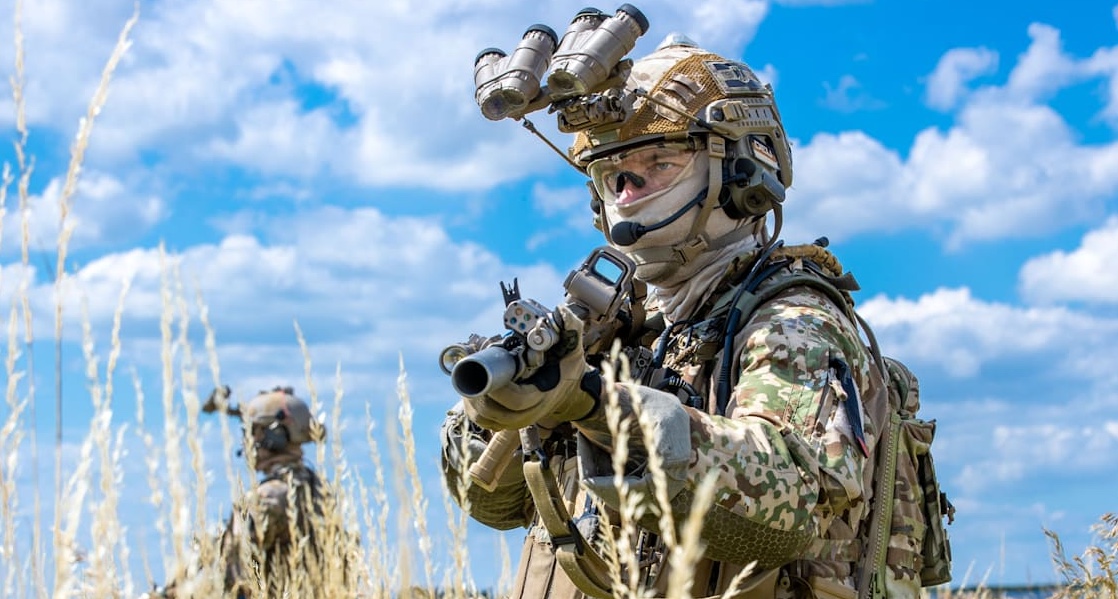
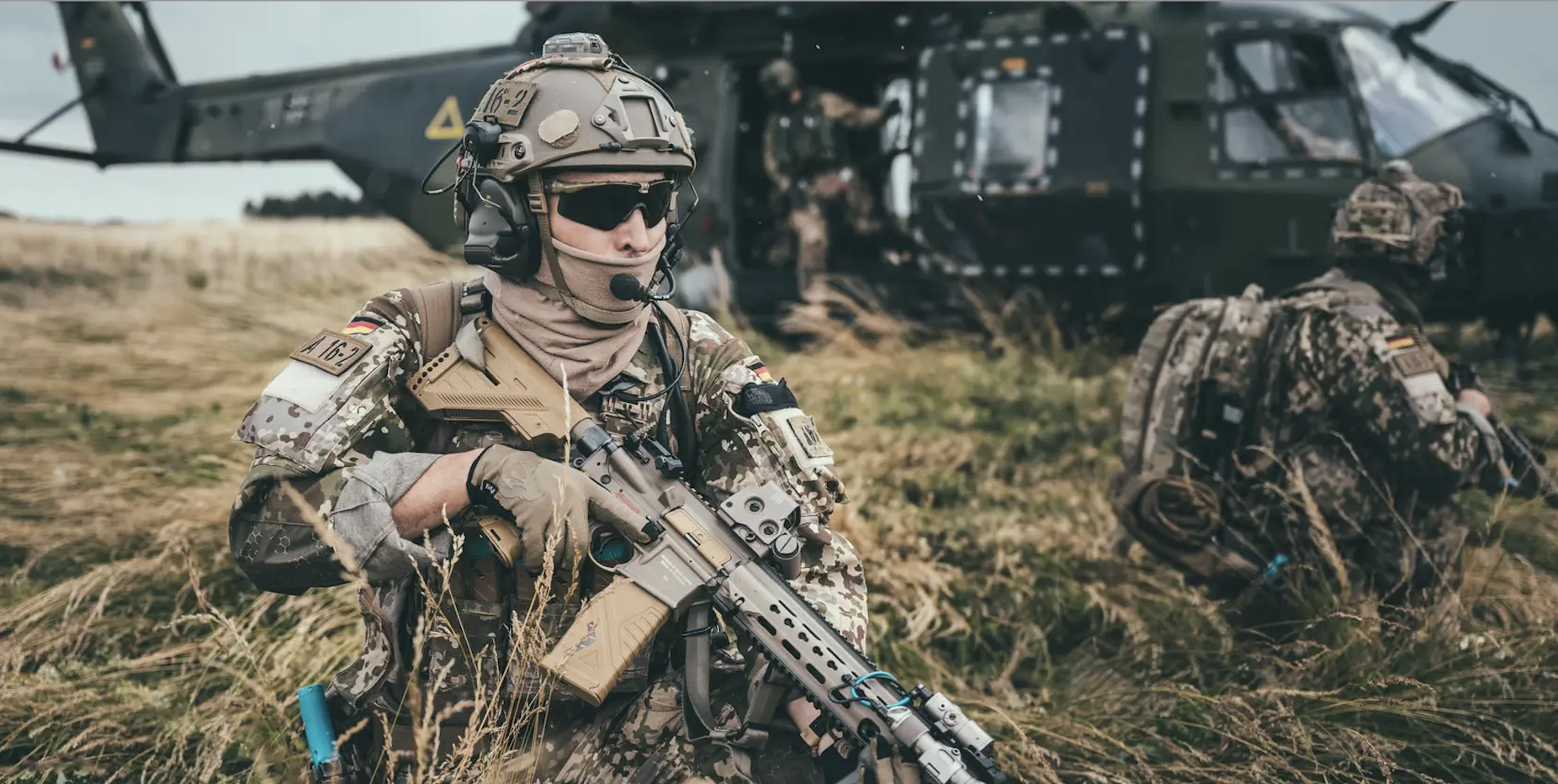
German Kommando Spezialkrafte Special Forces Personnel
Germany’s elite special forces unit, the Kommando Spezialkrafte (KSK), is revising its training to prepare for a potential military confrontation with Russia, according to the unit’s commander, Brigadier General Andreas Kuhne. In an interview with German newspaper Bild, Kuhne said the unit was now explicitly preparing for an adversary represented by Russia, with a greater emphasis on prolonged operations against a conventionally equipped military. The changes reflect a shift from missions lasting only a few days towards extended deployments in demanding battlefield conditions.
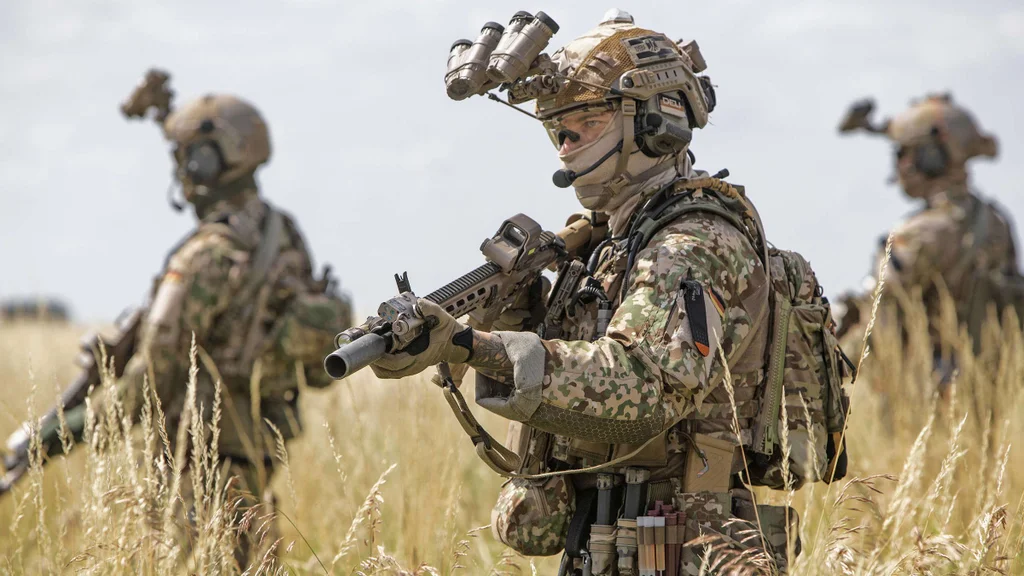
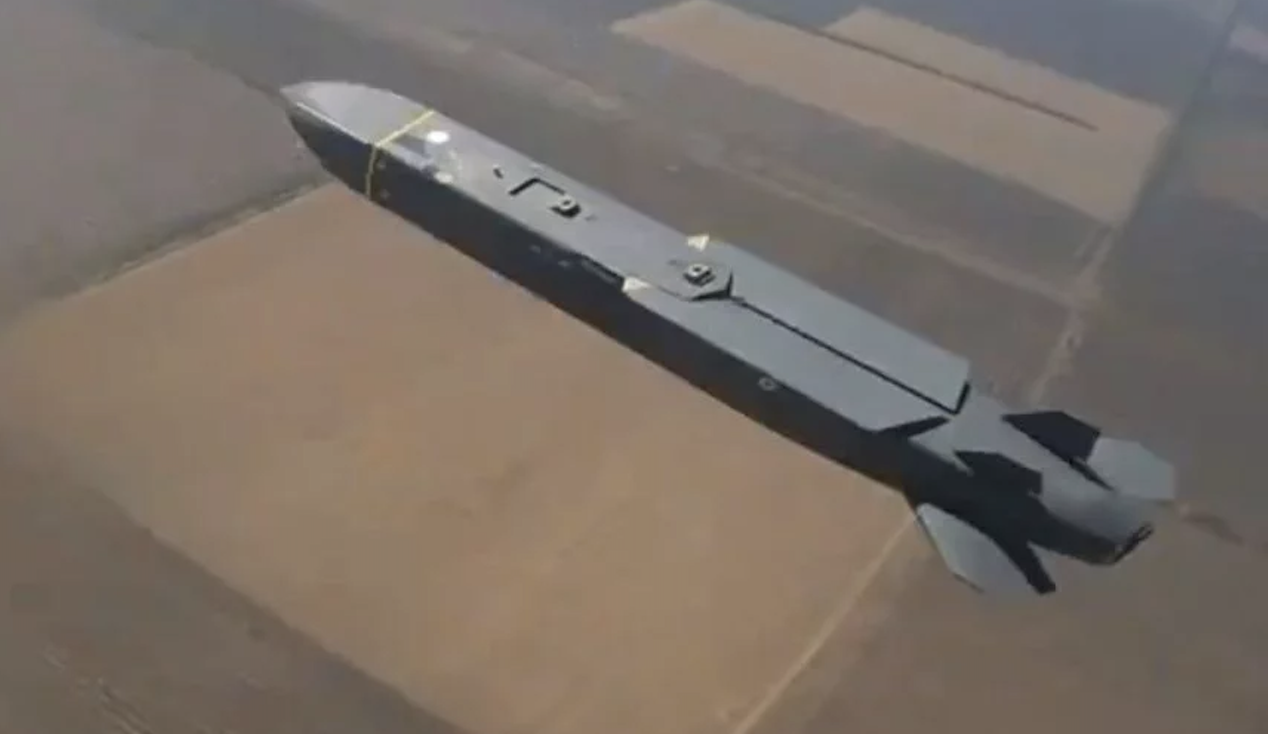
NATO members’ special forces have played significant roles in the ongoing Russian-Ukrainian War, and have likely shared their experience among allies. One of the first confirmations of this was provided by British Deputy Chief of Defence Staff Royal Marines Lieutenant General Robert Magowan in December 2022, when he revealed that the Marines had been carrying out high risk operations alongside Ukrainian government forces from April that year. In January 2024 then German Chancellor Olaf Scholtz confirmed that British special forces on the ground in Ukraine were providing vital support to facilitating launches of Storm Shadow cruise missiles against Russian targets. Polish special forces have also played central roles from the outset of hostilities. It is expected that revisions to training will be deeply influenced by lessons from the conflict.
Elaborating further on changes to KSK operations, Brigadier General Kuhne said that operations had previously been planned to last approximately three days, after which personnel could return to base. In a conflict on NATO’s eastern flank, however, commandos could be required to remain in the field for considerably longer periods, potentially without a predictable return to established facilities. Training is being adapted to prepare personnel to operate in extreme cold and against forces equipped with tanks, artillery, drones and electronic warfare systems. The unit is also preparing to operate ahead of Germany’s conventional forces in the event of a crisis in the Baltic region. Kuhne said KSK personnel should have completed their initial tasks by the time the Bundeswehr’s 45th Armoured Brigade in Lithuania begins moving for a potential conflict. He described a readiness target under which commandos could be aboard an aircraft in Stuttgart within four hours, carrying the equipment required for their missions.
The KSK has approximately 1,500 personnel, although only around one-third are special forces operators. Kuhne said the unit was operating at roughly 70–80 per cent of its intended staffing level, while selection remained highly demanding, with approximately 15 per cent of candidates passing. The possibility of expanded military service in Germany could increase the pool of personnel eligible to apply. The unit’s revised training comes amid wider German efforts to strengthen preparations for a potential confrontation with Russia The 45th Armoured Brigade, which Germany is establishing in Lithuania, forms a central part of Berlin’s commitment to a forward presence on Russia’s borders. The German Army on May 22 inaugurated the 45th Armoured Brigade in Vilnius, which is expected to provide an elite forward deployed mechanised warfare capability on the territory of the former USSR. Located just 150 kilometres from the Belarusian capital Minsk, and less than 800 kilometres from Moscow, this previously unthinkable forward deployment reflects part of a broader trend of Germany playing a much larger role within NATO.