
General Electric’s Mach 10+ Dual Ramjet Space Plane Concept May Transform U.S. Strategic Bombing
Military Watch Magazine Editorial Staff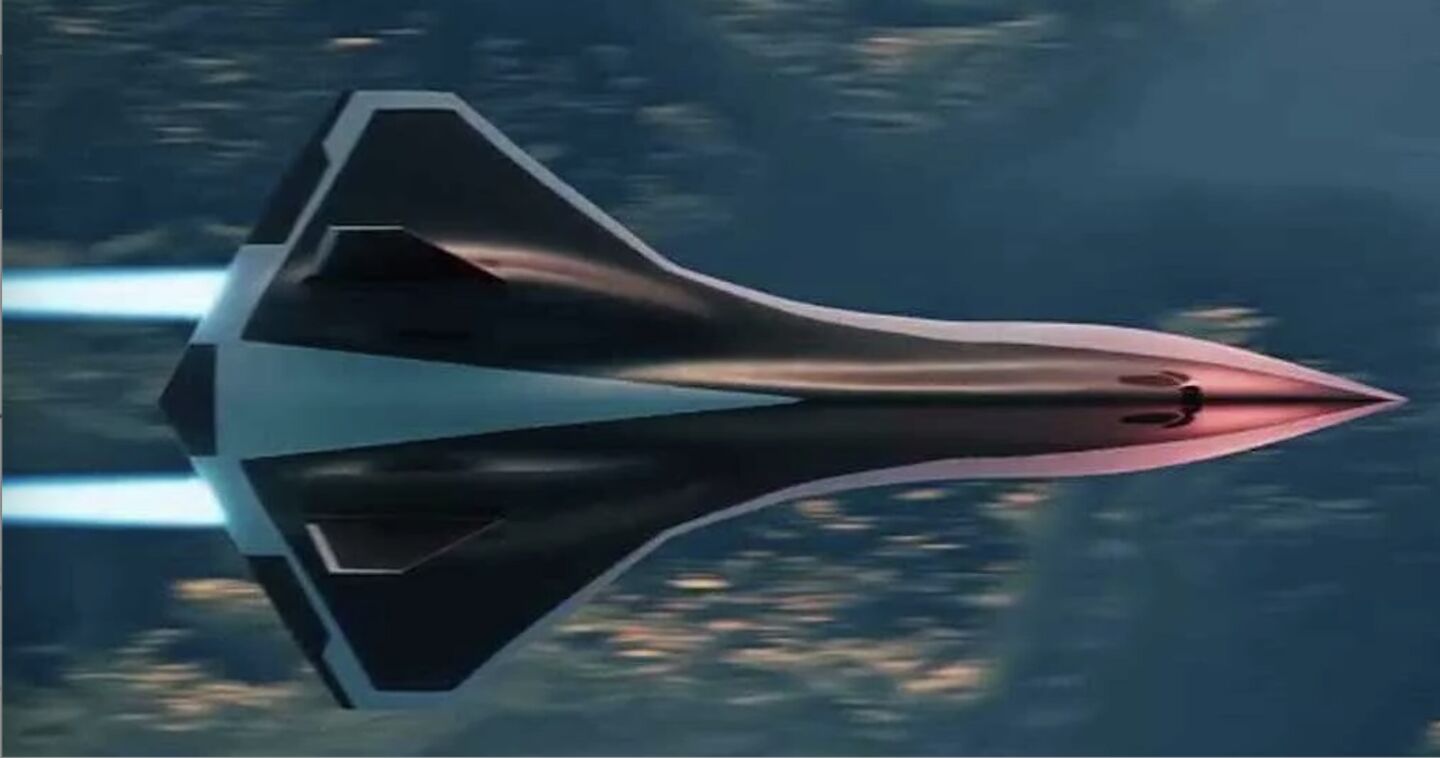
General Electric High Speed Reconnaissance Aircraft Concept Art
General Electric Aerospace has provided a glimpse of what could eventually become one of the most radical American military aircraft concepts since the 1960s, showcasing a futuristic hypersonic aircraft powered by its dual-mode ramjet technology. A video released by General Electric Aerospace in 2025 depicted a sleek high-speed aircraft accompanied by the slogan, “Everything seems impossible…until it isn’t,” prompting speculation that the company could be envisioning an aircraft capable of operating at speeds far beyond those achieved any existing military aircraft. The firm has invested heavily in hypersonic propulsion, and has demonstrated increasingly sophisticated dual-mode ramjet technology.
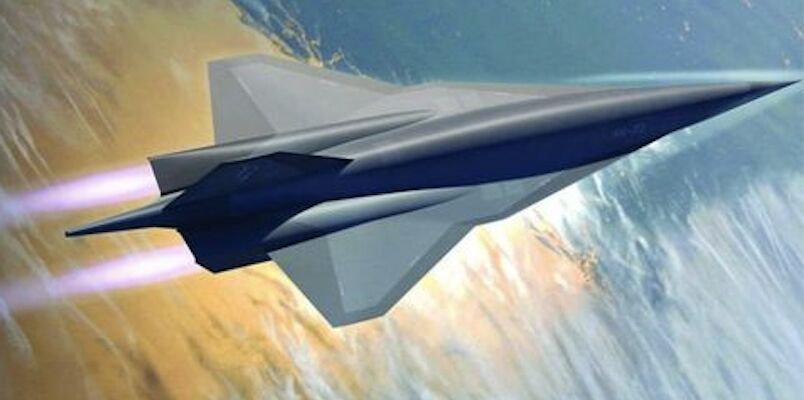
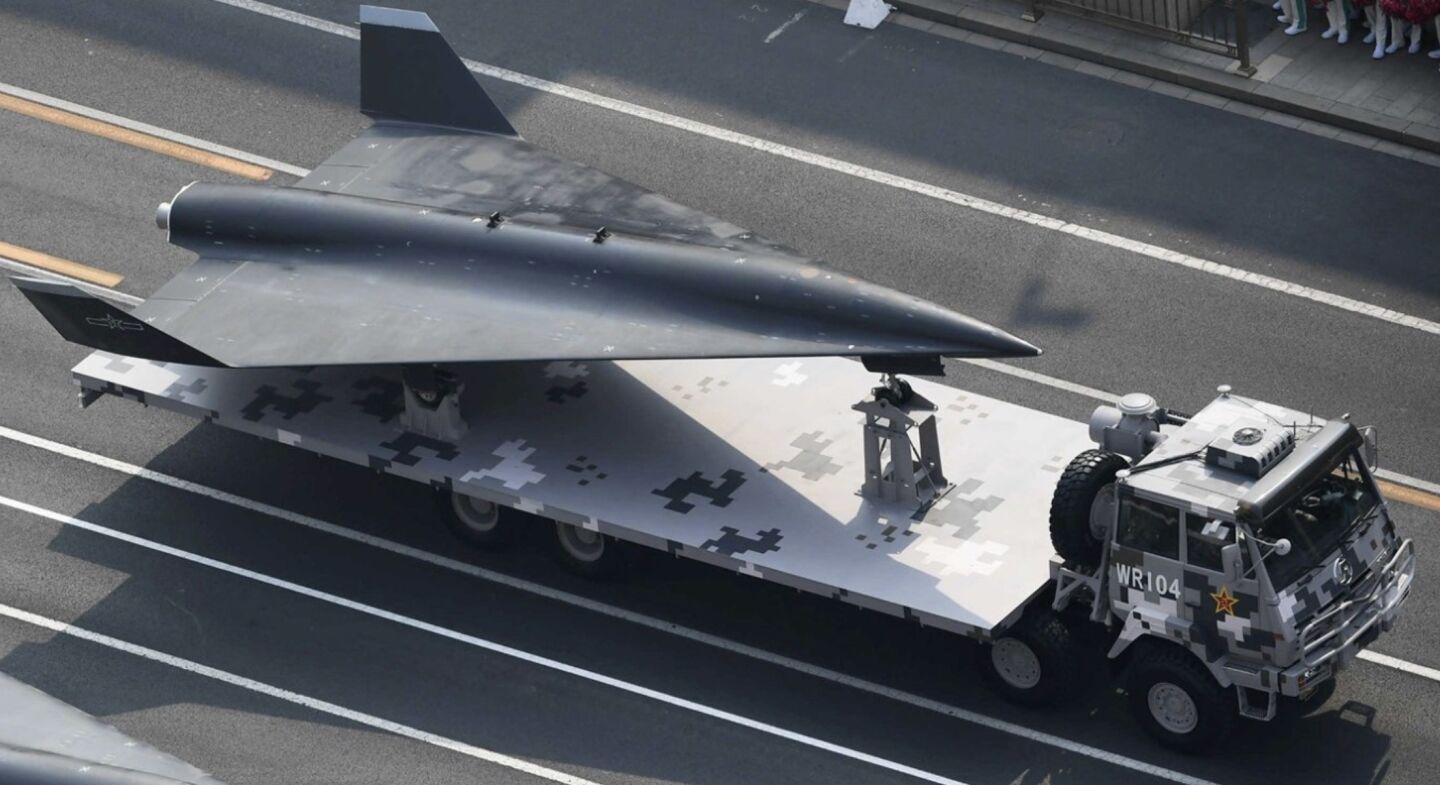
General Electric has not announced that it is developing a production aircraft corresponding to the concept shown in the video, although its work could eventually provide a propulsion foundation for a reusable high-speed aircraft capable of conducting reconnaissance, strike and potentially space-access missions. The significance of the concept lies less in the particular aircraft depicted than in the propulsion technology behind it. General Electric Aerospace has spent more than a decade developing rotating detonation combustion (RDC), high-temperature materials, thermal-management systems and other technologies intended to overcome the fundamental problems associated with sustained hypersonic flight. China’s WZ-8 surveillance drone is currently the world’s only known operational hypersonic aircraft.
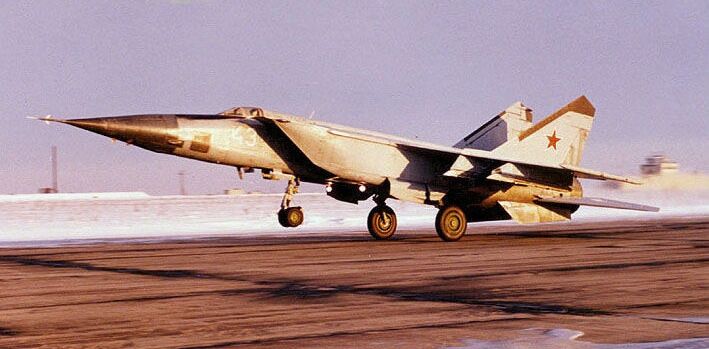
The most interesting implication of General Electric’s technology is that a new very high speed high altitude aircraft may have radically new missions. During the Cold War, the fastest U.S. aircraft the CIA A-12 and Air Force SR-71 were relied on solely for intelligence collection. A modern hypersonic aircraft could potentially combine reconnaissance with electronic intelligence, communications, targeting and strike missions. This would be far from unprecedented, with the Soviet MiG-25, which operated at comparable speeds and altitudes to the SR-71, having had interceptor, bomber and reconnaissance configurations, and near the end of the Cold War also a specialised air defence suppression variant.
At Mach 10, an aircraft could potentially cross enormous distances in a fraction of the time required by conventional aircraft. A sufficiently long-range platform could therefore operate across intercontinental distances while dramatically reducing the time available to an adversary to detect, identify and respond to it. This could make a hypersonic aircraft particularly attractive for penetrating highly defended environments. Rather than depending exclusively upon stealth to remain undetected, an aircraft could combine reduced observability with extreme speed and altitude. The concept could also change the meaning of a strategic bomber. Traditional bombers depend upon large payloads, long endurance and increasingly sophisticated stealth characteristics. A hypersonic strike aircraft could instead emphasise speed, rapid global reach and the ability to approach a target from an unexpected direction.
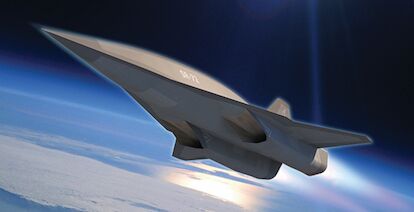
The possibility of developing a high speed space aircraft for strategic bombing missions would change the geography of air power. Conventional bombers require hours to reach distant targets, while ballistic and cruise missiles provide much faster options but are expendable. A reusable hypersonic aircraft could theoretically combine some of the speed of missiles with the recoverability of aircraft. That combination would be extraordinarily difficult to achieve—but precisely for that reason it represents an attractive objective for experimental aerospace programs. Nevertheless, even if operating at Mach 10 speeds significant questions do remain regarding the survivability of such aircraft, with new generations of Chinese and Russian air defences such as the Chinese HQ-29 being well optimised to engage targets at speeds of well over Mach 10, and at extreme altitudes.
