
Full Scale F-35 Production Further Delayed: Fighter Suffers More Breakdowns Than Expected - Pentagon
Military Watch Magazine Editorial Staff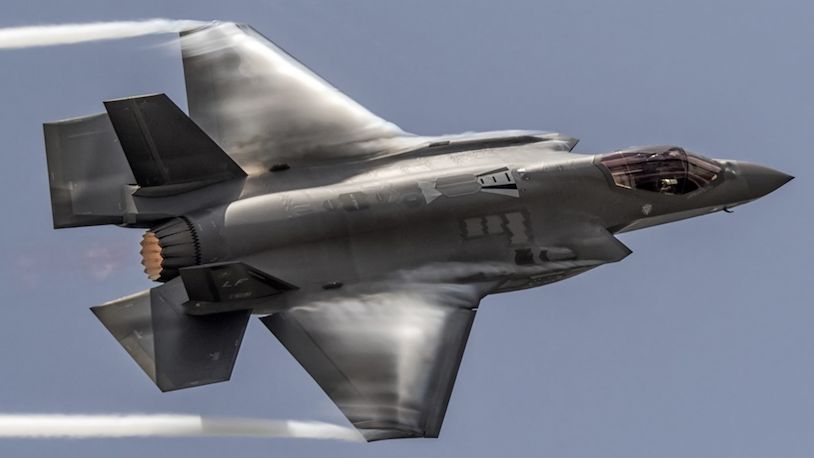
F-35 Fifth Generation Stealth Fighter
The F-35 fifth generation single engine fighter has faced further delays in its entry into frontline service after the Pentagon denied Lockheed Martin permission to begin full scale production of the jet. While the F-35A and B variants entered service in 2015 and 2014 respectively, they are considered far from fully combat ready with several bugs in the design having yet to be fixed among other major issues. The Pentagon’s leading weapons tester Robert Behler noted that the F-35 was still far from fully combat ready, particularly highlighting the fact that all variants of the platform suffered from low reliability and were prone to breakdowns more often than previously anticipated. With the fighter program facing considerable delays already, a postponement of full scale production by at least a year comes as a serious blow to plans by the U.S. and its allies to widely deploy the platform.
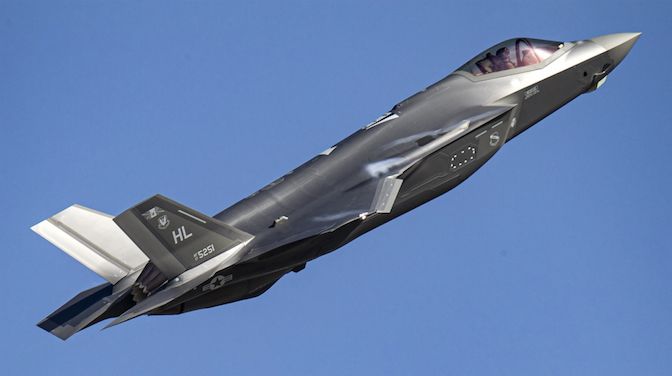
While Lockheed Martin's F-35 Programme Manager Greg Ulmer notably voiced his disagreement with the Pentagon’s assessment, the military ultimately had the final say over the company’s production schedule. The Pentagon has previously had significant disagreements with Lockheed Martin over the quality of F-35 fighters delivered, their prices and the program's production schedule. Orders for alternative fighters from Boeing, namely the similarly priced F-15X, and the upcoming induction of next generation aircraft under programs such as the Air Dominance Fighter, are thought to have placed further pressure on the world’s largest defence manufacturer to comply. Approximately 3,500 F-35 fighters are planned for entry into service in three branches of the U.S. Military and over a dozen NATO and non-NATO allied states. The aircraft boast next generation sensors, electronic warfare systems and stealth capabilities but are frequently faulted for overcomplexity, low sortie rates, excessive maintenance requirements, low reliability and a limited aeronautical performance.
