
Franco-German Joint Tank Program Faces Collapse Following Delays and Disputes
Military Watch Magazine Editorial Staff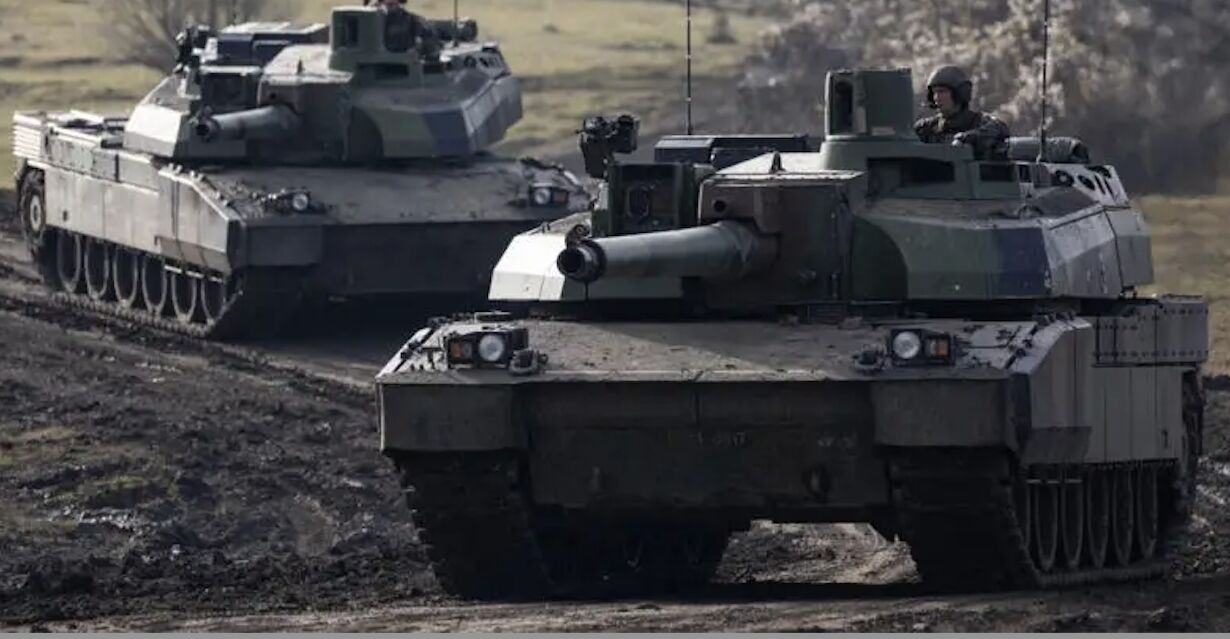
French Army Leclerc Tanks
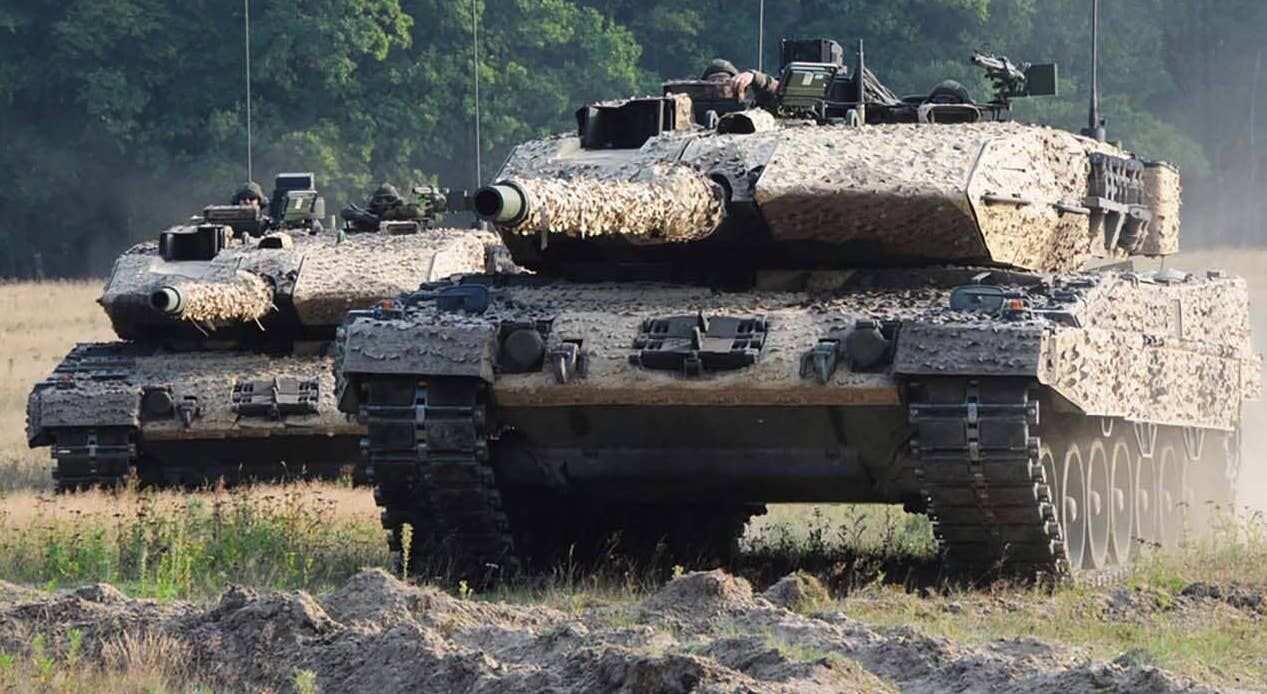
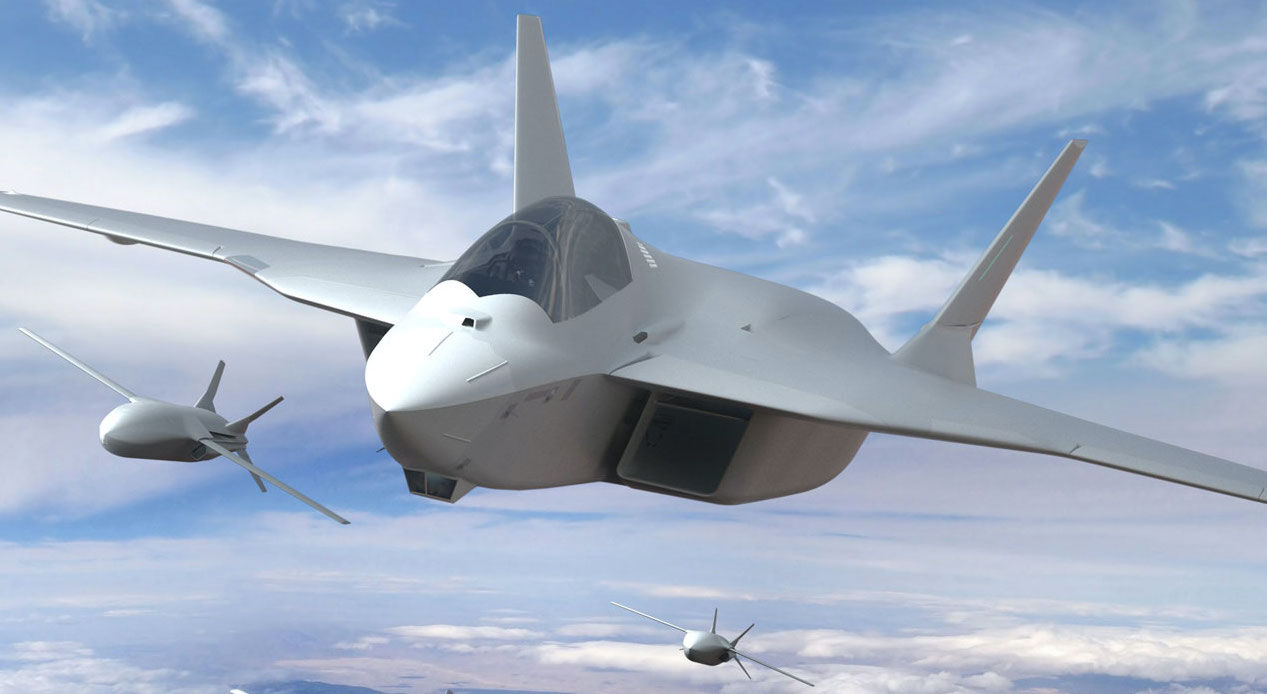
France and Germany have publicly contradicted each other over the future of their joint Main Ground Combat System (MGCS) program, with senior French military officials accusing Berlin of abandoning plans to develop a common next-generation main battle tank. The dispute threatens to bring an end to one of Europe’s most ambitious armoured vehicle development projects, which was intended to replace France’s Leclerc and Germany’s Leopard 2 tanks. Although Berlin insists that cooperation remains in place, the program has been substantially scaled back, with the two countries increasingly focused on developing technologies that could be used across separate national combat vehicle fleets. The disagreement comes only months after the collapse of the Frenc and German led Future Combat Air System (FCAS) pan-European stealth fighter program, raising further questions about the viability of major collaborative European weapons projects.
French Chief of Defence Staff General Fabien Mandon addressed the tank program’s deteriorating prospects during a hearing before the French National Assembly’s defence committee on October 8. He told lawmakers that France had hoped to develop a future tank in cooperation with Germany but had to acknowledge that the German side had decided to withdraw. Mandon characterised the outcome as disappointing and argued that the two countries’ military leaderships had already established common requirements for the future vehicle, suggesting that the obstacles were now primarily political and industrial rather than operational. His remarks represented one of the clearest public indications that Paris no longer expected the original joint tank to proceed as planned.
Berlin rejected the suggestion that it had abandoned the program. A German Defence Ministry spokesperson stated that France and Germany had agreed to adjust the MGCS initiative to incorporate lessons from Russia’s war against Ukraine, but insisted that this did not mean the project had failed. Germany remained committed, the spokesperson said, to an equal partnership focused on future technologies for armoured warfare. The apparent contradiction reflects a distinction between maintaining cooperation on selected technologies and continuing with the original ambition of producing a common tank platform. France’s criticism concerns the apparent abandonment of the latter, while Germany emphasises the continued existence of the broader research and development effort.
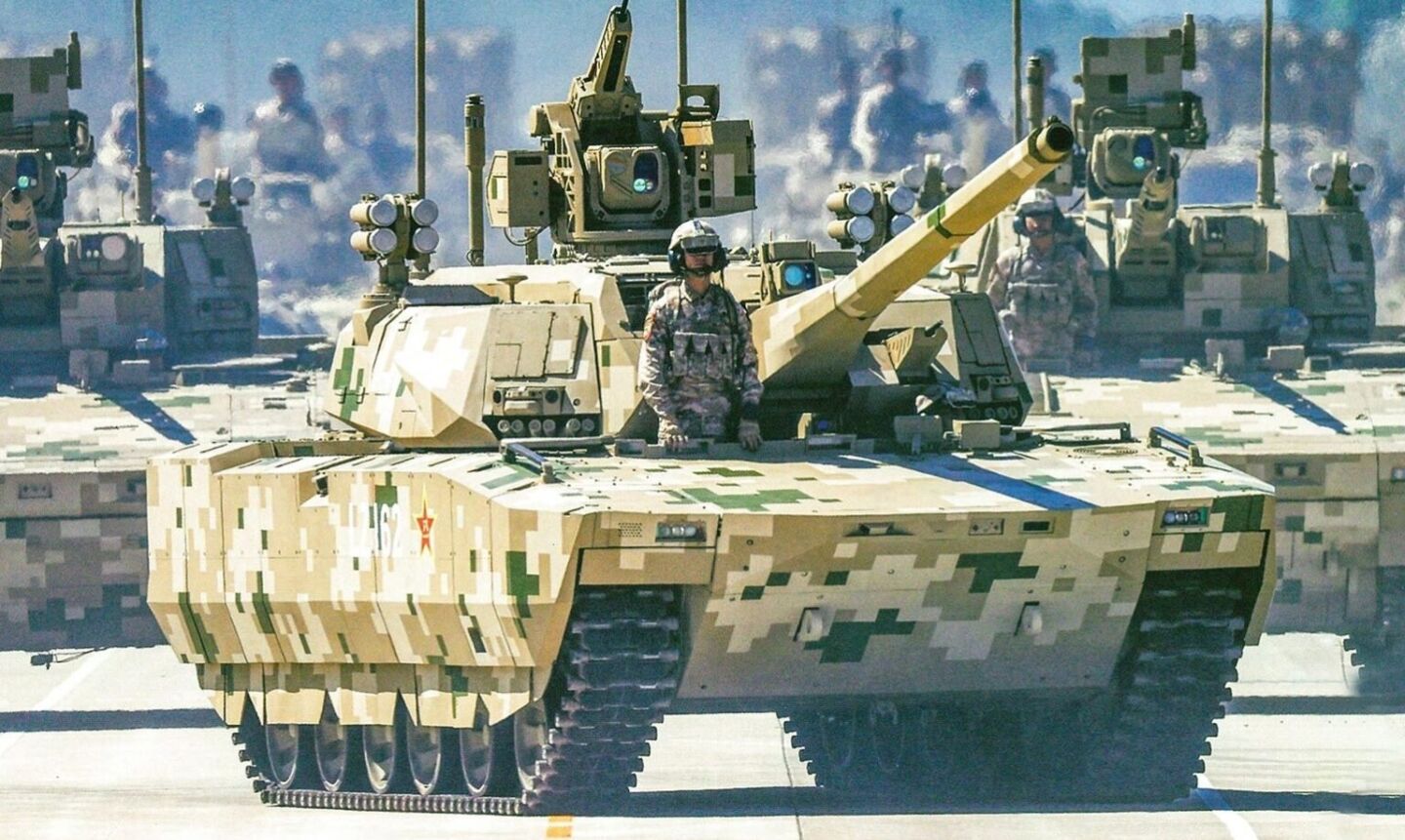
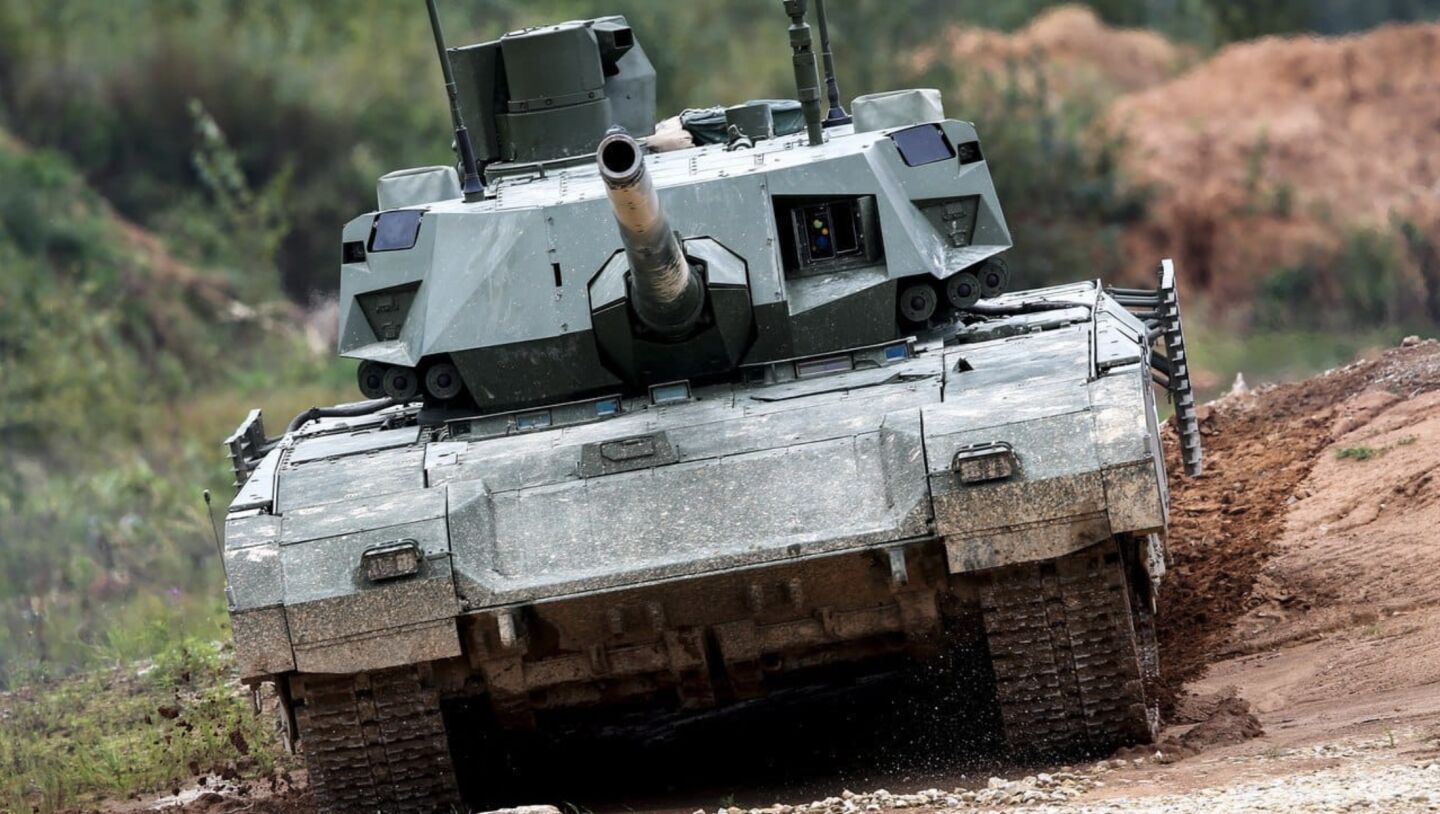
European tanks are already considered significantly behind the cutting edge, with Israel, South Korea, North Korea, Russia, and China having remained far ahead in integrating indigenous active protection systems, which have proven invaluable in the Ukrainian theatre. The South Korean K2 has provided a significantly superior NATO-standard superior to the German Leopard 2, which is currently Europe’s only tank type in production. The Chinese Type 100 entered service in 2025 as the world’s first tank of the next generation, and is expected to be followed by the less ambitious but still highly advanced U.S. M1E3, the South Korean K3, and possibly the Russian T-14. Delays to the development of the MGCS are expected to further contribute to leaving Europe’s defence sector further behind.
The MGCS programme was initiated in 2017, and was intended to create a family of interconnected platforms rather than a single vehicle operating in isolation. The main battle tank would form the centre of a wider force that could include supporting armoured vehicles, uncrewed systems and other specialised capabilities with shared digital architecture and communications. The program’s industrial structure has been a persistent source of difficulty. The project was initially centred on KNDS, the Franco-German defence group formed through the combination of France’s Nexter and Germany’s Krauss-Maffei Wegmann. Rheinmetall, another major German defence manufacturer, joined the program in 2019. France’s Thales also became involved in the wider industrial effort, contributing expertise in electronics and defence systems.
The joint development arrangement was highly complex, and saw companies from both countries seeking meaningful roles in the development and production of the programme’s major components. The distribution of industrial work was especially sensitive because a program of this scale would support manufacturing, engineering and supply chains for decades. Decisions over which company would develop the main gun, turret, chassis, sensors and other major components would influence not only the design of the tank but also the allocation of revenue and industrial employment. Disputes over workshare had already delayed the program before its technical direction and schedule became more contentious. The uncertainty surrounding the program is particularly significant for France because the Leclerc fleet is approaching the point at which a successor must be prepared, with the country having no new tank types in production.
