Footage Confirms Russian Su-35 Fighters’ Transition to Fully Modernised Air-to-Air Missile Arsenal
Military Watch Magazine Editorial Staff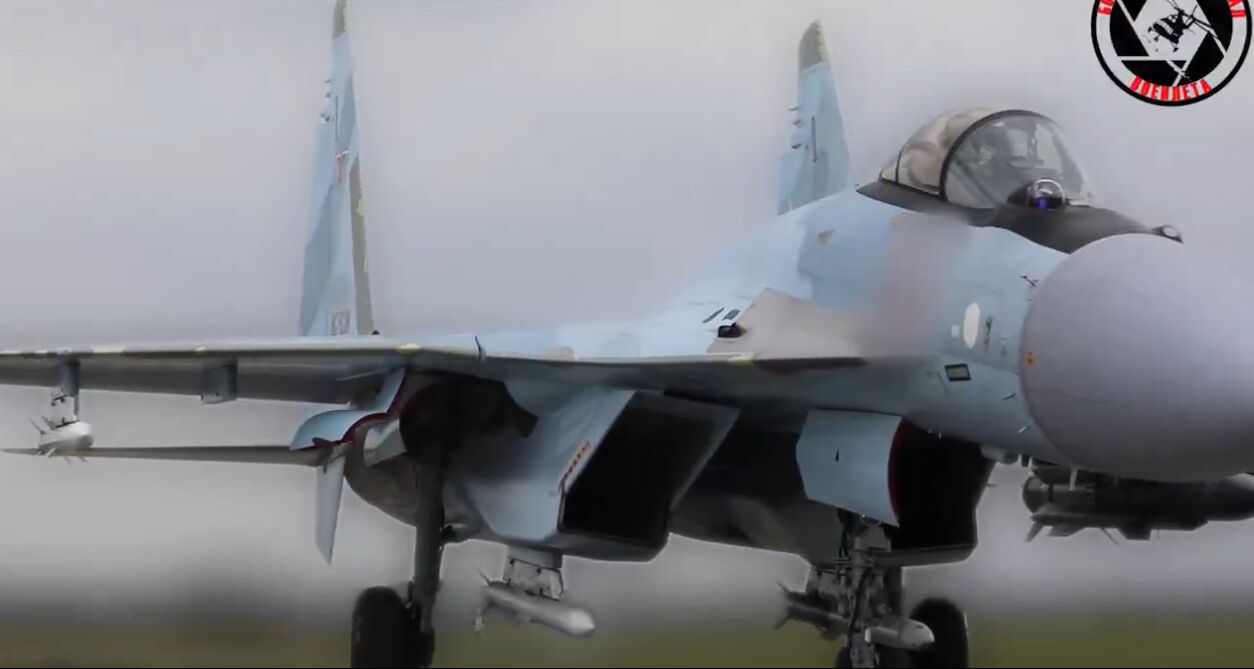
Su-35 with R-77M Air-to-Air Missiles
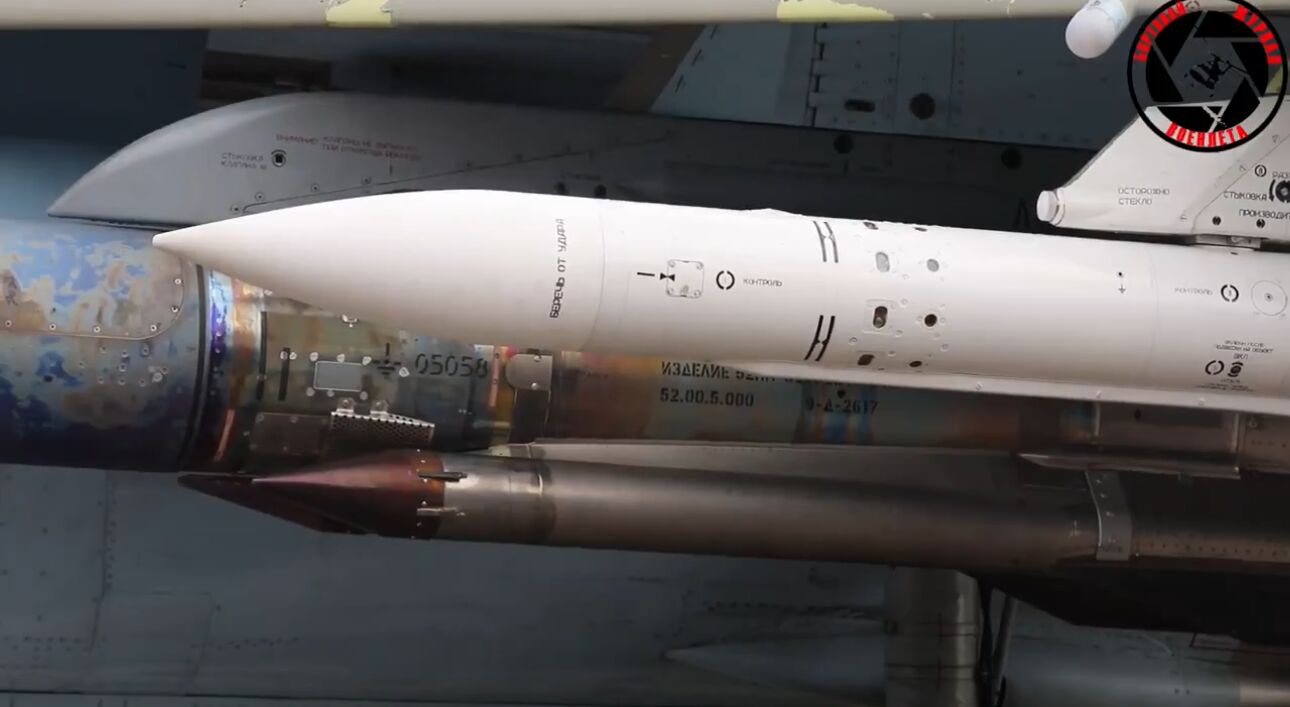
New footage of a Russian Aerospace Forces Su-35 air superiority fighter operating in the Ukrainain theatre has shown the integration of R-77M radar guided air-to-air missiles, and the fully phasing out of the older R-77-1 and R-27 which have been the aircraft’s primarily weapons since it entered service in 2014. The R-77M represents a more substantial redesign than the designation might suggest, and introduces redesigned aerodynamic control surfaces, an improved propulsion system and a revised guidance configuration intended to enhance performance against manoeuvring targets at long range. Its development is also closely associated with the requirements of Russia’s Su-57 fifth generation fighter. Russia has lagged significantly behind China, the United States, and even European states in introducing new generations of air-to-air missiles into service, with the R-77-1 having lagged far behind missiles such as the Chinese PL-15 and U.S. AIM-260 in performance.
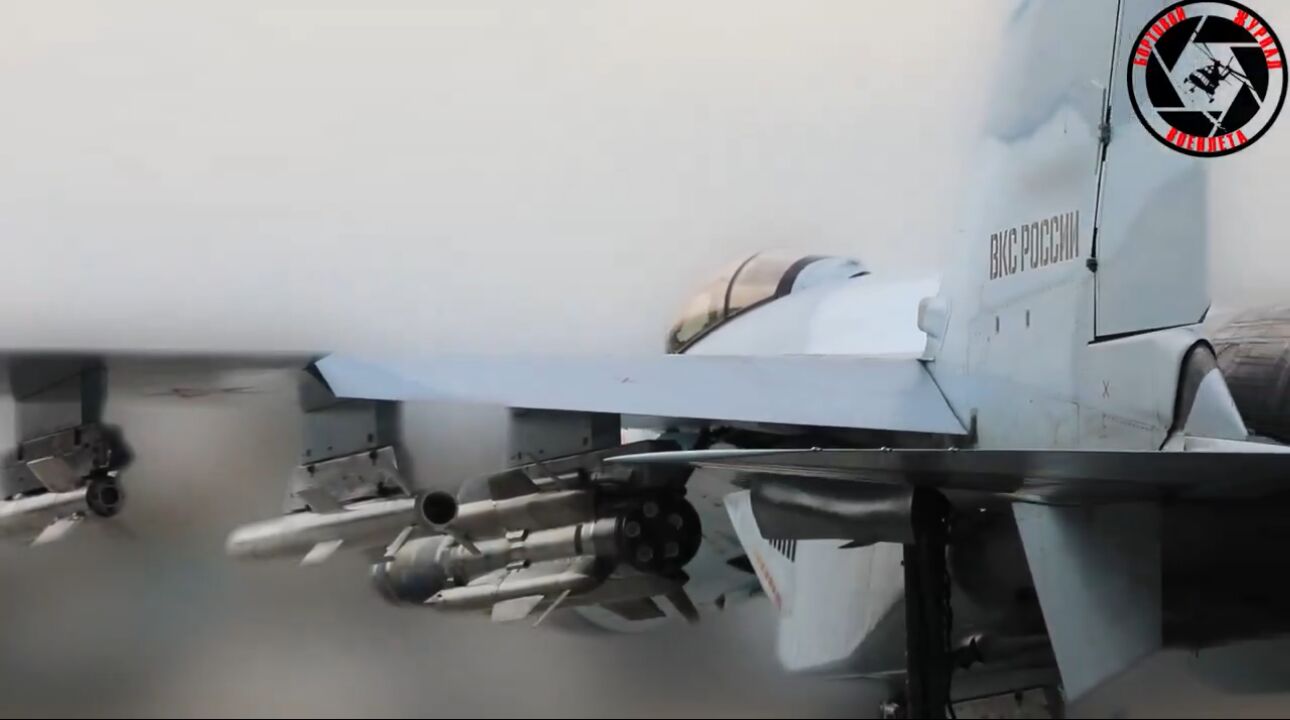
The Russian Aerospace Forces have for the first time been confirmed to have operationalised the R-77M in July 2025, when the missiles were seen integrated onto Su-35s in active service. The fighters at the time carried mixed arsenals of R-77M and R-77-1 missiles, indicating limited availability of the former. One of the most visible differences is the replacement of the R-77-1’s distinctive lattice tail fins with conventional cruciform control surfaces. The redesigned fins reduce the missile’s external dimensions in key areas and are compatible with the internal weapons bays of the Su-57, helping the aircraft preserve its low-observable characteristics when carrying air-to-air weapons. The configuration also changes the missile’s aerodynamic characteristics, although its overall performance depends on the interaction between its propulsion, control surfaces, guidance system and flight profile. The R-77M’s development therefore provides benefits beyond simply extending the range of the earlier missile.
The propulsion system is another important area of improvement. The R-77M is widely reported to use a dual-pulse solid-propellant rocket motor, allowing thrust to be delivered in two stages rather than relying exclusively on a single initial burn. This arrangement can help preserve energy during the later stages of an engagement, when a missile must retain sufficient speed and manoeuvrability to intercept a target that may be attempting to evade. The benefit is particularly relevant to long-range engagements, in which a missile can lose substantial energy during its flight before reaching the target area. Published estimates place the R-77M’s maximum range at approximately 190 kilometres, compared with around 110 kilometres for the R-77-1.
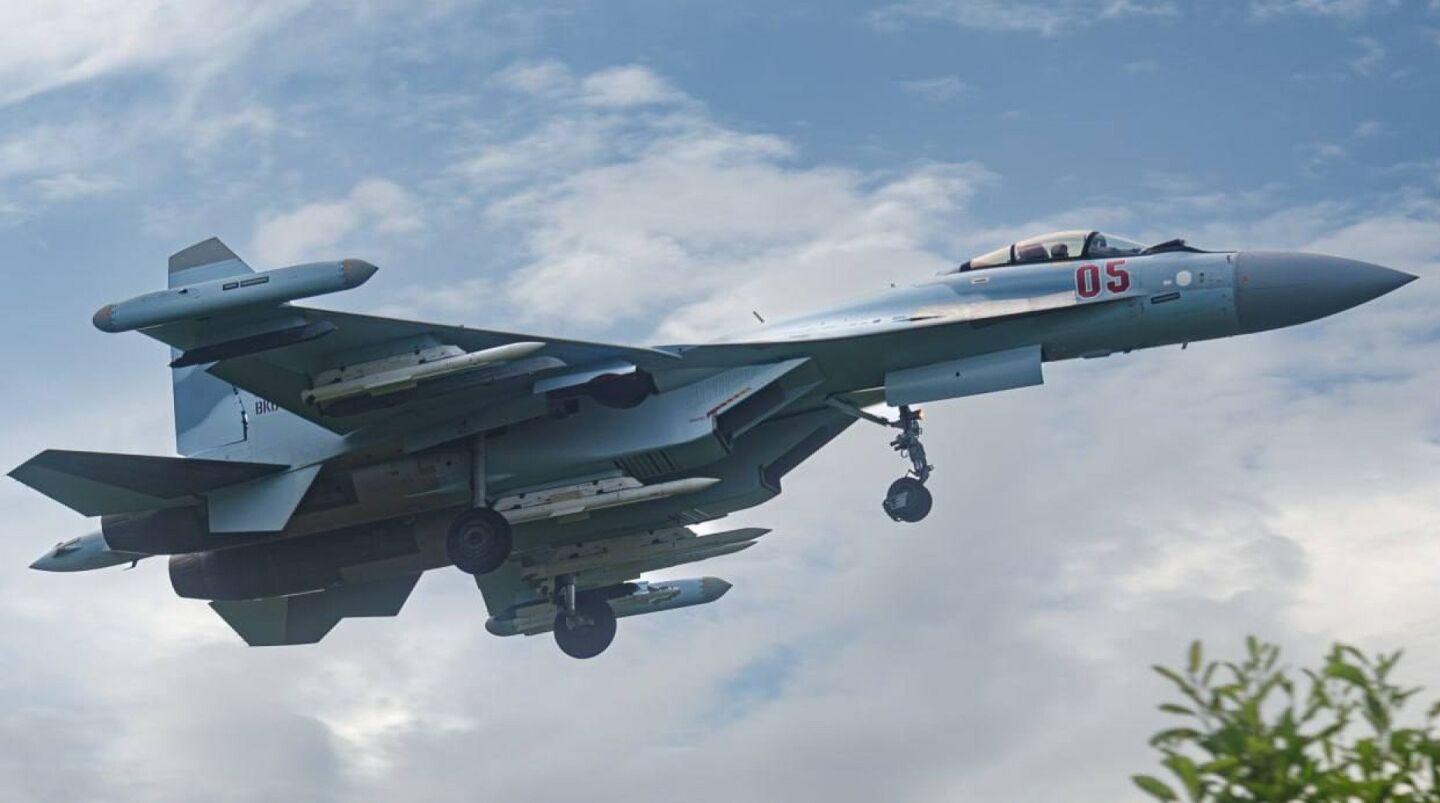
The Su-35 has been observed in multiple new configurations since operations in the Ukrainian theatre began. Footage released by Russian state media in March showed the aircraft equipped with much larger R-37M long range air-to-air missiles mounted centrally between the engines, one Kh-31PM anti-radiation missile, three R-77-1 medium-range air-to-air missiles, and three R-73/74 short-range air-to-air missiles, for a total of eight missiles. The aircraft were responsible for covering Army helicopters striking Ukrainian personnel and temporary deployment points. The Kh-31 continues to be prioritised even for fighters configured for air-to-air operations, as it provides a means of suppressing hostile radar-guided air defences, the positions of which are often difficult to predict.