
Footage Shows Russian and North Korean Forces Coordinating Closely in Side-by-Side Operations
Military Watch Magazine Editorial Staff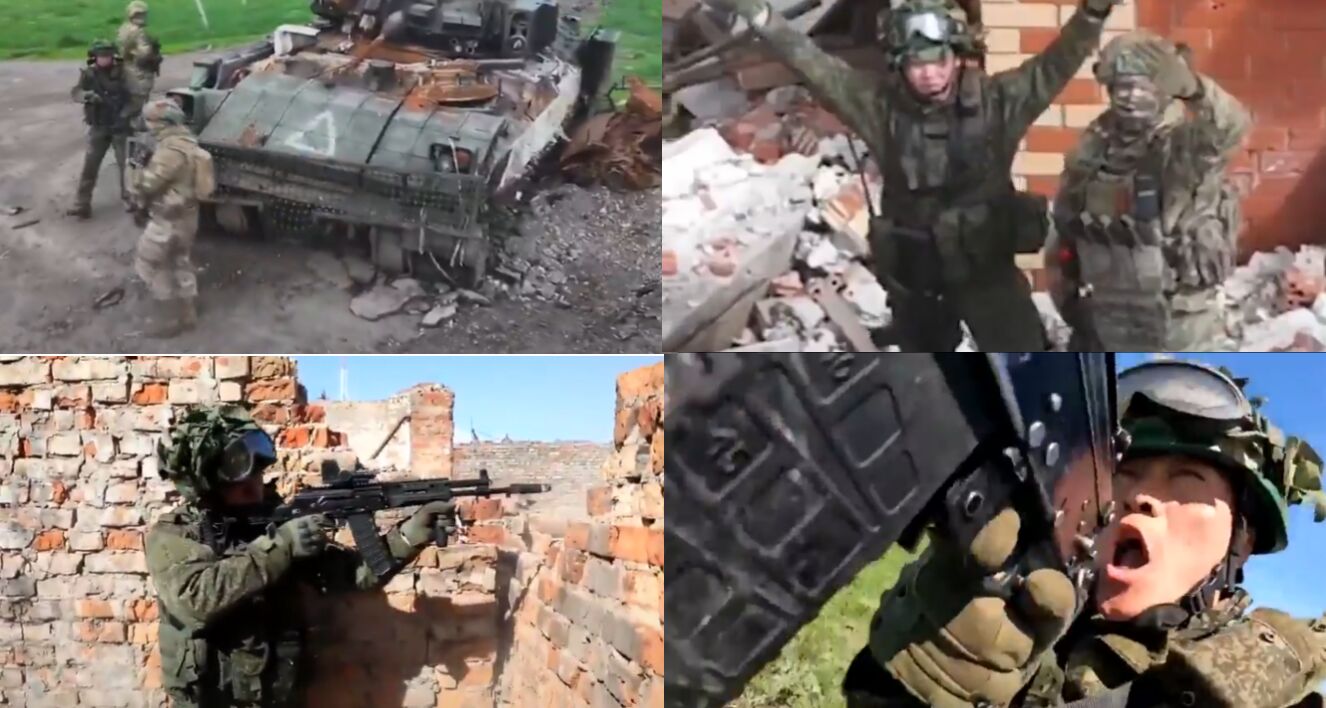
North Korean and Russian Personnel Operating Jointly
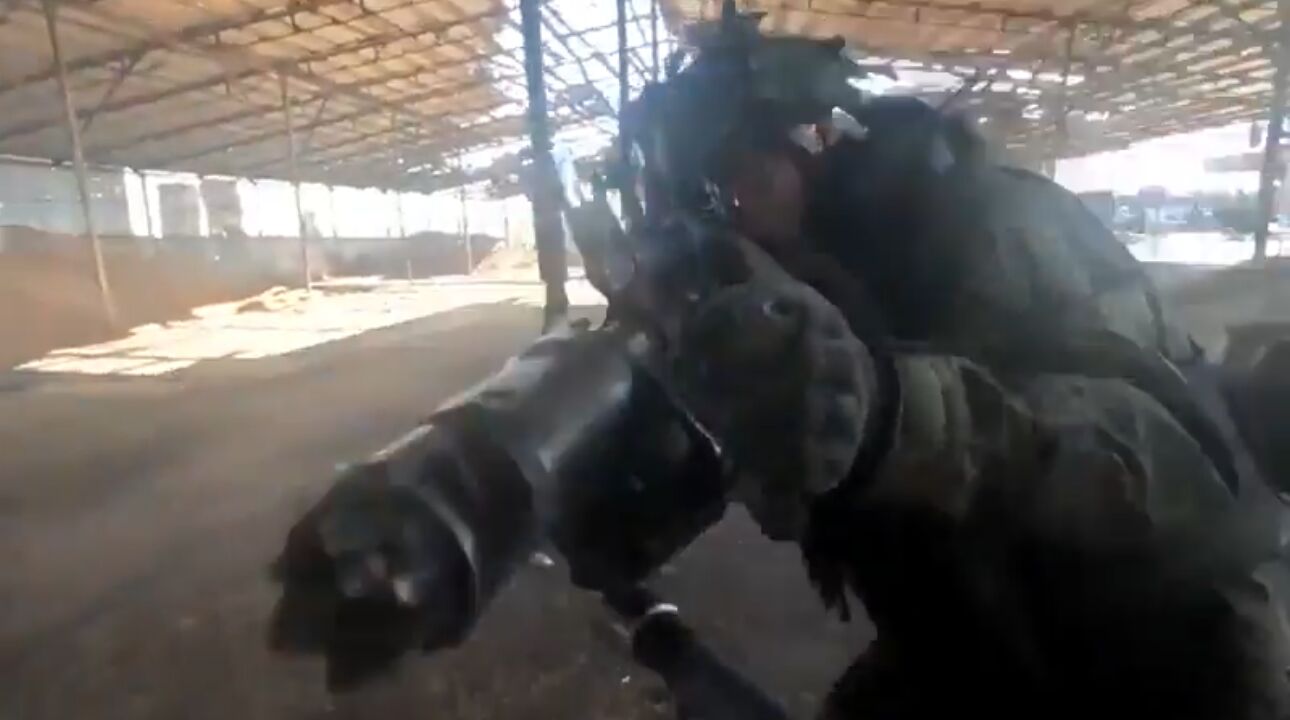
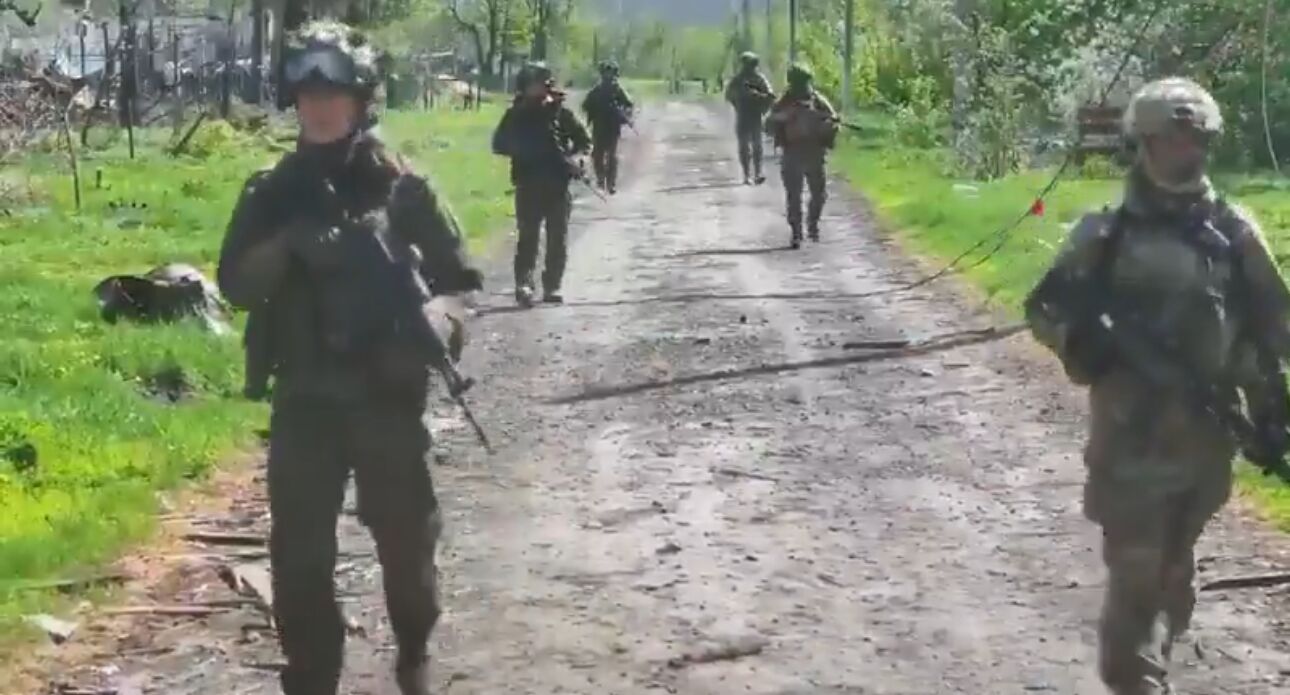
New footage released by Russian media outlets has shown Russian Army and Korean People’s Army personnel operating closely together in the Ukrainian theatre, including engaging in firefights and advancing to capture objectives. While Russian and North Korean forces have often operated alongside one another, it was previously unknown to what extent they were integrated at the lowest tactical levels. Earlier assessments described North Korean assault groups receiving objectives from Russian commanders before conducting operations with considerable independence. Analysts previously speculated that coordination could be complicated by language barriers, differing military cultures and unfamiliarity with each other’s procedures, with joint exercises having been limited before the outbreak of Russian-Ukrainian hostilities in 2022.
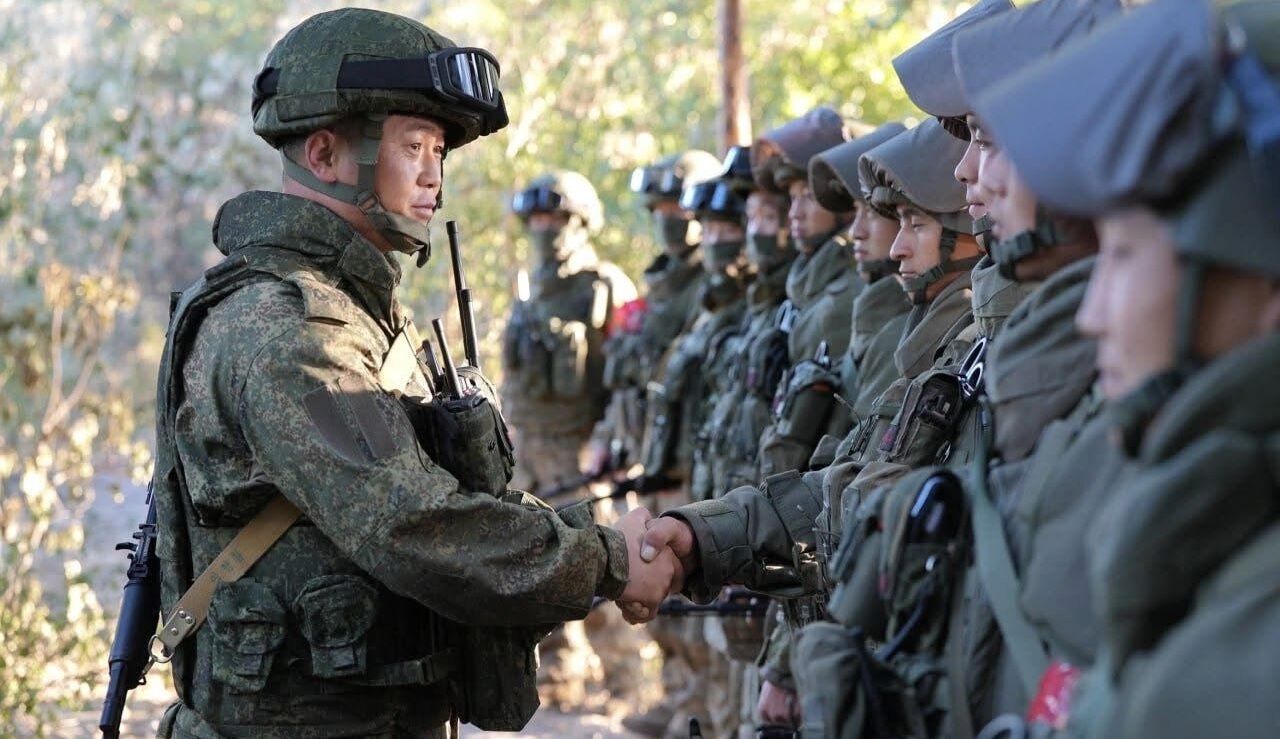
North Korean frontline personnel are widely reported to have maintained higher training standards than their Russian counterparts, with Russia having invested relatively little in modernising its ground forces after the disintegration of the Soviet Union. North Korean special forces operations in South Korea in the 1990s, and in support of counterinsurgency efforts in Syria in the 2010s, both made considerable impressions highlighting the high effectiveness of its ground units. Training standards in both Russia and Ukraine, by contrast, have been widely questioned. While Russian ground units have gained the benefit of frontline combat experience, the Korean People’s Army’s operations in the Ukrainian theatre are expected to similarly provide a significant edge over most other militaries, with the way ground campaigns are waged having transformed considerably in the theatre.
The Korean People’s Army was reported in August reportedly sent a specialised contingent of drone operators to Russia, potentially marking a significant expansion of North Korea’s direct involvement in the ongoing Russian war effort in the Ukrainian theatre. Ukrainian intelligence officials reported that among the estimated 8,500 North Korean military personnel in Russia, around 400 were drone operators. The latest contingent reportedly also includes approximately 1,000 engineers and sappers, most of whom are deployed in Russia’s Kursk region. This followed reports that Korean People’s Army personnel were also manning new ballistic missile units to support Russia’s war effort. North Korean personnel have thus gained experience in a wide range of roles.
Growing cooperation and integration between Russian and North Korean forces has fuelled significant speculation regarding how defence ties could evolve in future. It has been widely speculated that North Korea could be a future client for the Russian fighter aircraft, most notably the Su-57 fifth generation fighter, as Moscow could look for loopholes in the current United Nations arms embargo to supply its neighbour. This could involve the establishment of joint fighter squadrons, which would avoid the appearance of selling the aircraft directly. Russia had come to depend increasingly heavily on North Korean support for its ongoing war effort with Ukraine and standoff with NATO, including not only for personnel contributions, but also support from North Korean workers, and very large scale supplies of armaments worth tens of billions of dollars. North Korea is not only able to provide artillery rounds and howitzers on a comparable scale to Russia’s own defence sector, but also produced armaments that are in many cases more advanced than those in Russian service, with the Bulsae-4 anti-tank missile being a notable example.
