
Footage Provides Rare Look at China’s Vast Underground ‘Missile Cities’ Network
Military Watch Magazine Editorial Staff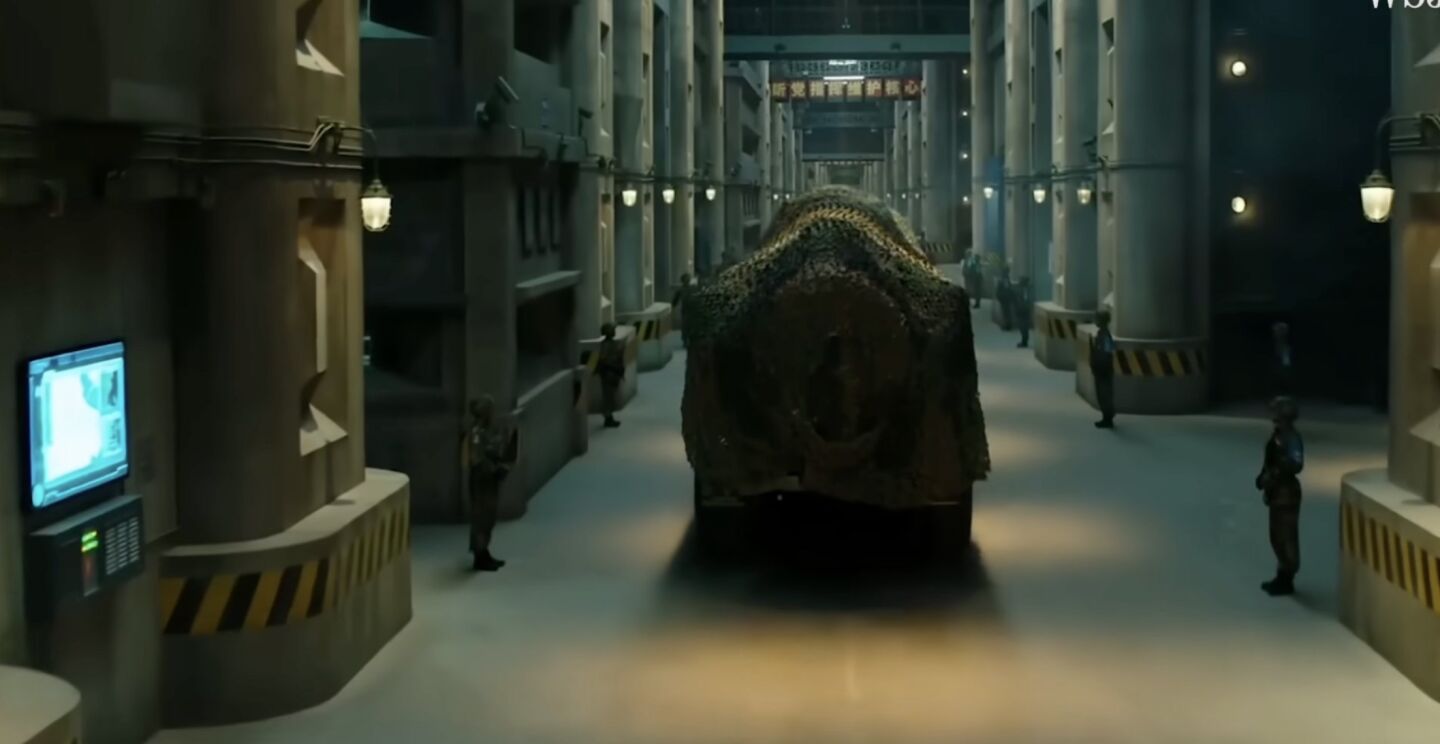
Chinese Ballistic Missiles in Underground Fortifications
Footage released by Chinese state media has provided a rare look at the country’s underground military facilities, which form a vast network designed to protect strategic weapons, command structures, aircraft, ammunition and personnel from air and missile attacks. This subterranean infrastructure has a much broader role and represents an important component of China’s approach to surviving and continuing to fight through a major conflict. The release of footage of the fortification has occurred as a much smaller underground network put in place by North Korean experts in Iran has played a particularly central role in allowing Iranian forces to sustain a war effort against the United States for over six months.
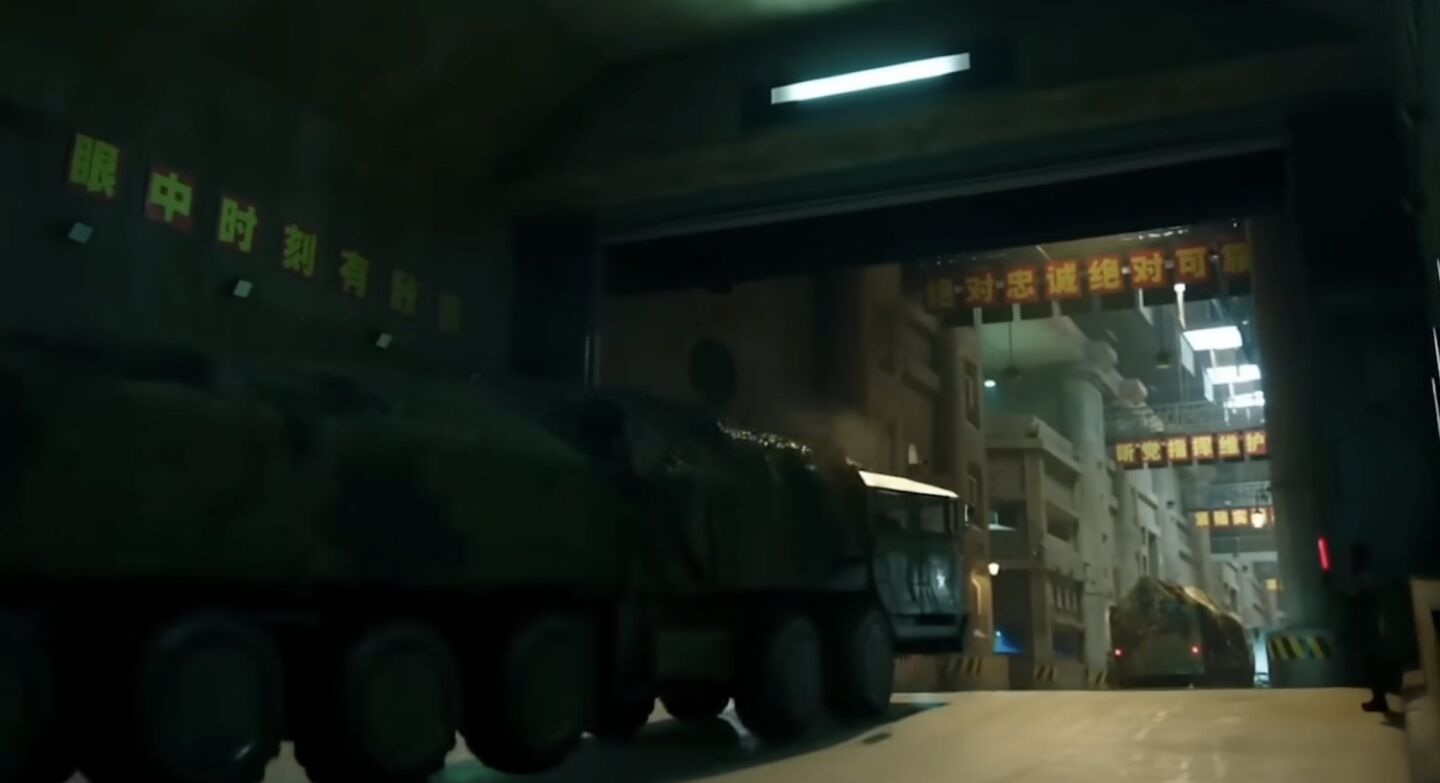
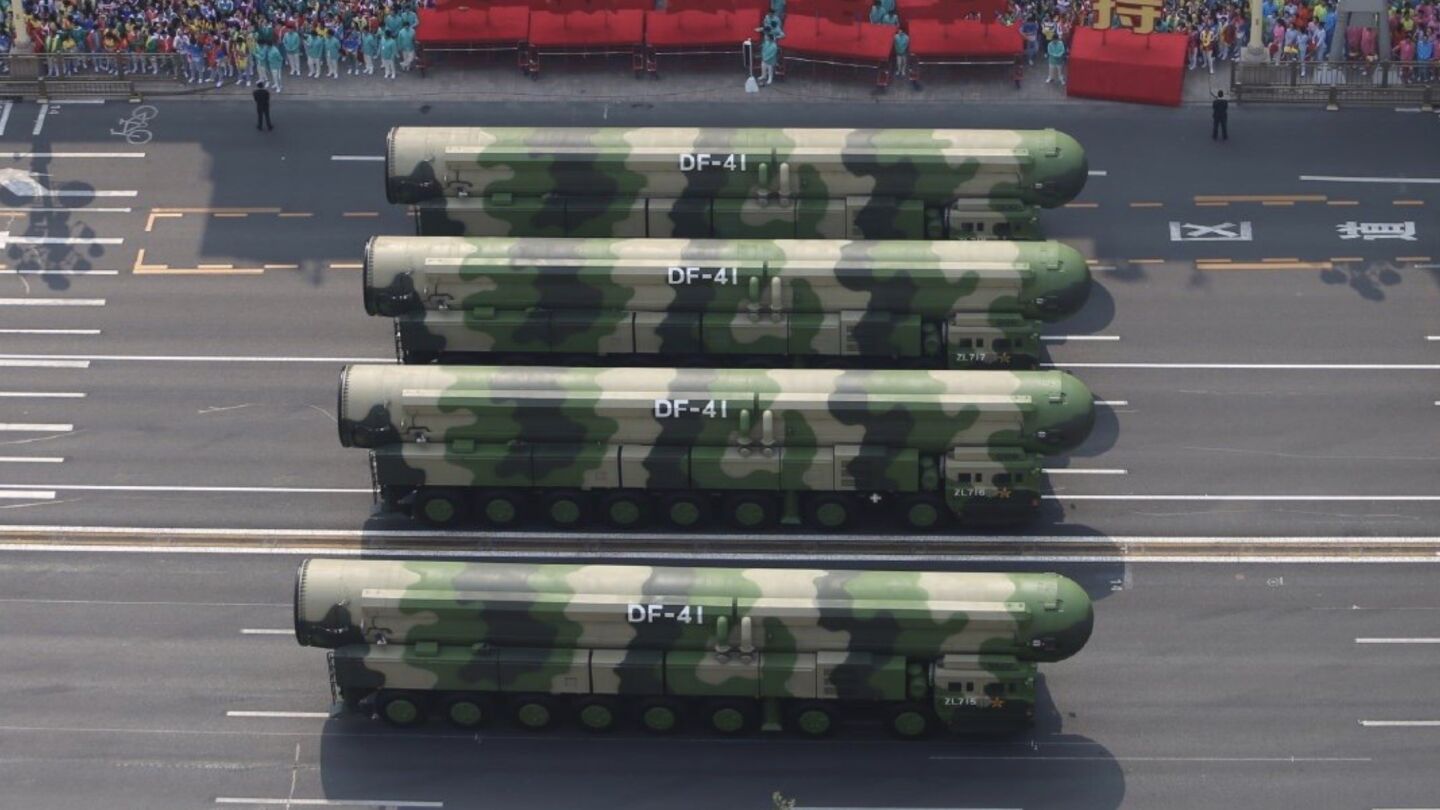
Underground facilities are shown to be vast and modern, with road networks allowing large transporter-erector-launcher vehicles carrying ballistic missiles to drive through them. The most famous component of this infrastructure is the network popularly known as the “Underground Great Wall”. Associated primarily with China's strategic missile forces, the system consists of extensive tunnels and underground facilities designed to conceal, protect, transport and potentially deploy ballistic missiles. The concept provides an alternative form of survivability to conventional fixed missile bases. Instead of leaving missiles permanently exposed in surface facilities, mobile launchers and associated equipment can be concealed underground and moved between protected positions. This closely mirrors the approaches taken by Iran and North Korea.
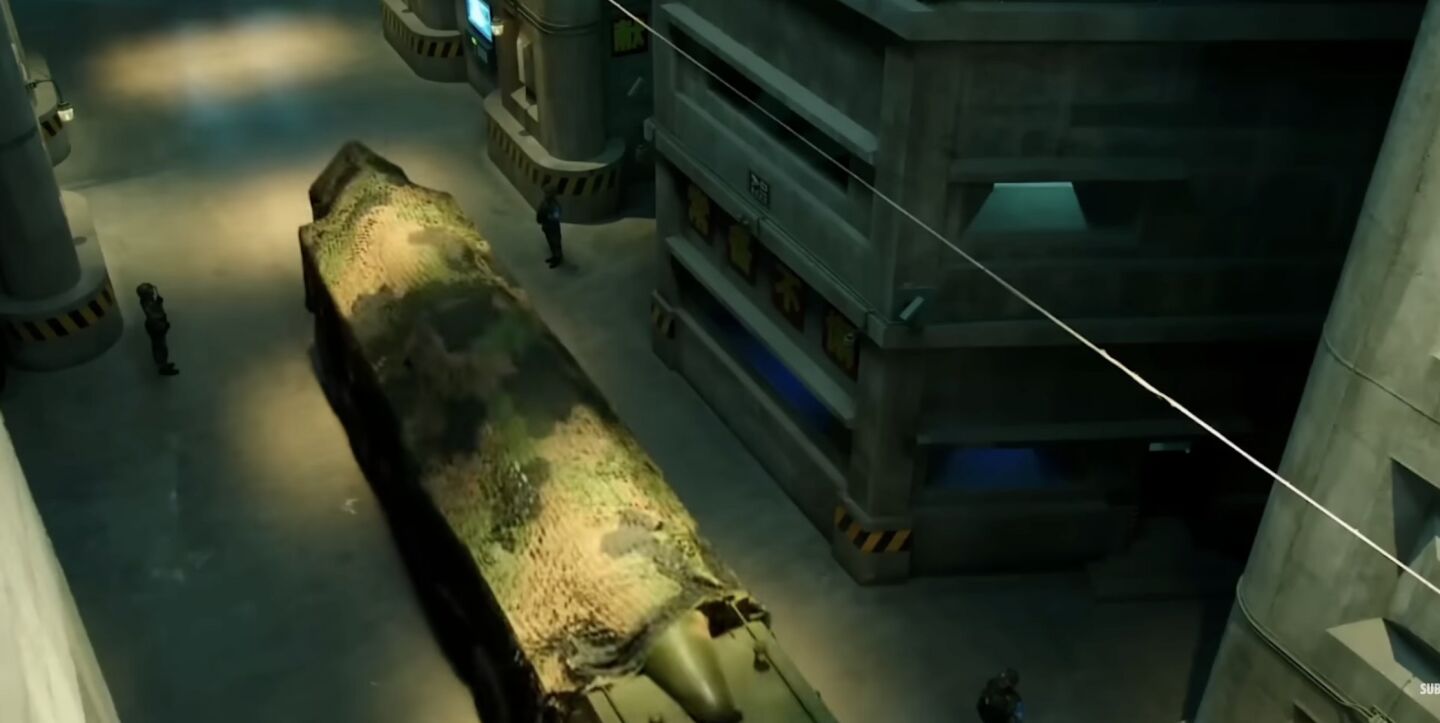
Chinese nuclear specialists have described the logic of fortifying missile forces underground as comparable to that of a ballistic-missile submarine: the principal advantage is not simply armour but the difficulty an adversary faces in determining where the weapon is located at any given time. The underground network therefore has several functions. It can protect missiles and support equipment from conventional and nuclear attack, conceal their movements, provide protected areas for maintenance and preparation, and potentially allow missiles to emerge from concealed positions before launch. Some assessments have also identified possible command-and-control and logistical functions within underground complexes.
Underground facilities also have major implications for China's command-and-control architecture. Protecting communications and command centres is particularly important because precision weapons can otherwise attempt to decapitate a military's leadership and disrupt its ability to coordinate forces. U.S. assessments have consequently identified protection of C4I functions alongside missile assets as one of the principal purposes of China's underground facility programme. The importance of command survivability extends beyond nuclear forces. In a major conventional conflict, China's ability to maintain communications between political leaders, theatre commands, air bases, naval forces, missile units and air-defence systems would be critical. Hardened command infrastructure can allow military operations to continue despite attacks against surface communications nodes and headquarters.
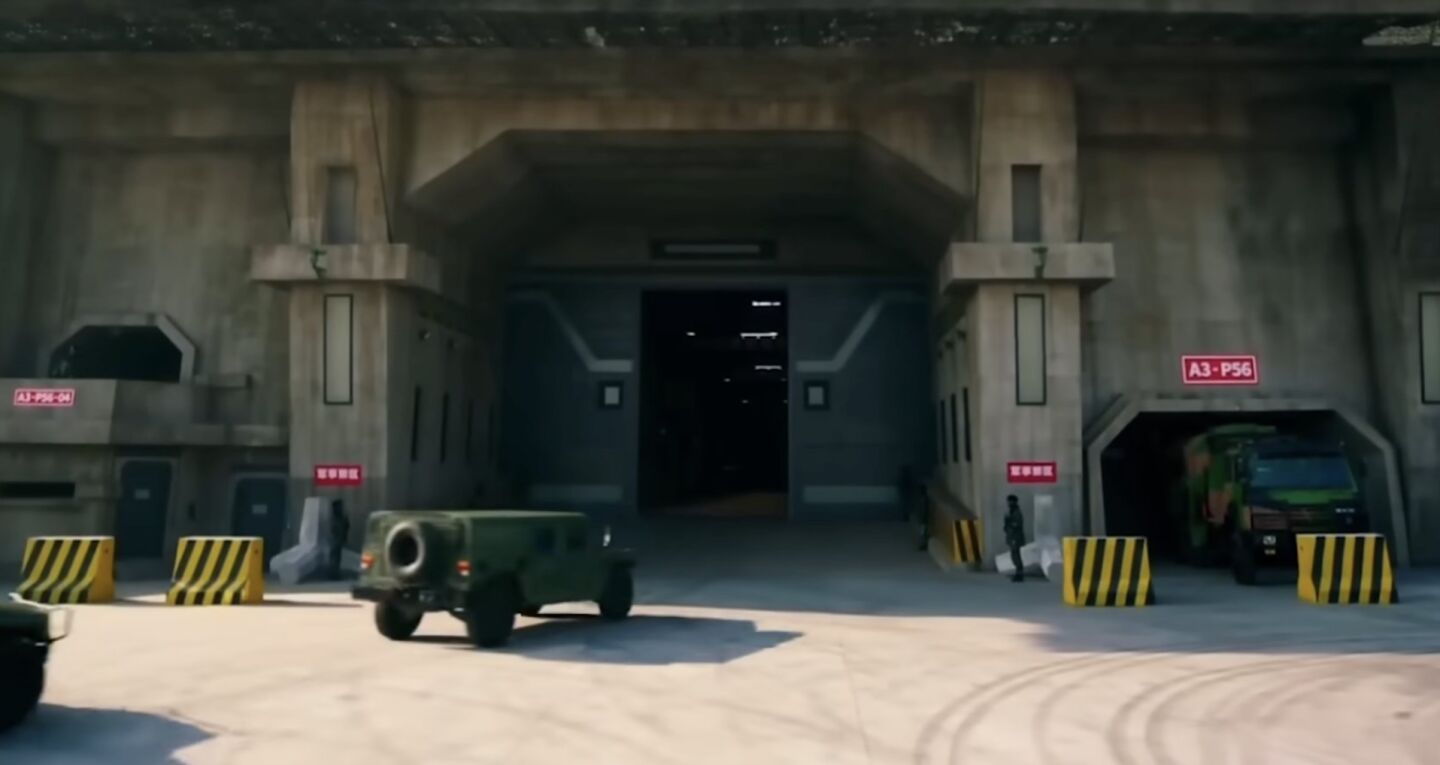
China has also constructed underground facilities for conventional forces. Military installations can use tunnels and hardened shelters to protect aircraft, missiles, ammunition, fuel and personnel. Aircraft are particularly valuable targets: a large concentration of fighters or bombers parked in the open can potentially be destroyed by a relatively small number of precision weapons. Moving aircraft into hardened shelters reduces this vulnerability. The same principle applies to ammunition and fuel. Underground storage can reduce the vulnerability of large stocks to air attack while also providing protection against fragmentation and blast. In areas close to potential conflict zones, underground storage can therefore contribute directly to sustaining military operations after an initial strike.
