
F-35 Sales to Equip the Republic of China Air Force: Expert Highlights How U.S. Export Policy is Changing
Military Watch Magazine Editorial Staff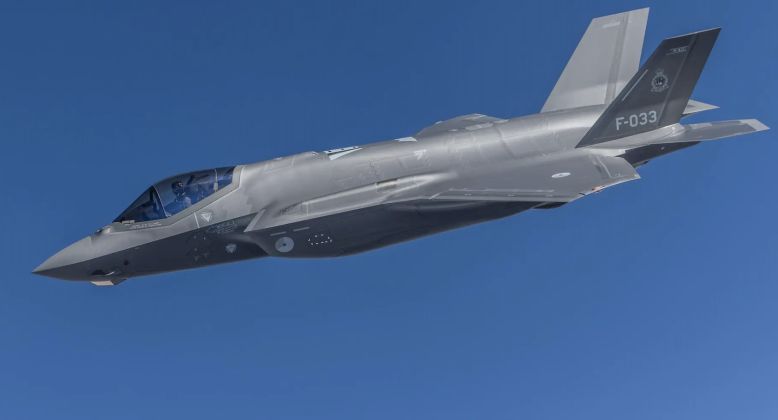
F-35 Fighter
In a recent interview on his new book on the F-35 fighter program, combat aviation expert Abraham Abrams elaborated on the possibility of F-35s being sold to the Republic of China Air Force, which currently has 64 F-16 Block 70 fighters on order and has for decades expressed interest in the newer aircraft. Abrams highlighted that attempts have been made to order the F-35 since the early 2000s, but noted that the Republic of China government “is not recognised by the United Nations or by all but 12 UN member states, all small countries that make up 0.15 percent of global GDP, which has made sales of high performance armaments highly controversial.” He further noted that even efforts to procure the fighter’s fourth generation predecessor, the F-16, faced significant challenges, with the Reagan, George W. Bush and Obama administrations all refusing to supply the aircraft despite their being much less sensitive than the F-35 is today.
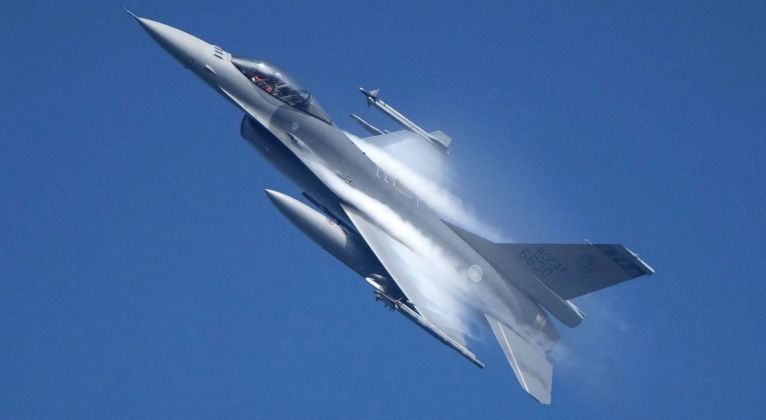
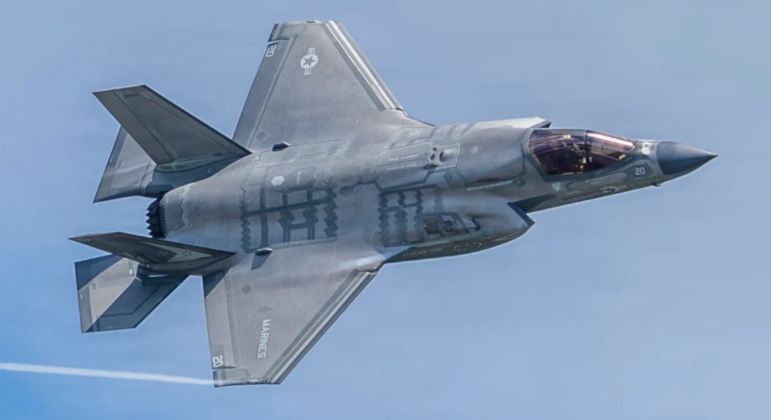
Regarding the risks posed to U.S. interests of supplying F-35s, Abrams noted that this would pose a “significant risk of mainland China gaining considerable intelligence on the fighter type, including through espionage, possible defections, and radar and signals intelligence capabilities which cover the length and breadth of possible deployment locations.” He nevertheless highlighted multiple converging factors that could lead the U.S. to supply F-35s in future. He pointed to growing signs of a loosening of F-35 export restrictions, including plans to sell the aircraft to Saudi Arabia which indicated “a major turning point in export policies to provide the aircraft to clients outside Washington’s core strategic partners in the developed world.” He added that the development of “both the F-47 [sixth generation fighter], and of a ‘5+ generation’ variant of the F-35, make the technologies of more basic variants less sensitive, potentially allowing these to be provided to a much wider range of clients including the Republic of China Air Force.”
Addressing the international norms against supplying advanced military equipment to the Republic of China Armed Forces, Abrams noted that a major factor which could change this would be a French decision to supply Rafale fighters, which could reduce the political costs to Washington of then supplying the F-35. In September 2025 CEO of the French aerospace firm Dassault Aviation Eric Trappier highlighted the possibility of Rafales eing supplied to the Republic of China Air Force to replace the service’s ageing Mirage 2000 fighters. He informed lawmakers: “You know very well what the Taiwanese want. What they want is the Rafale. But that does not depend on me. I am not saying that selling to Taiwan is good or bad. That is not my responsibility — it is the responsibility of the state.”
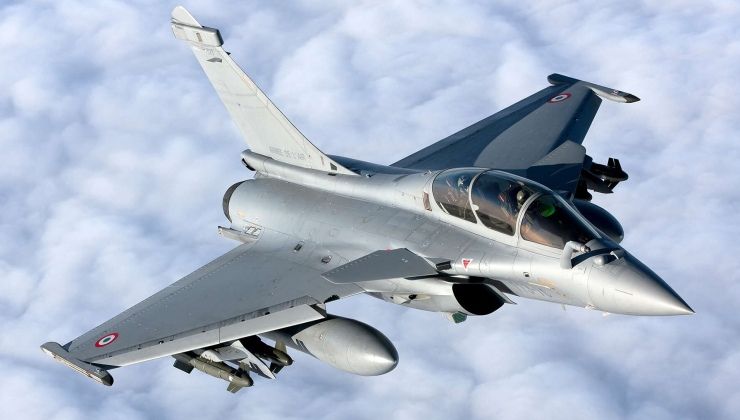
Taipei has continued to claim to be the sole government of the entire Chinese nation, as well as the legitimate government of Mongolia, while having no recognition at the United Nations and not being recognised by the overwhelming majority of UN member states including the United States and France. This status has limited the willingness of countries around the world to supply advanced armaments. The Western world’s growing geopolitical tensions with the Beijing-based People’s Republic of China, which is the internationally recognised Chinese government, however, could lead to a greater willingness to supply Rafales and F-35s to the rival Republic of China government’s forces. Indeed, analysts have indicated that Taipei’s interest in the Rafale appears to be largely due to its perception that the fighter would provide a path to the F-35, much as talks to procure the Mirage 2000 in the 1990s led the U.S. to belatedly agree to supply downgraded variants of the F-16.
