
F-22 Stealth Fighters Need Replacement 1990s Memory Cards to Operate: Ageing Jets’ Combat Viability in Question
Military Watch Magazine Editorial Staff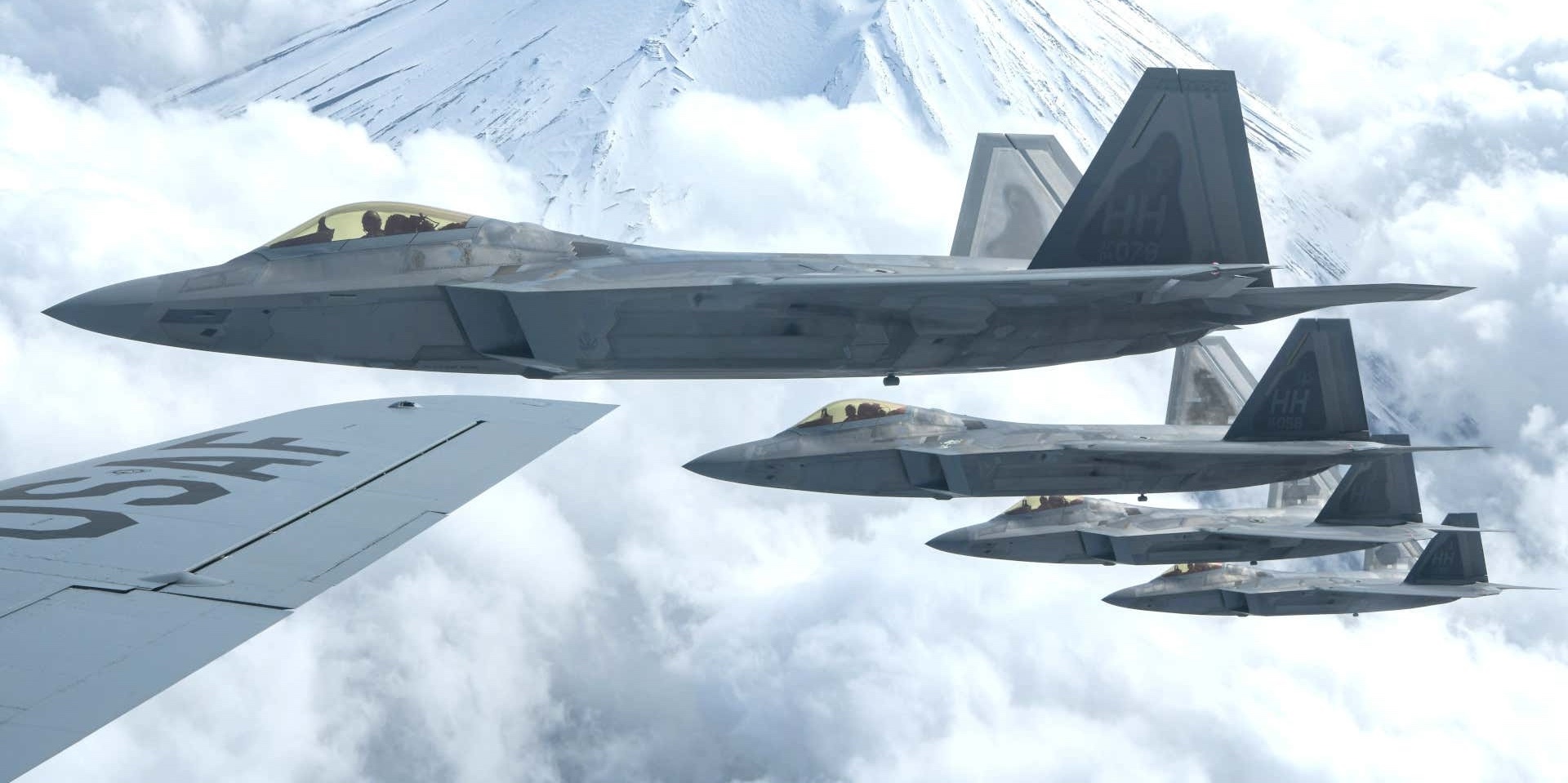
Hawaii Air National Guard F-22 Raptors
The U.S. Air Force is seeking suppliers for PC Card or CompactFlash memory cards with a capacity of at least 256 megabytes, with a notice published by the F-22 program office asking firms to provide information about whether they can supply them. Responses are due on 1 December 2026, with information sought out on where the cards and their components are made, how they reach the supplier, and what steps are taken to prevent counterfeits. The request highlights the growing obsolescence of the F-22 fighter, which have proven particularly difficult to modernise, leaving it with some of the least advanced avionics in the U.S. Armed Forces
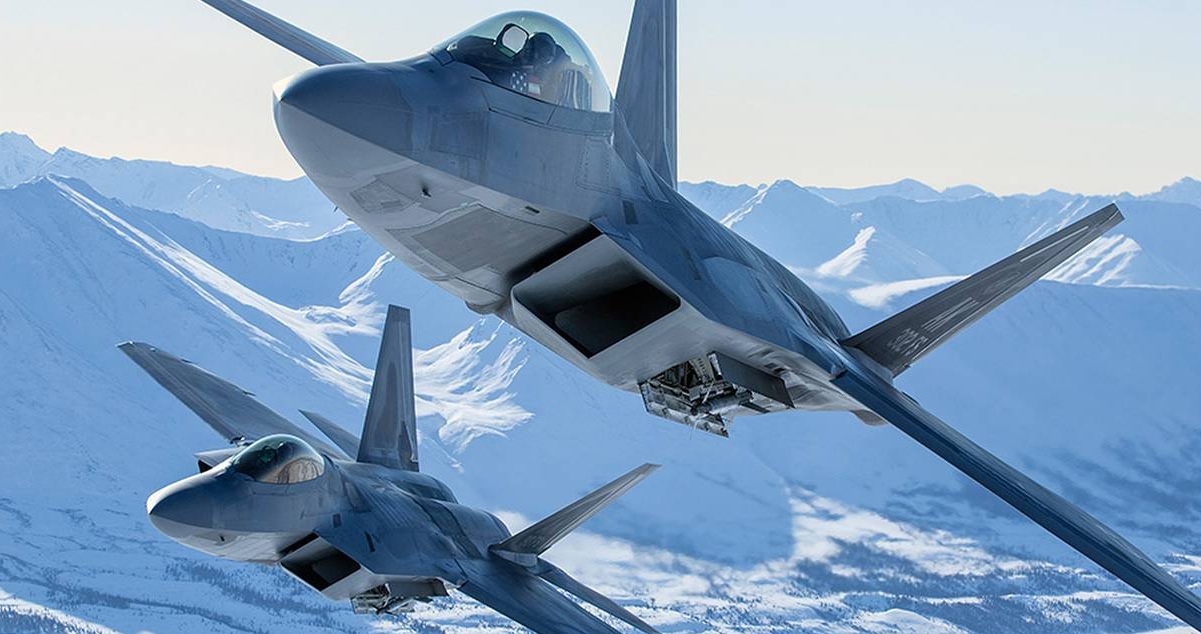
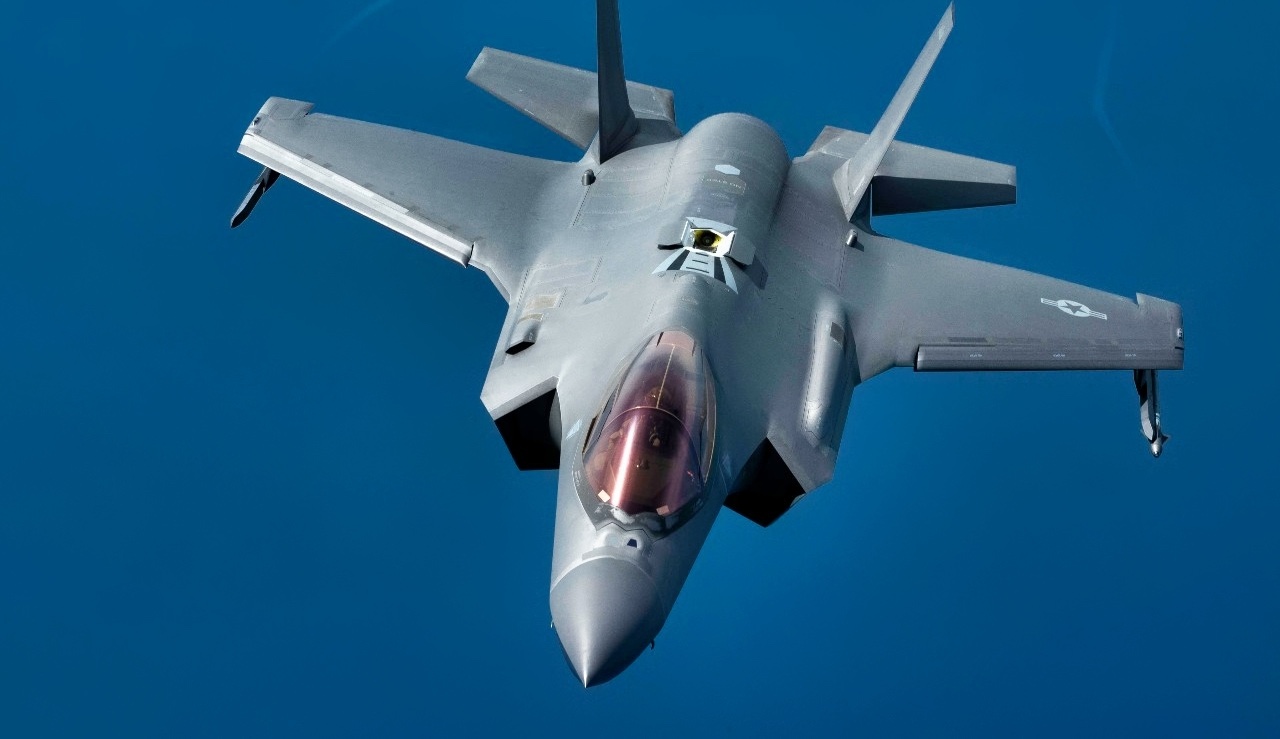
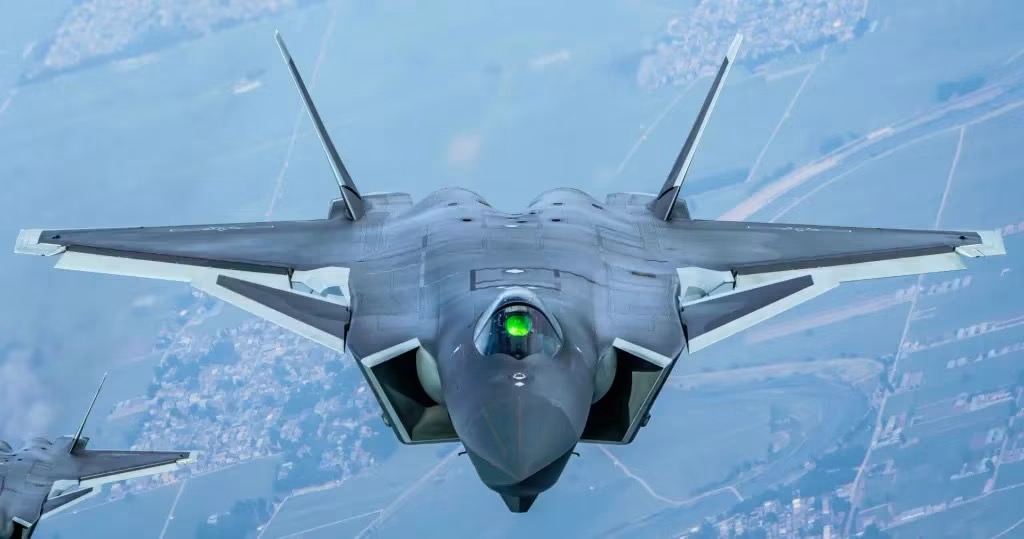
Although the F-22 is a fifth generation fighter, it is considerably older and less advanced than all other fighter types of its generation, with not only its avionics, but also many aspects of its design including its airframe materials being far behind those of the modern F-35 and Chinese J-20 and J-35. While it entered service in 2005, the fighter first flew in 1990, 21 years before the J-20, with its operationalisation having been delayed considerably by wide ranging development issues and budget cuts throughout the 1990s. The fighter’s avionics were significantly out of date by the time it entered service, with a notable example being that the F-22 is the only fighter type to enter service in the 21st century without helmet mounted sights, which is a crippling disadvantage in visual range combat.
The F-22’s Data Transfer Cartridge, or DTC, is part of the aircraft’s data and maintenance infrastructure, with the PC Cards used in the aircraft were once common in laptops, while CompactFlash cards were widely used in digital cameras. Their modest capacity is striking beside today’s consumer storage. Finding cards that fit the fighter, work with its software and meet the aircraft’s operating requirements has prove challenging, with concerns that modern higher capacity cards may not be compatible. The new notice’s title connects the requested cards to the F-22’s DTC, but the public information does not spell out every detail of how the cards are used or how many the Air Force may need.
The viability of the F-22 for high intensity combat has repeatedly been brought to question, with the aircraft suffering from by far the poorest availability rates in the Air Force. The aircraft lacks the advanced stealth, network centric warfare, data sharing, electronic warfare, or electronic intelligence capabilities of the new F-35, while being significantly more costly and maintenance intensive to operate, and far more challenging to modernise, leading the Air Force to seek to begin F-22 retirements decades ahead of schedule. While the cutting of F-22 production was approved less than four years after the type entered service, its direct fourth generation predecessor the F-15 has remained in production and continued to receive orders, with the much less problematic design continuing to incorporate upgrades over a decades long production run.
