
F-15QA; Capabilities of Qatar’s Advanced New ‘Strike Eagle’ Variant
Military Watch Magazine Editorial Staff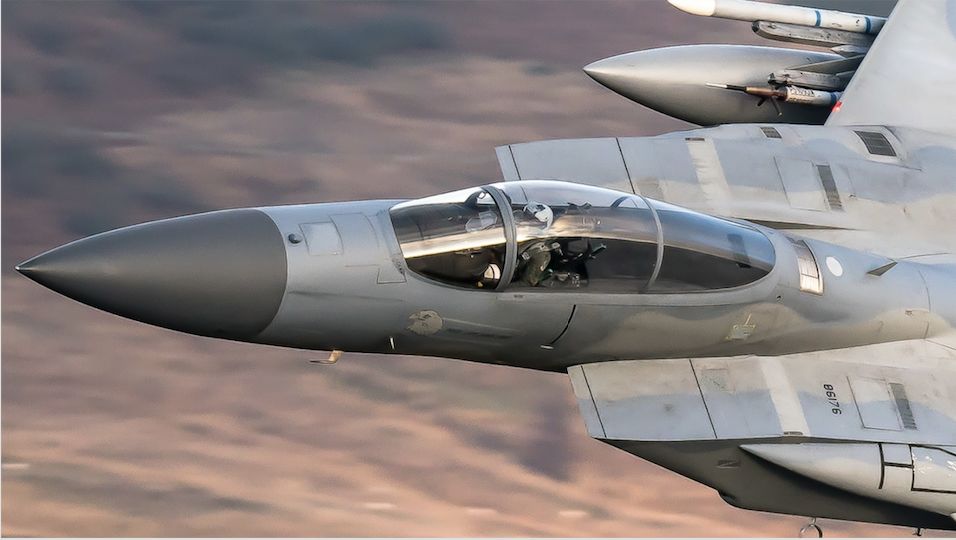
F-15 Eagle
Amid simmering tensions with its neighbours, namely with Saudi Arabia and the United Arab Emirates, the small Arab monarchy of Qatar in 2017 placed a $12 billion order for 36 of Boeing’s advanced F-15QA heavy strike fighters. These aircraft were designed as advanced derivatives of the F-15E Strike Eagle deployed by the U.S. Air Force, which was in turn derived from the F-15C air superiority fighter with a new emphasis on long range and air to ground capabilities. Alongside the Korean F-15K and Saudi Arabian F-15SA, the F-15QA is set to be a contender for the title of the most advanced derivative of the Eagle design designed for a strike role - and the most advanced and capable Western fourth generation fighter in service.
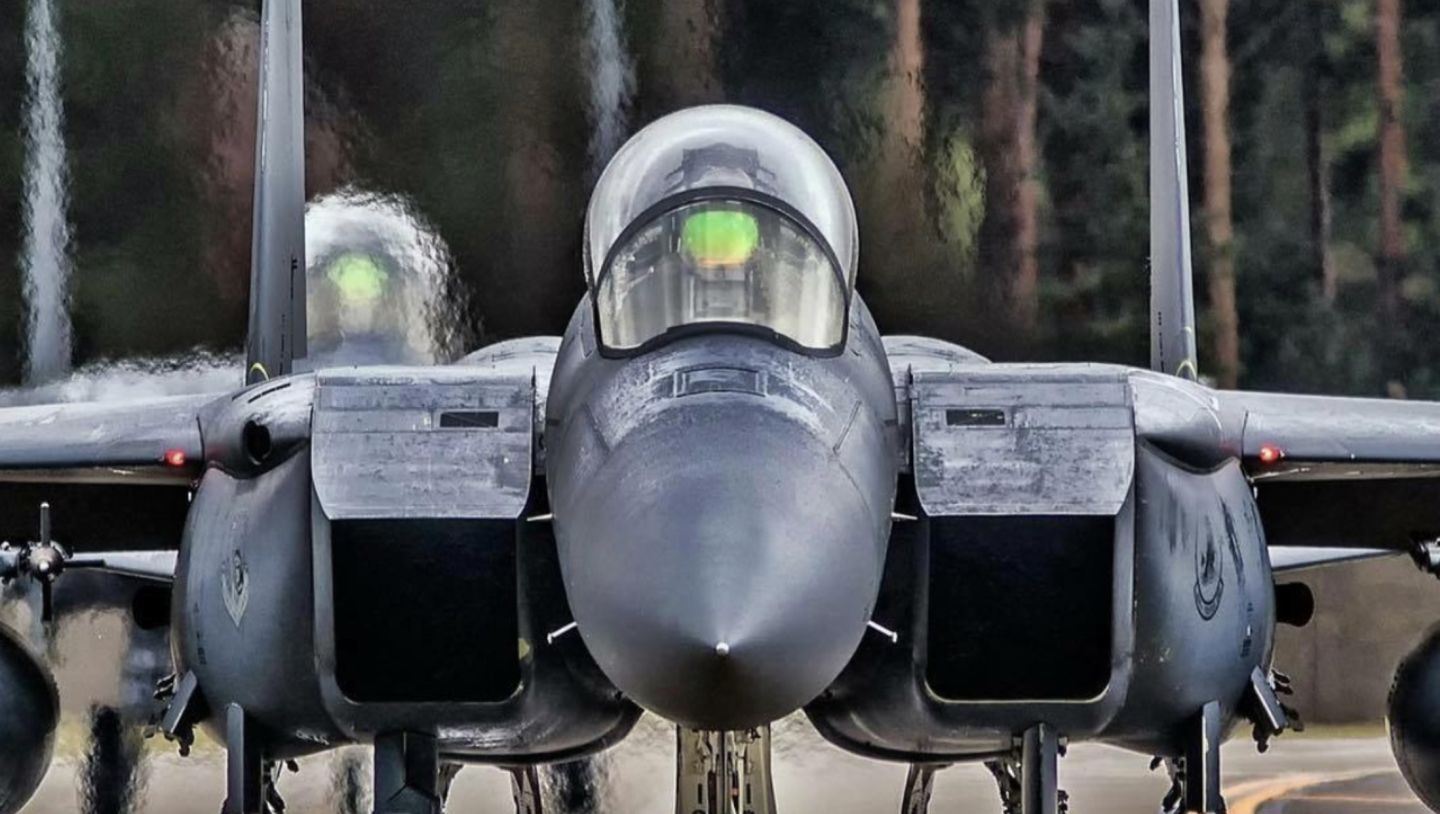
Qatar’s F-15 variant will feature a greater number of underwing hardpoints for extra munitions, a powerful active electronically scanned array (AESA) radar which serves to reduce its radar signature and vulnerability to jamming, new digital Joint Helmet-Mounted Cueing Systems in both cockpits (the fighter has twin seats), and new General Electric F110-129 engine - the same as those used by the Saudi F-15SA. The Strike Eagle's iconic green glowing heads up display will also be replaced by a more sophisticated system, while the fly by wire flight control system, digital electronic warfare suite and other systems will be replaced by entirely new ones never before seen on any other Eagle variants. The fighter will also feature a new internal wing structure and a new cockpit design.
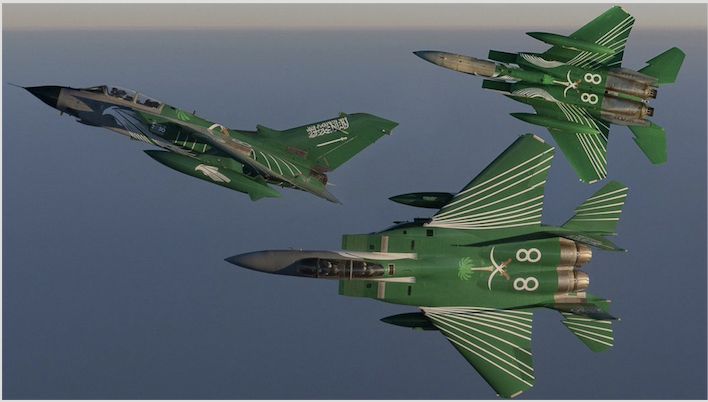
While it was widely speculated that Qatar’s purchases of European Eurofighter and Rafale jets were made more for political than practical reasons, with these aircraft lacking the cost effectiveness and high performance of their American counterparts, the country’s acquisition of the F-15QA provides a real and highly cost effective combat capability with what is arguably the most sophisticated combat jet in the Middle East. The F-15QA can in many ways be compared to the Russian Su-35 in its capabilities, fielding a more advanced radar and a larger weapons arsenal but lacking the Flanker’s supermanoeuvrability, infra red search and track system and electronic warfare capabilities. Qatar reportedly previously showed interest in acquiring the Russian platforms, but has since opted for Western jets in their stead. While the F-15 initially carried only eight air to air munitions, the F-15QA will reportedly be able to deploy 16 AIM-120 air to air missiles. Should these munitions be of the AIM-120D variant, they will give the Strike Eagles an beyond visual range air to air capability with few rivals in the world.
