
F-117B ‘Seahawk’: American Supercarriers Could Have Deployed Stealth Fighters 25 Years Earlier
Military Watch Magazine Editorial Staff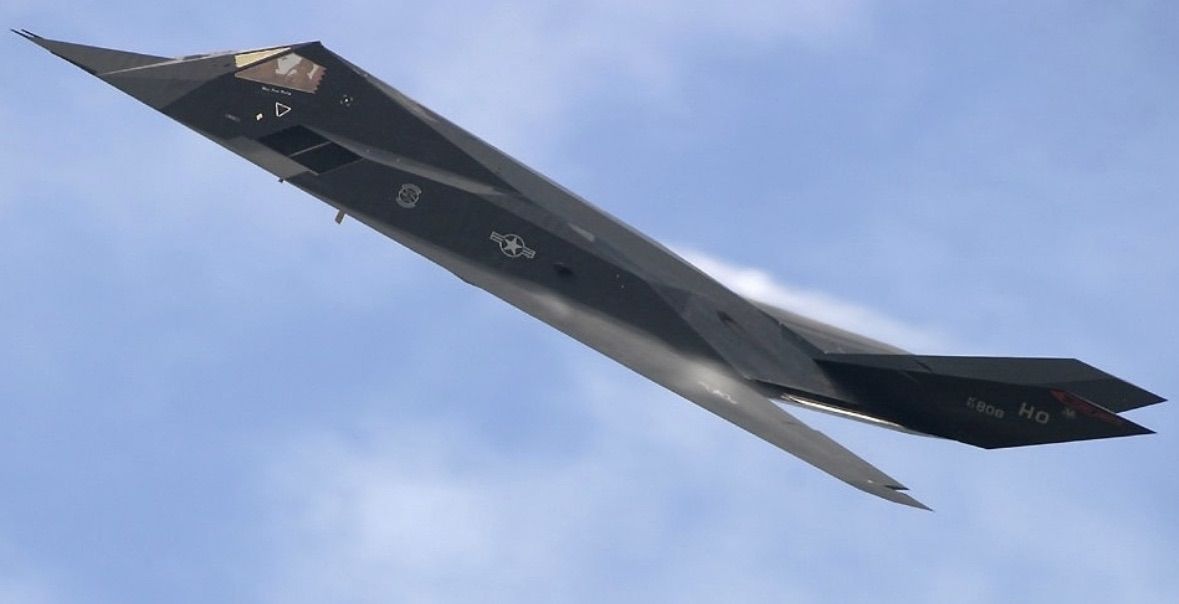
U.S. Air Force F-117 Nighthawk Stealth Fighter
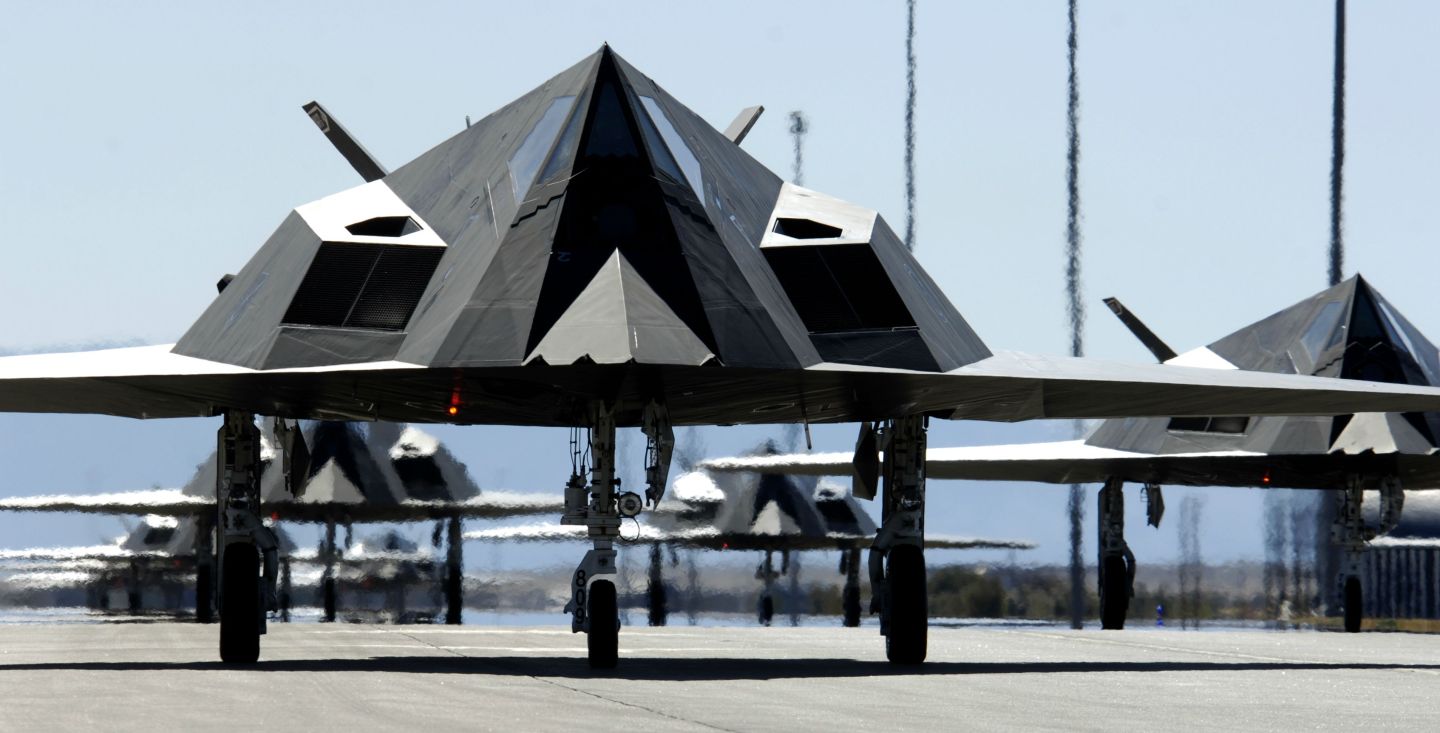
Following the success of the F-117 Nighthawk in Operation Desert Storm, which saw the world’s first stealth jet play a critical role role spearheading attacks on heavily defended Iraqi targets while suffering no losses, the manufacturer Lockheed proposed developing a heavily enhanced derivative of the fighter capable of operating from the Navy’s Nimitz Class supercarriers. The new fighter program, dubbed F-117N, would have seen the Nighthawk redesigned as a multirole aircraft rather than a dedicated strike platform. The aircraft would be able to carry an additional 3,600kg of weapons and would see its avionics upgraded to allow it to deploy the new AIM-120 active radar guided air to air missiles. The advanced capabilities of these missiles, without parallel at the time, would have potentially allowed the aircraft to neutralise enemy aircraft from long distances while compensating for the Nighthawk's modest flight performance and poor manoeuvrability. The F-117N would benefit from a superior flight performance to the original Nighthawks, with the older General Electric F404 engines replaced by the more powerful F414. These new engines powered the Navy’s F-18E Super Hornet, where the older ones had powered the much lighter F-18C Hornet, and would potentially reduce the maintenance burden for carrier air wings as their leading fighters used the same engines.
While the initial Lockheed proposal was rebuffed by the Navy, the potential to gain a contract for over 200 more Nighthawk fighters for carrier operations was lucrative - leading the company to invest in a second more ambitious proposal. The F-117B was thus developed, and placed a greater emphasis on air to air capabilities for a more balanced design. The aircraft would also benefit from a greater endurance, and would be able to reach higher speeds with afterburner. The fighter’s wings were lengthened nearly 50% and adjusted from a 48 to a 42 degree slant. Additional horizontal ailerons were added on the tail and landing gear was reinforced. These enhancements improved the Nighthawk’s aerodynamics and low speed handling to enable landing on the decks of American supercarriers, and provided the durability needed for such landings.
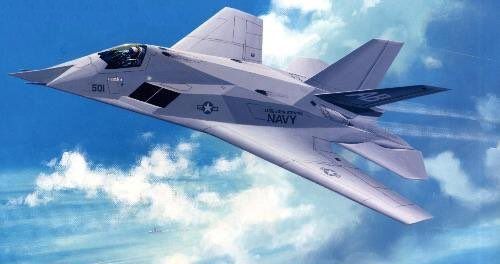
F414 engines may have allowed the Nighthawk to fly supersonically, which would have complemented other enhancements to make it a potentially dangerous air to air platform. The fighter was to receive an infra red search and tracking system, and redesigned bomb bays would provide a payload 500% as large as that on the original Nighthawk jets. Range was also nearly doubled to over 1,500km. The new upgraded Nighthawks were to be sold to the Navy for around $70 million each should a full order for 250 airframes be placed. Ultimately while an enhanced Nighthawk represented a far more potent threat than its Gulf War predecessor, its potential were restricted by the performance limitations of the original F-117 airframe - particularly when compared to new generations of stealth aircraft. This became particularly clear when the F-22 Raptor began its first flights from 1997, which demonstrated the potential a new generation of stealth technology could bring. The Navy ultimately would decide against acquiring any F-117 variant, and due to budgetary constraints and pressure from the government it would also terminate the ambitious A-12 program for a stealthy maritime strike fighter leaving the service without any stealth aircraft.
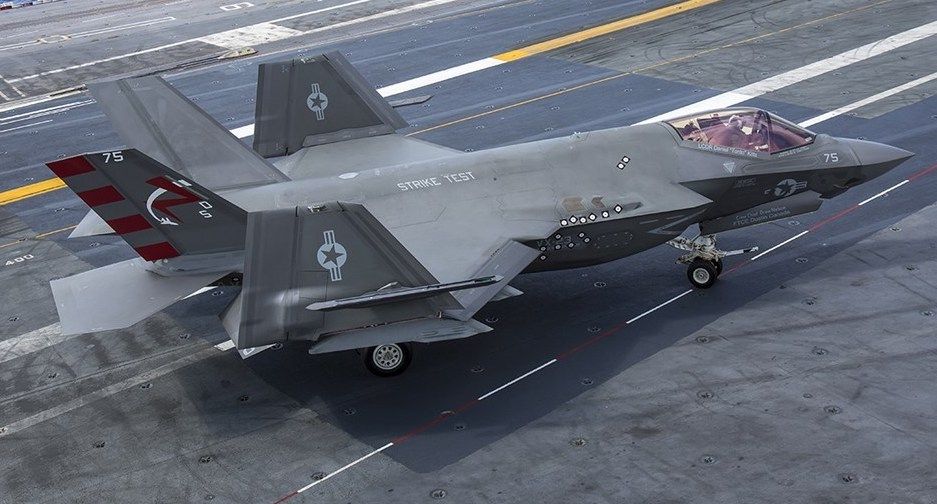
While the U.S. Navy’s smaller post-Cold War budget ended plans for a carrier based Raptor, its lighter and cheaper counterpart the F-35 would be modified for carrier use as the F-35C. Although the F-35 is both more cost effective and considerably more combat capable across the spectrum than the F-117B however, severe delays with the fighter program and serious ongoing performance issues means that the aircraft is unlikely to be fully combat ready until close to 2030. Fortunately for the U.S. Navy, the delay in acquiring a carrier based stealth fighter has not undermined its operations so far - with no carrier based jets lost in combat in almost 30 years since the Gulf War. While the original F-117 was retired from frontline service in 2008, it is likely that, had its more ambitious navalised derivative entered service, it would still be flying from American supercarriers today.
