
Europe Selects Soviet S-300P System’s 5V55 Missile as the Basis for Continent-Wide Air Defence Modernisation
Military Watch Magazine Editorial Staff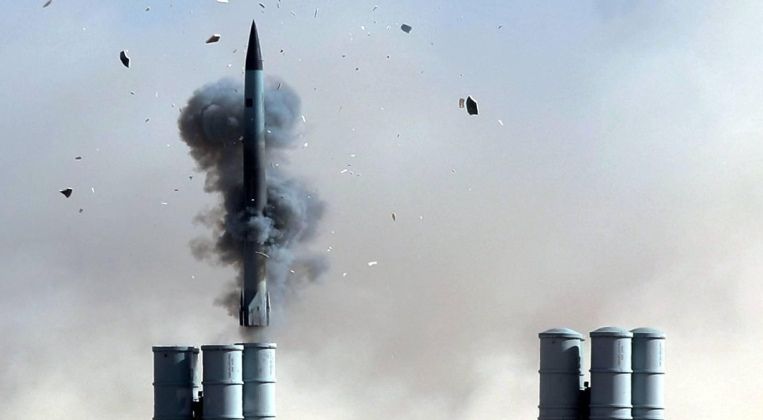
5V55 Missile Launch from S-300 System
The Ukrainian defence sector has revealed that the newly developed FP-7 anti-ballistic missile is intended to form the core of a new European-Ukrainian ballistic missile defence system designated Freya. The program represents one of the most ambitious missile defence initiatives undertaken in Europe since the end of the Cold War, and follows the announcement at a meeting of European “Coalition of the Willing” nations in Paris of the establishment of a new Anti-Ballistic Coalition. The purpose of this coalition is to develop an affordable missile defence architecture capable of countering increasingly advanced ballistic missile threats.
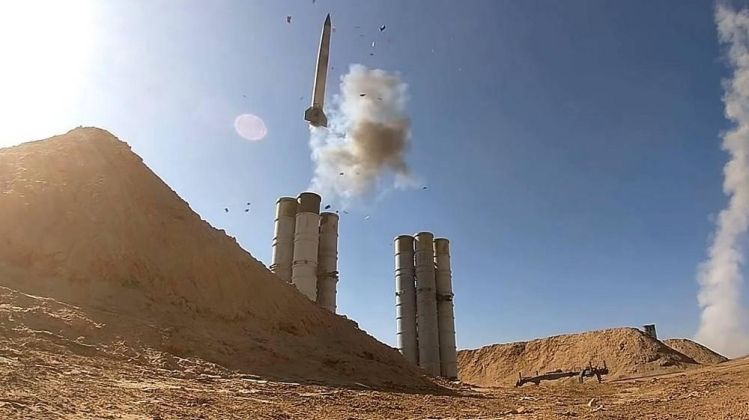
Although presented as a new interceptor, the FP-7 is not a clean sheet design, but is derived from the Soviet 5V55 surface-to-air missile originally developed for the S-300P air defence system. Production of the missile was established at Ukraine’s Vizar plant in the USSR, providing the country with extensive industrial familiarity with the design. The Soviet era design has nevertheless undergone substantial modernisation, with improvements to propulsion, guidance and control systems allowing engagement ranges of over 150 kilometres. Company officials have indicated that the interceptor has already completed its first guided test flight.
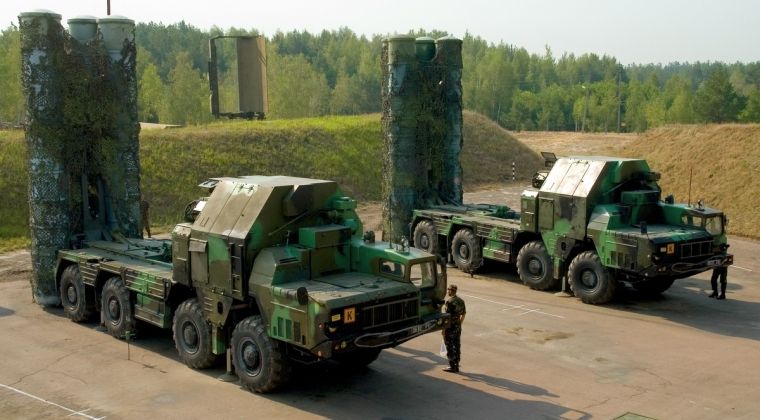
Although much less capable than the Russian 40N6 missile developed for the S-400 system, or the 77N6-N or 77N6-N1 missiles developed for the new S-500 system, the FP-7 is highly competitive with European surface-to-air missile types, reflecting the serious limitations affecting the continent’s defence sector particularly in the field of missile defence. For comparison, the 40N6 has a Mach 14 speed and 400 kilometre engagement range, while the 77N6-N or 77N6-N1 are considerably faster still and have 600 kilometre engagement ranges. The S-400 which integrates the 40N6 was developed as a direct successor to the S-300P, and was initially planned to be designated the S-300PM-3.
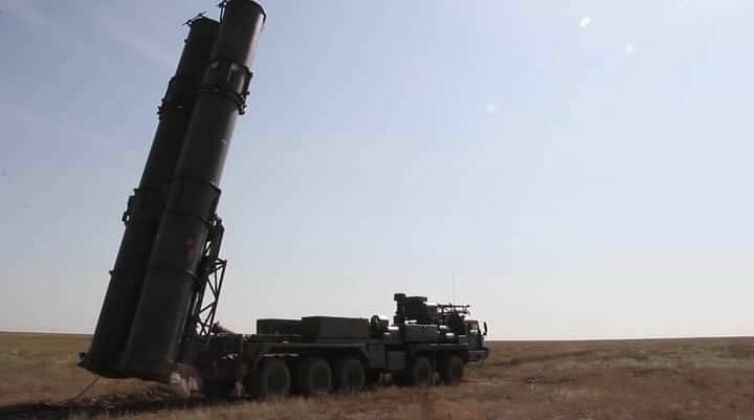
The 5V55 was developed during the 1970s for the revolutionary S-300P family of long-range surface-to-air missile systems, and introduced a range of technologies that transformed Soviet air defence doctrine and laid the foundation for later missiles used by the S-300PM, S-400, and S-500 systems. The missile introduced cold vertical launch technologies that would later become standard across Russian air defence systems that were particularly revolutionary, and was powered by a single-stage solid-fuel rocket motor that accelerated it to speeds exceeding Mach 6. Later variants such as the 5V55RM achieved ranges of approximately 90 kilometres, while improving reliability and resistance to electronic countermeasures.
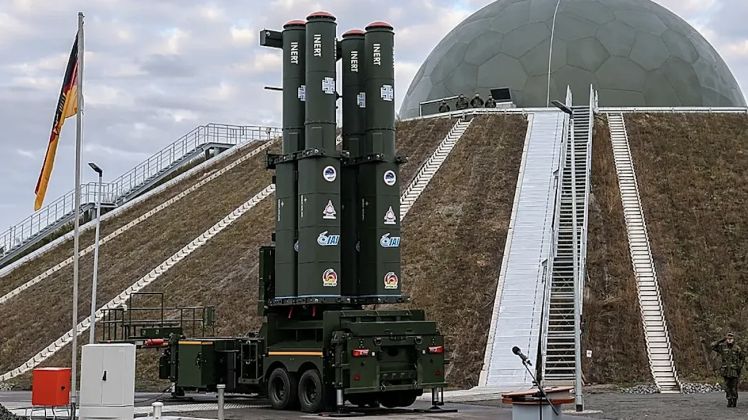
The serious limitations of Europe’s ability to develop high and medium tier missile defence systems has left countries on the continent heavily reliant on U.S., Soviet and Israeli technologies. Examples include the Soviet S-200 relied on by Poland, the Israeli David’s Sling sold to Finland and Arrow 3 sold to Germany, or the U.S. Patriot that has formed the backbone of the continent’s missile defences. Unlike conventional missile procurement programs centred on a single contractor, the Freya system has been structured as a multinational effort. Ukrainian defence company FirePoint will provide the interceptor missile itself, while the remainder of the system - including radars, battle management software, launch systems, communications architecture and supporting equipment - will be developed by European partners. The new coalition reportedly includes Germany, France, the United Kingdom, and several other European countries.
