
Deterring the Chinese Navy: New Taiwanese Shipyard to Build Stealthy Attack Submarines
Military Watch Magazine Editorial Staff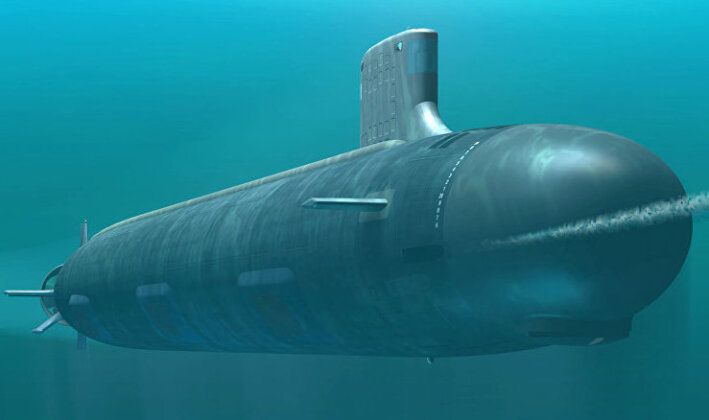
Attack Submarine - artwork
A new shipyard in Kaohsiung, southern Taiwan, was opened on November 24th as part of the Taiwan National Non-Nuclear Submarine Design and Construction Program, which will see eight diesel-electric submarines constructed to modernise the territory’s navy. Taiwan, officially the Republic of China, has been technically at war with the Chinese mainland for over 70 years. While both claim to be the sole legitimate government of the Chinese nation, Taiwan today has negligible International recognition and no seat at the United Nations, meaning most states are unwilling to provide it with modern arms. The Taiwanese Navy is today considered almost totally obsolete against China’s People’s Liberation Army Navy, with Chinese destroyers considered by many Western sources to be the most capable in the world an enjoying a massive qualitative edge over their ageing Taiwanese counterparts. Investment in small and quiet diesel electric submarines could allow Taiwan to counter Chinese naval units asymmetrically, as such ships are not only cheap to build and operate but also very difficult to detect.
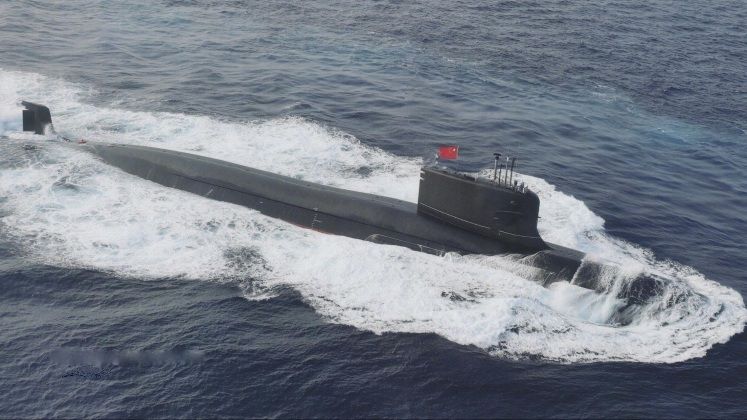
Taiwan plans to commission eight new diesel electric submarines, with first of which are expected to enter service in 2025. Taiwanese President Tsai Ing Wen stated regarding the program: ““Submarines are important equipment for the development of Taiwan’s navy’s asymmetric warfare capabilities and to deter enemy ships from encircling Taiwan.” A focus on these asymmetric assets notably resembles the strategy pursued by North Korea, which deploys more submarines than any other country in the world the large majority of which are small short ranged diesel electric designs intended to deny enemy navies access to its waters. Taiwan currently fields four relatively old submarines, including two Chien Lung Class and two Hai Shih Class ships which which are all based at Tsoying Naval Base. Investment in new submarines comes as part of a broader effort to modernise the territory’s armed forces, although lack of access to high end foreign arms and the limitations of the Taiwanese defence sector, combined with the extremely rapid rate of growth of Chinese military capabilities, had meant that Taiwan’s security station has declined considerable by the year.
