
David’s Sling in Russian Hands: How Capable is the New Israeli Missile System Captured in Syria
Military Watch Magazine Editorial Staff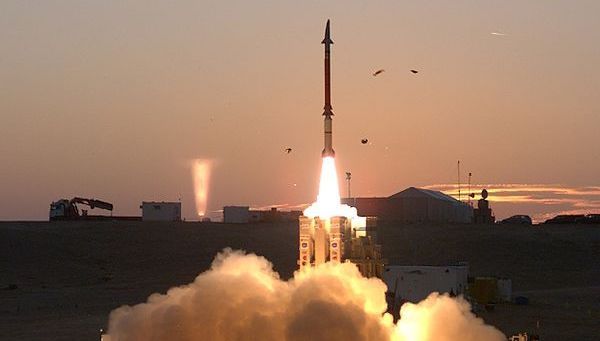
David's Sling Surface to Air Missile Battery
Recent reports that Russian forces managed to capture a ‘Stunner’ surface to air missile from Israel’s state of the art David’s Sling air defence system after the malfunctioning munition landed on Syrian territory has raised serious questions regarding the kinds of technologies the Russian military will gain access to as a result. The David’s Sling system entered service in April 2017 as the most versatile and in many ways the most outstanding platform in Israel’s multi layered air defence network. Jointly developed by America’s Raytheon and Israel’s Rafael, the platform integrates the most sophisticated Western air defence technologies available significantly more advanced than the PAC-3 Patriot currently deployed by American and allied forces across the world. Slated to replace the Patriot in the Israeli air defence network, access to the David’s Sling can potentially provide Russia with key insight into th latest Western air defence technologies, the possible means to counter them, and potentially even ways in which Russia can improve its own air defences.
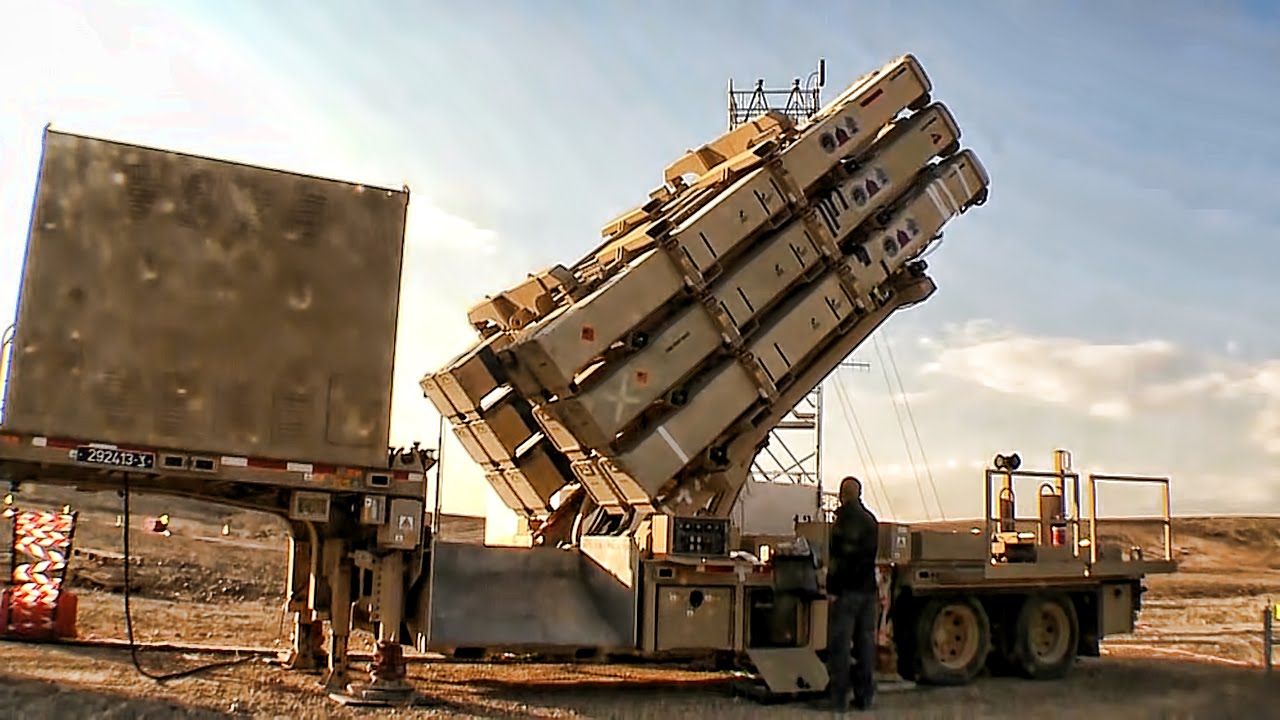
Perhaps the most unique feature of the David’s Sling’s Stunner missile is its use of dual-mode terminal homing - a technology which was also highlighted as likely to be applied to America’s upcoming AIM-260 air to air missile which will enter service in the mid-late 2020s. This means that each missile deploys two seekers - one using an active electronically scanned array radar and the other using imaging infra red. Either of these can guide the missile towards its target, and by using both the Stunner significantly reduces chances for targets to decoy or jam it on approach. Such decoys even in relatively simple form can otherwise seriously reduce the effectiveness of surface to air missiles.
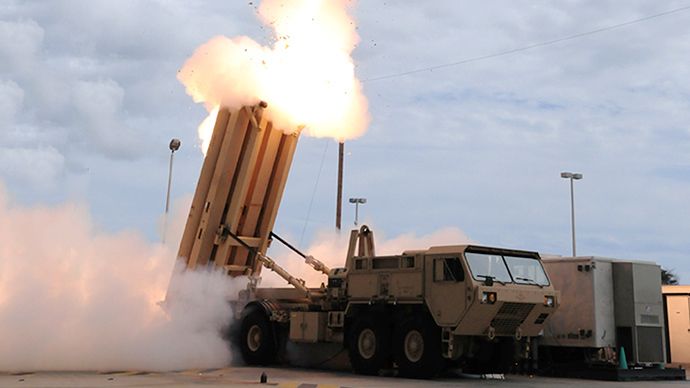
While the Israeli missile’s dual seeker is its most prominent feature, it is not the only aspect of the platform’s technology which Russian forces could be interested in gaining access to. The Stunner makes use of miniaturized subsystems including a data link fully networked with the David Sling’s ground based sensors, compact and powerful engines which provide very high manoeuvrability, and a design built around a ‘hit to kill’ system allowing the munition to function without a warhead - much as the American THAAD system does. Access to a ‘hit to kill’ missile could help Russia’s armed Forces study their weaknesses and assess their benefits - opening up the possibility of both improved countermeasures to systems such as THAAD and potentially even development of a Russian missile defence system built around a similar concept.
