
Chinese Twin Engine Fighters Now Flying in the U.S.: How Capable Is the L-15 Jet?
Military Watch Magazine Editorial Staff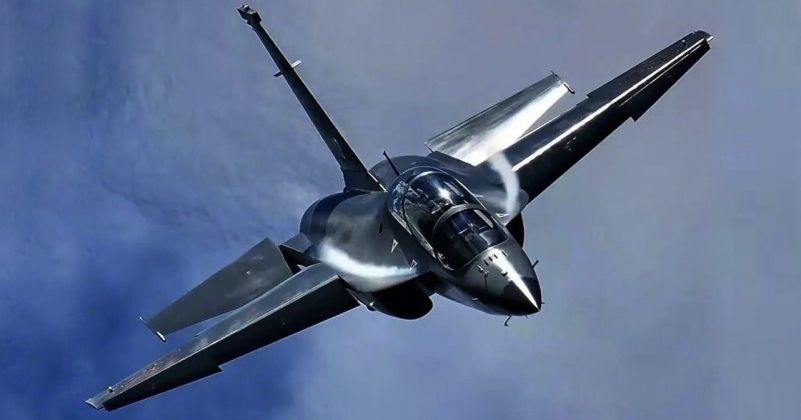
Chinese L-15 Light Fighter
Chinese-supplied L-15 fighters operated by the United Arab Emirates Air Force have begun operations in the United States, as part of the service’s Al Fursan aerobatic display team at the FourLeaf Air Show in New York. This marked the team’s first international deployment with the L-15, after orders for the aircraft were first reported in 2022. The Chinese fighters replaced the Air Force’s Aermacchi MB-339 fleet, with the new aircraft formally unveiled at the Dubai Airshow in November 2025, marking the first major breakthrough of Chinese fighters into highly competitive Gulf Arab markets.
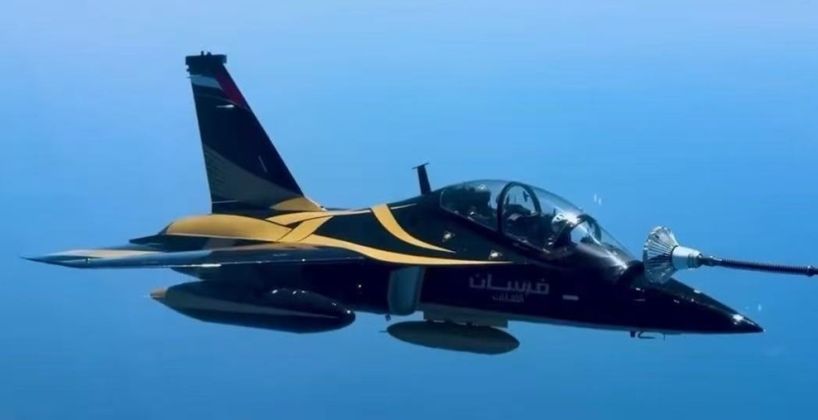
The appearance of L-15s, which have been marketed as both fighters and as advanced jet trainers, has highlighted the remarkable transformation of China's aerospace industry over the past two decades, reflecting the country's emergence as one of the world's foremost producers of combat aircraft. Their use by one of the best funded air forces in the world highlights how Chinese aircraft have moved from being viewed as low-cost alternatives to increasingly sophisticated products capable of competing in global markets. The aircraft's display also reflects Beijing's growing confidence in promoting domestically developed aviation technologies alongside more established aerospace powers.
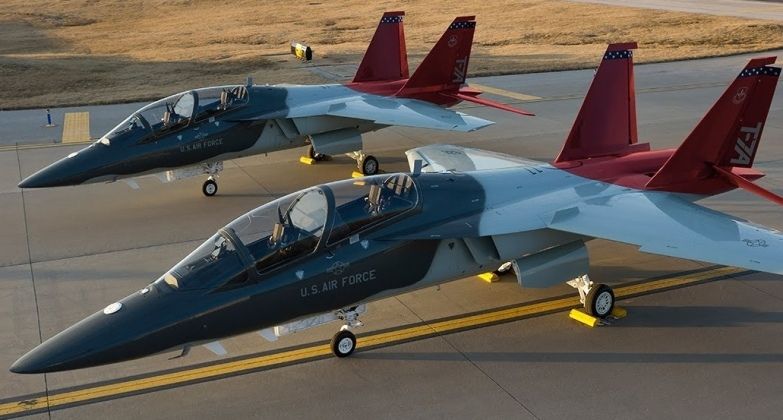
Developed by the state-owned Hongdu Aviation Industry Corporation, the L-15 was designed to prepare pilots for fourth- and fifth-generation fighter operations while also providing a light attack capability. The aircraft features a digital glass cockpit, fly-by-wire flight controls, a high thrust-to-weight ratio, and performance sufficient to simulate the handling characteristics of modern frontline fighters. Certain variants incorporate an electronically scanned radar, advanced weapons integration, and compatibility with precision-guided munitions, allowing the aircraft to undertake both training and combat missions.
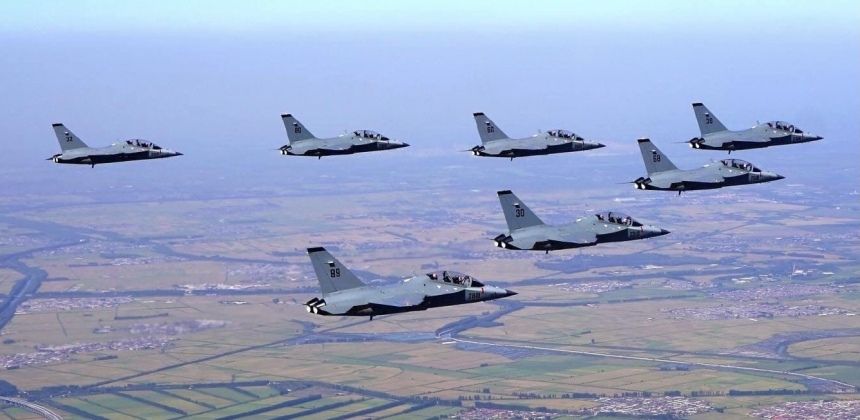
As the Chinese People’s Liberation Army Air Force procured both fifth and ‘4+ generation’ fighters at a far higher rate than any other service in the world, fielding a highly capable trainer is essential. Beyond its role as a trainer, the L-15 also has a formidable combat performance exceeding that of almost all early fourth generation fighters, with its light weight compensated for by a sophisticated radar and access to advanced PL-12 missiles. The L-15’s flight performance is the most impressive for a lightweight trainer aircraft, with its thrust-to-weight ratio of 1.1, and its ability to achieve high supersonic speeds, being unusual for such aircraft. The aircraft uses digital quadruplex fly-by-wire controls, and was designed to be able to achieve high angles of attack and to sustain high-g manoeuvring, while its roll rate remains excellent for a trainer.
Advanced trainers represent an essential component of modern air power, allowing pilots to transition efficiently to increasingly sophisticated combat aircraft while reducing the flying hours required on expensive frontline fighters. As fifth generation aircraft become more common, demand for trainers capable of replicating their flight characteristics and sensor environments has grown significantly. The L-15's development therefore demonstrates that China's aviation industry is now highly capable of providing complete aviation ecosystems encompassing trainers, transports, helicopters, airborne early warning aircraft, tankers, unmanned systems, and combat aircraft.
