
Chinese H-6 Strategic Bomber Arrives in Thailand for Joint Exercises - Reports
Military Watch Magazine Editorial Staff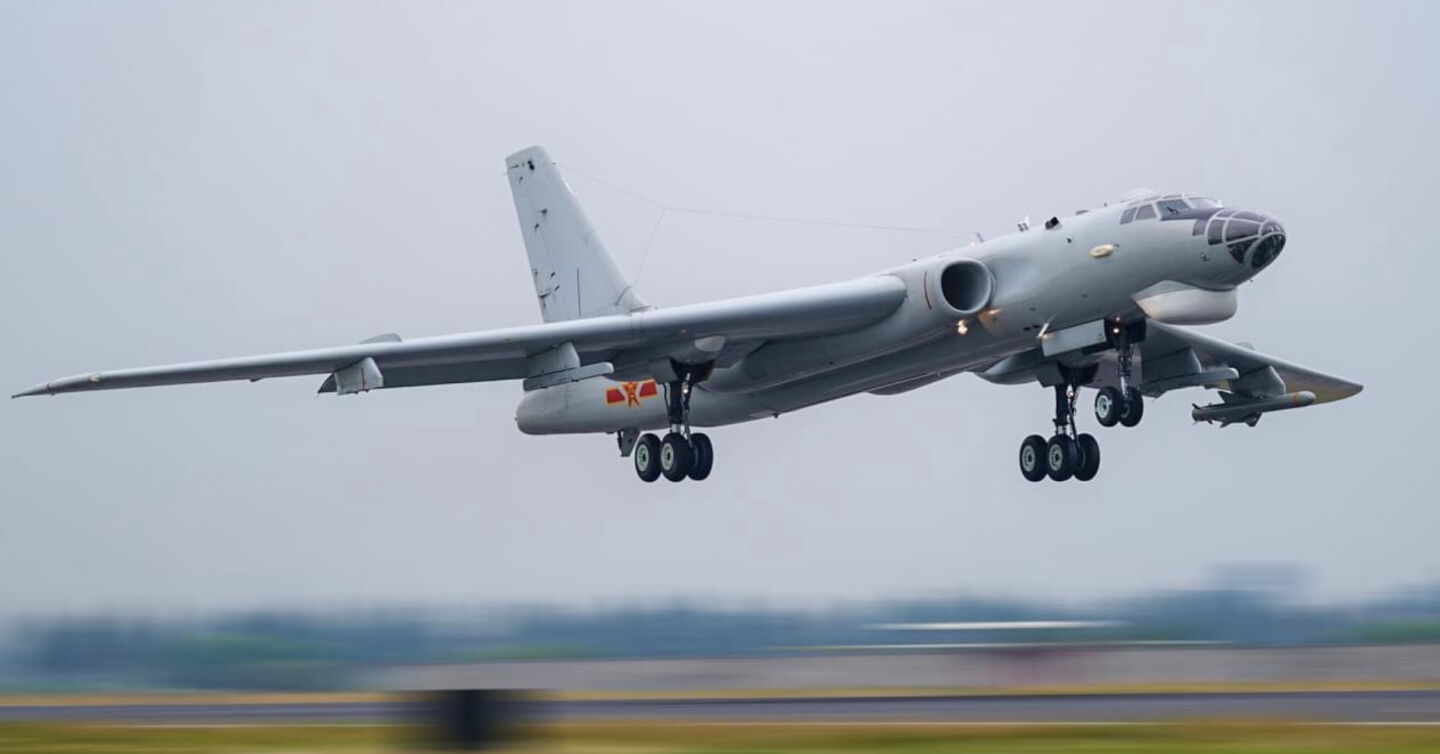
Thai sources on August 11 widely reported the appearance of a Chinese People’s Liberation Army Air Force H-6 strategic bomber in the country, which appeared intended to participate in the Falcon Strike 2026 joint air force exercises. Other aircraft reportedly seen deploying to Thailand include the Y-9LG electronic warfare aircraft, KJ-500 airborne early-warning and control system, and what appear to be either J-11 or J-16 fighters, representing one of the most capable contingents ever deployed abroad by Chinese forces. The release of further images, however, has indicated that the H-6 deployed was not a strategic bomber, but rather a heavily modified H-6U variant which serves as a tanker to provide aerial refuelling support.
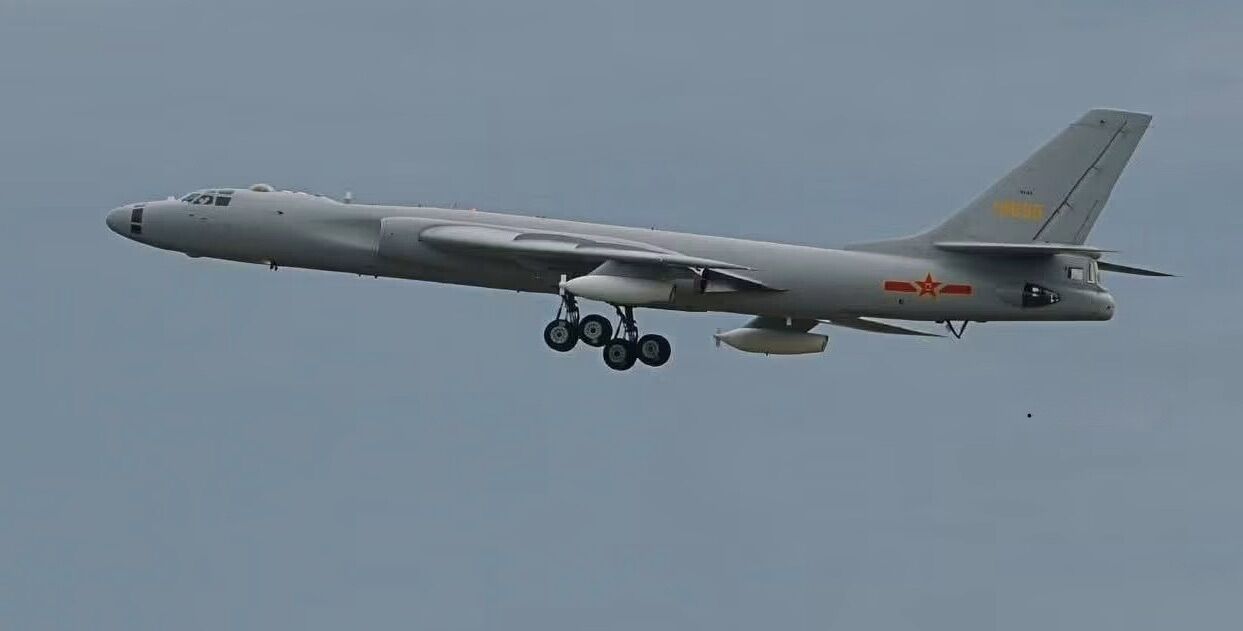
Entering service during the 1990s, the H-6U transformed Chinese air operations by providing the country's first indigenous aerial refuelling capability, substantially extending the combat radius of its growing fleet of modern fighters built at the time around Soviet Su-27 and Russian Su-30 procurements. Unlike earlier H-6 variants, the H-6U was designed as a dedicated tanker rather than a combat aircraft, with the bomber's glazed nose section replaced with a solid metal radome, while the bombing radar and associated fire-control equipment were removed to create additional space and reduce weight. The aircraft was fitted with two RDC-1 hose-and-drogue refuelling pods beneath its wings, allowing it to refuel two receiver aircraft simultaneously. Each tanker could transfer approximately 18.5 tonnes of fuel during a mission, providing sufficient capacity to support multiple fighter sorties.
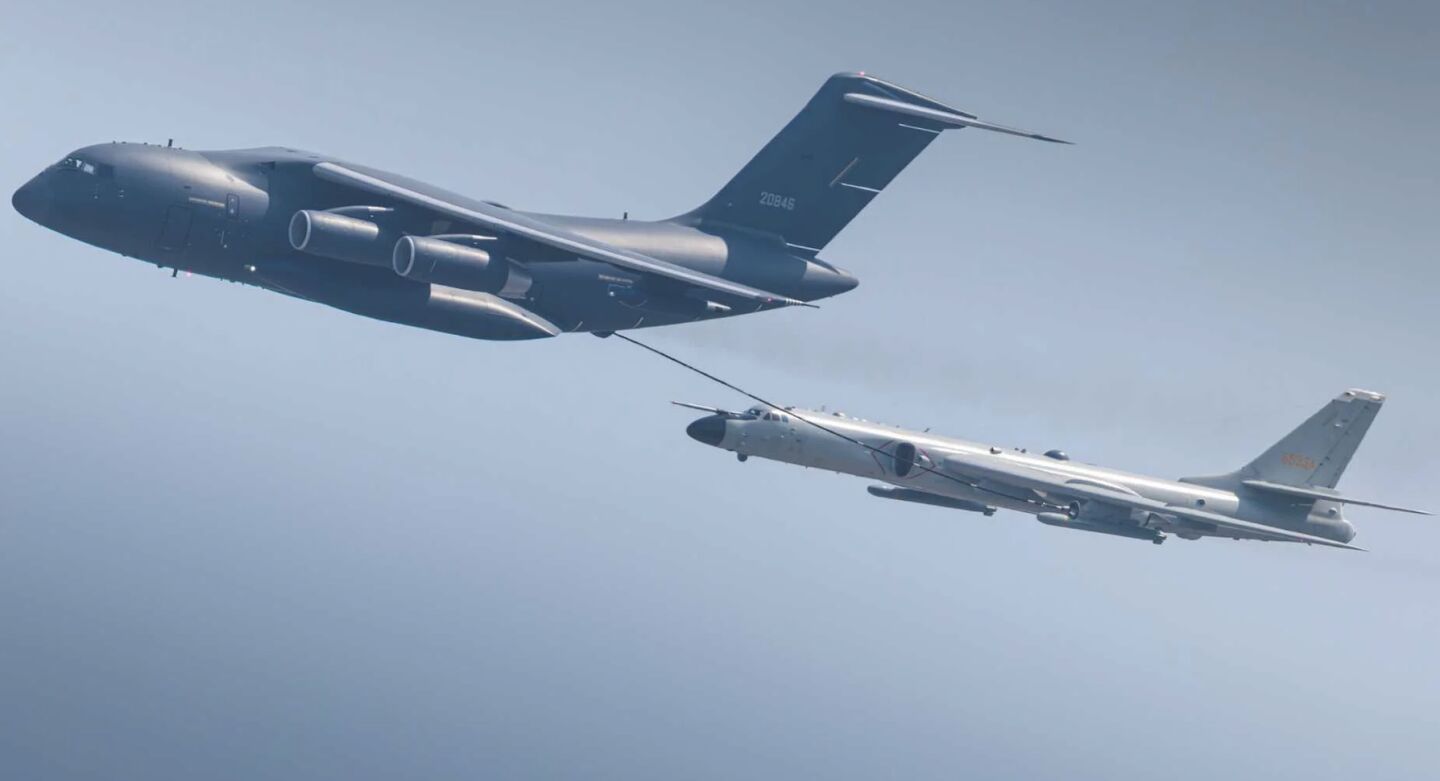
The H-6U remained limited by the characteristics of the underlying H-6 airframe. Powered by older WP-8 turbojet engines, the aircraft consumed considerably more fuel than modern turbofan-powered tankers while offering a relatively modest transferable fuel load. Compared to the Soviet-origin Il-78 tankers later acquired, the H-6U could transfer only a fraction of the available fuel, limiting the number of receivers and reducing operational efficiency during large-scale air operations. The aircraft nevertheless provided China with invaluable operational experience in aerial refuelling. The fleet has now been overshadowed by a fast growing fleet of Y-20 aircraft, which are the largest tankers in production anywhere in the world today.
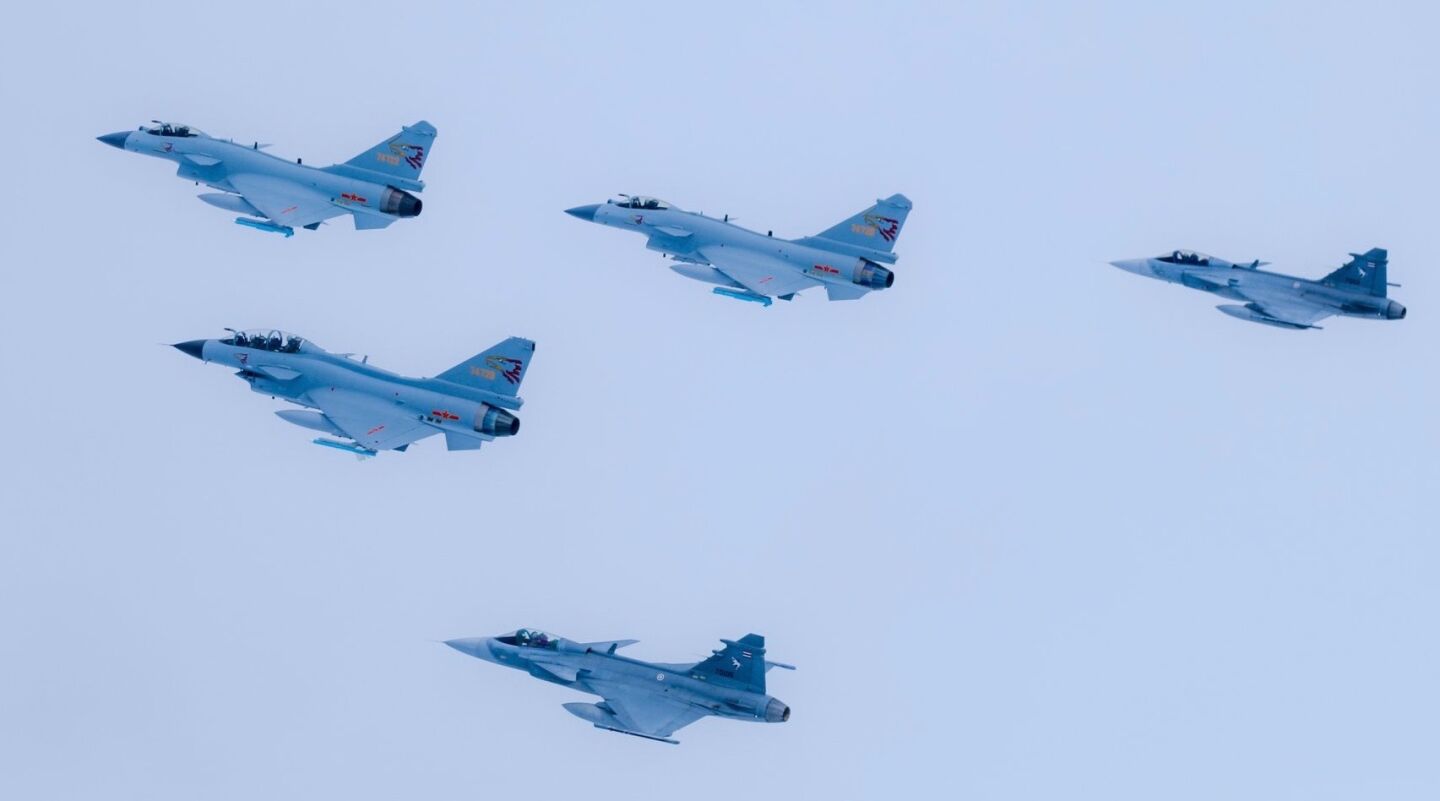
Falcon Strike exercises provide an opportunity to practise long-range deployment, aerial refuelling, airborne command and control, electronic warfare and joint air-defence operations in an international environment. Thailand’s close strategic and defence ties with countries in the Western world, however, is thought to have been a primary factor influencing China to deploy only older generations of equipment, to prevent valuable intelligence from being acquired by its adversaries. This has in the past included deployments of older Su-27 fighters to participate in exercises, denying opportunities to collect intelligence on more modern types. With the Royal Thai Air Force itself having only limited combat capabilities, and lacking significant fleets of support aircraft, or even capable ‘4+ generation’ fighters, deploying older assets also ensures that there is not too great a disparity between the two forces.
