Chinese Fighter Units Advance Manned-Unmanned Teaming with New Training Integrating ‘Loyal Wingman’ Drones
Military Watch Magazine Editorial Staff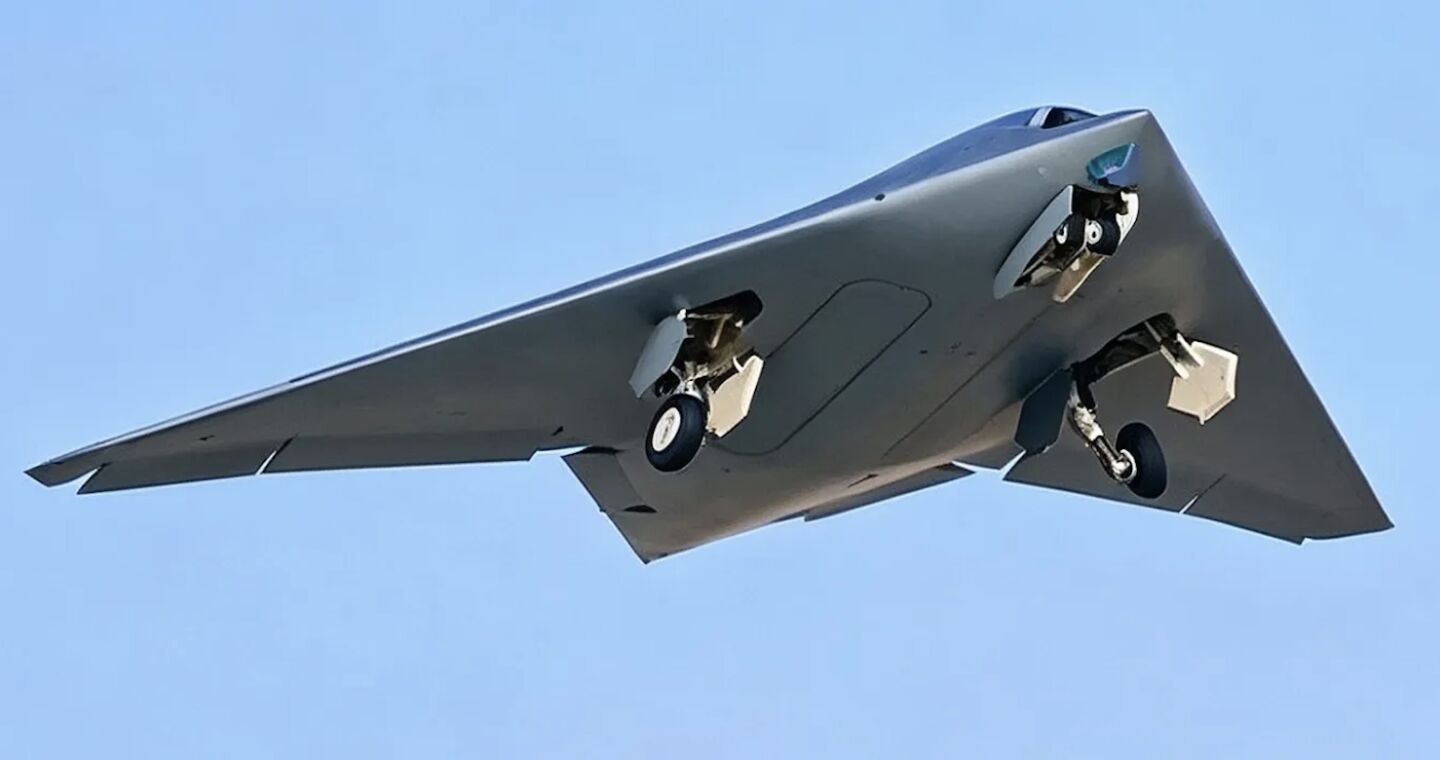
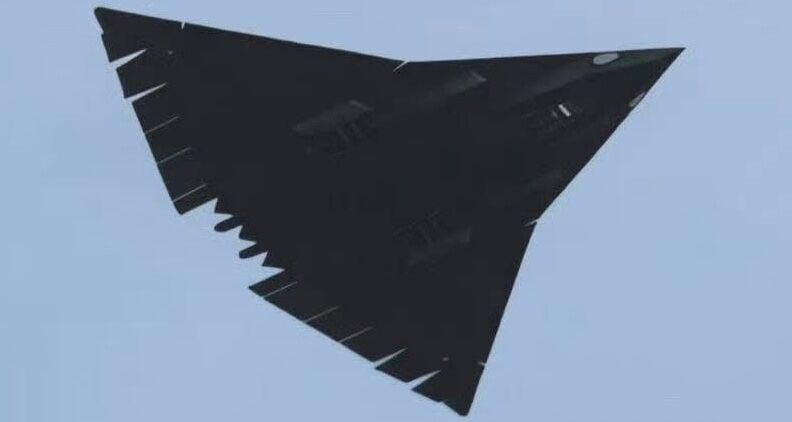
Chinese GJ-11 Drone Developed for Manned-Unmanned Teaming
The Chinese People’s Liberation Army (PLA) Air Force is increasingly incorporating artificial intelligence (AI) and unmanned combat aircraft into the training of its frontline fighter pilots, with the beginning to simulate operations involving accompanying drones. The development reflects a growing emphasis on manned-unmanned teaming, in which crewed fighters operate alongside unmanned aircraft to expand their capabilities and improve their effectiveness in combat. The Air Force is now embedding these scenarios into routine training for young pilots, including simulations involving AI-enhanced battle conditions.
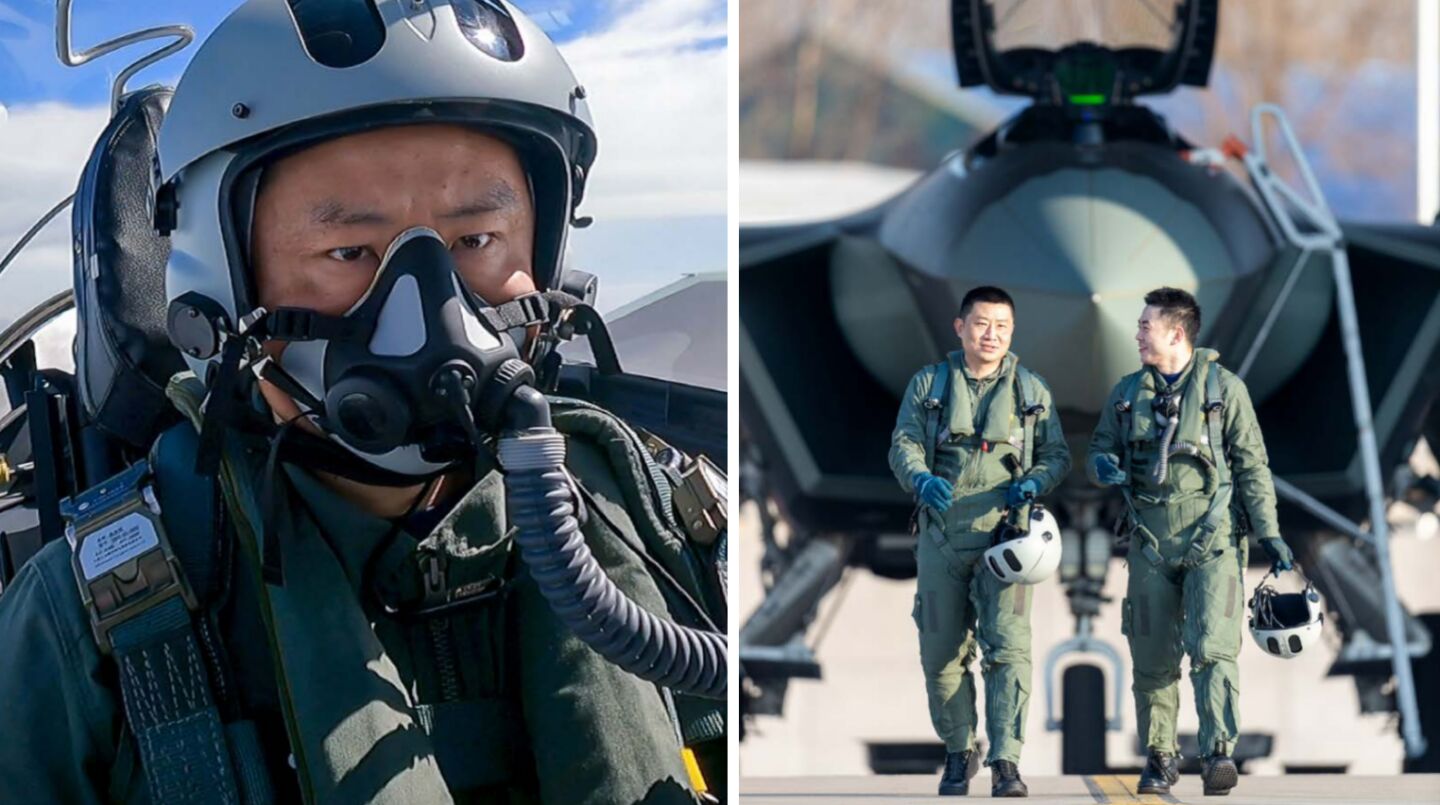
An aviation brigade under the Southern Theatre Command has incorporated manned-unmanned teaming training into its ground-based flight simulators. The systems allow young pilots to practise operating alongside virtual unmanned aircraft in a range of complex combat scenarios, including those involving attack drones. The training reportedly includes simulated support from accompanying drones, allowing pilots to become familiar with the challenges of coordinating operations between crewed and uncrewed platforms before encountering such scenarios in actual flight training. The simulations are designed to recreate demanding battlefield conditions rather than simply provide pilots with experience of flying alongside drones.
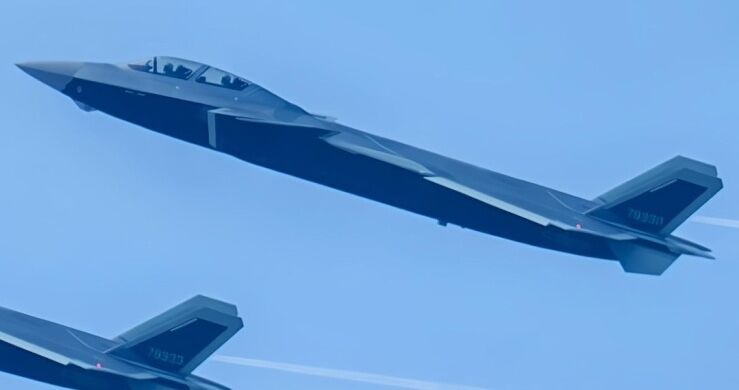
The new system can generate multiple waves of approaching targets and electromagnetic interference during simulations, forcing pilots to respond to changing threats while coordinating with their unmanned wingmen. The ability to conduct continuous simulated combat engagements is intended to improve pilots’ tactical proficiency and prepare them for the complexities of future air operations. The latest disclosure does not identify the specific fighter aircraft being used in the training program, although an accompanying image reportedly showed J-16 fighters assigned to the unnamed brigade. The program’s emphasis on young pilots also suggests that China is seeking to incorporate these tactics into its training system at an early stage, rather than treating drone cooperation as a specialised capability reserved for experienced aircrew.
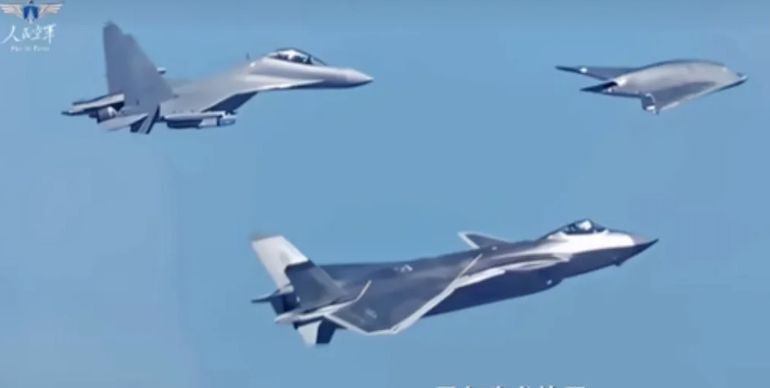
The training program follows earlier Chinese efforts to develop and validate combat methods involving crewed fighters and unmanned aircraft. A study published in June by the U.S. Air Force’s China Aerospace Studies Institute indicated that Chinese fighter units had begun participating in the validation of manned-unmanned teaming methods as early as 2024, including coordinated penetration operations involving the J-20 fifth generation fighter. The Ninth Aviation Brigade, based under the Eastern Theatre Command, was identified as one of the units involved in this work. China has also increasingly showcased its progress in integrating unmanned combat aircraft with frontline fighters, most notably the GJ-11 which appears to have operated closely alongside the J-20.
The Chinese People’s Liberation Army Air Force has for years significantly surpassed the U.S. Air Force in terms of flight training hours per annum, with the modernisation of training to reflect the growing emphasis on manned-unmanned teaming paving the way for the country’s fighter units to gain a distinct lead as the first sixth generation fighters enter service around 2030. China unveiled the world’s first sixth generation fighters in flight testing in December 2024, with no other country having brought its equivalent programs to flight prototype testing stages since then. Sixth generation fighters are expected to be designed around the requirements of manned-unmanned teaming, while a specialised variant of the J-20 fifth generation fighter, the J-20S, has also been developed for such purposes.