
China Equips World’s Longest Ranged Rocket Artillery with New ‘Steel Rain’ Airburst Munitions
Military Watch Magazine Editorial Staff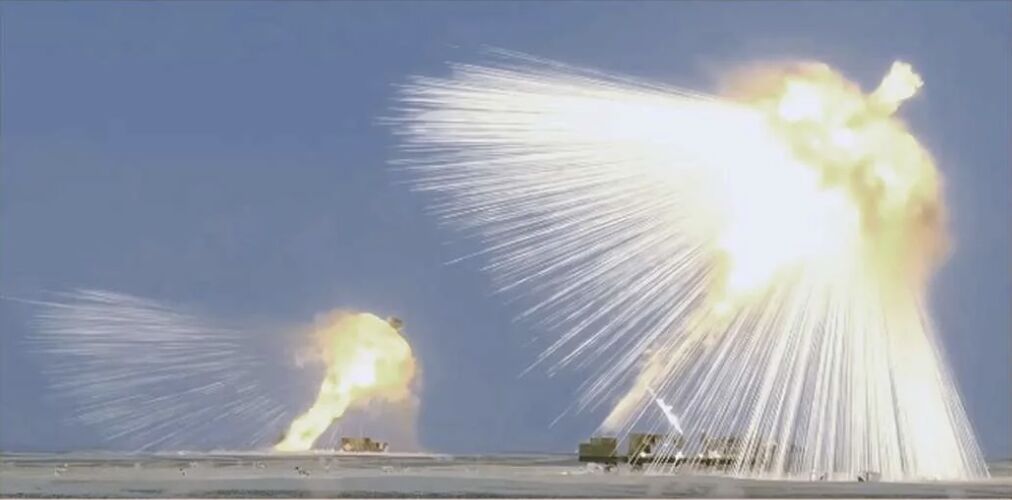
Airburst Fragmentation Rounds from PCL-191 Rocket Artillery
The Chinese People’s Liberation Army Ground Force has provided a further indication of how its extensive long-range fires arsenal could be employed in a potential conflict, with new ‘Steel Rain’ airburst munitions demonstrated from PCL-191 multiple-launch rocket systems. Footage shown several rockets detonating above a training range and dispersing large quantities of high-velocity metal fragments over the area below. The weapon appears intended primarily for suppressing personnel and lightly protected equipment rather than penetrating hardened facilities.
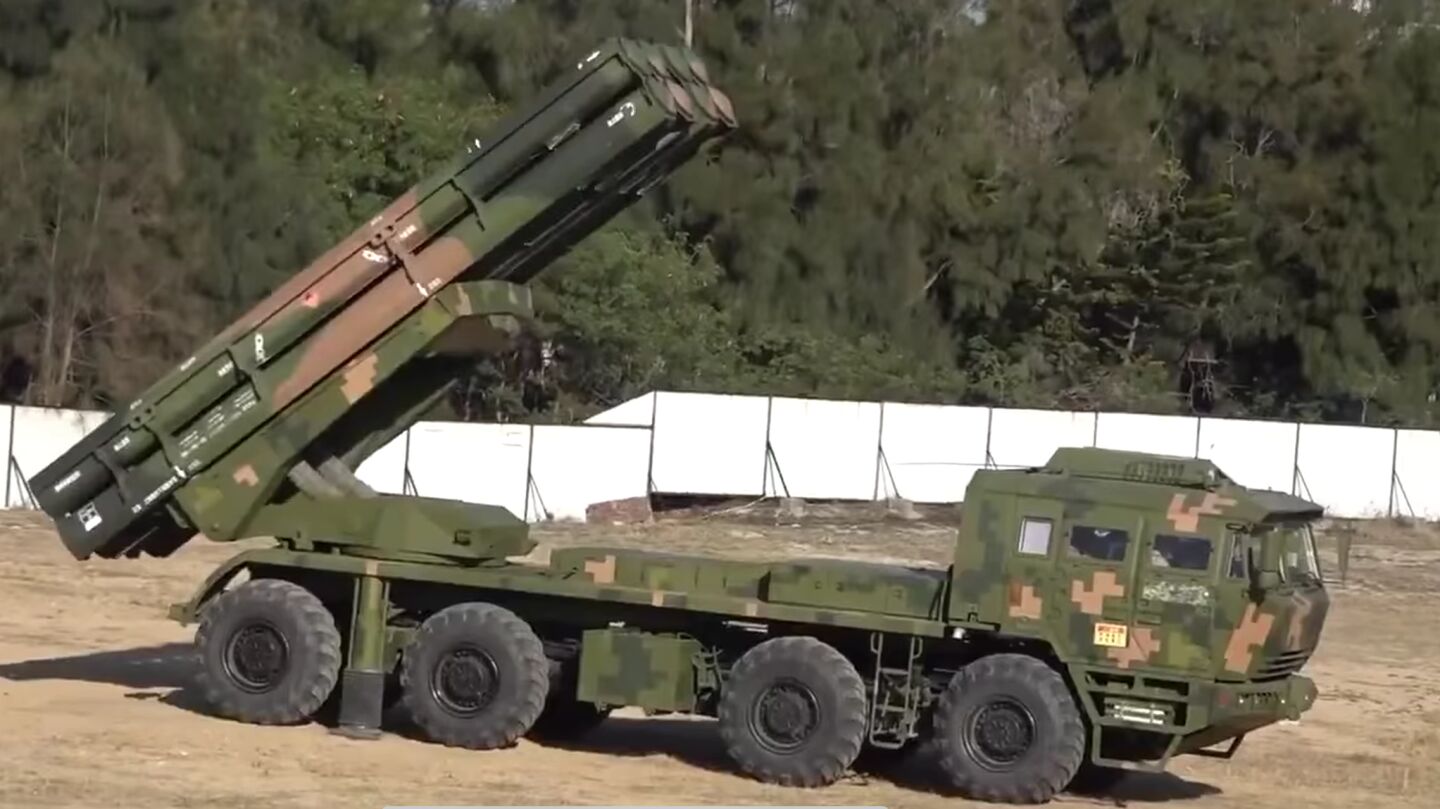
The munition is particularly significant because it expands the range of targets that the PCL-191 can engage. The system is a highly mobile, modular long-range rocket artillery platform capable of employing different types of ammunition. Its publicly displayed configurations include 300mm and 370mm rockets, while the larger modular launch system can also accommodate tactical ballistic missile-class weapons. Public estimates place the range of the various PCL-191 munitions from roughly 150 kilometres for smaller rockets to approximately 280–350 kilometres for 370mm weapons, while larger tactical missiles have been assessed at around 500 kilometres. Exact specifications of the newly demonstrated airburst munition remain unclear.
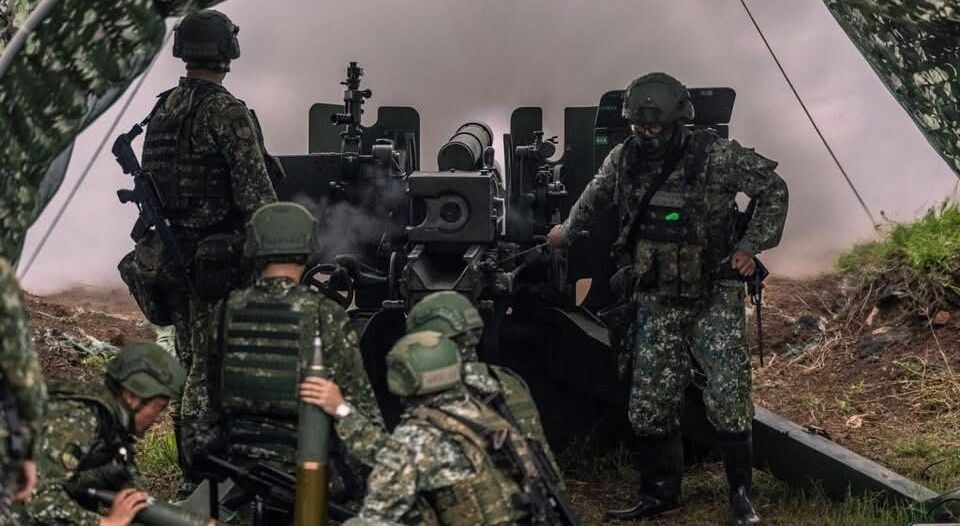
An airburst fragmentation warhead’s value lies in attacking the personnel and equipment operating outside hardened facilities, including radar crews, communications vehicles, air-defence units, maintenance teams, logistics elements and other forces that must periodically expose themselves in order to operate. This could make the munition particularly relevant during the opening stages of a major Taiwan Strait war, as rather than attempting to destroy every hostile military facility outright, mainland Chinese artillery could seek to disrupt the network required for those facilities to function. Radar systems need personnel to operate and maintain them; aircraft require ground crews to rearm and refuel them; missile batteries need to communicate with command networks; and damaged runways and infrastructure must be repaired.
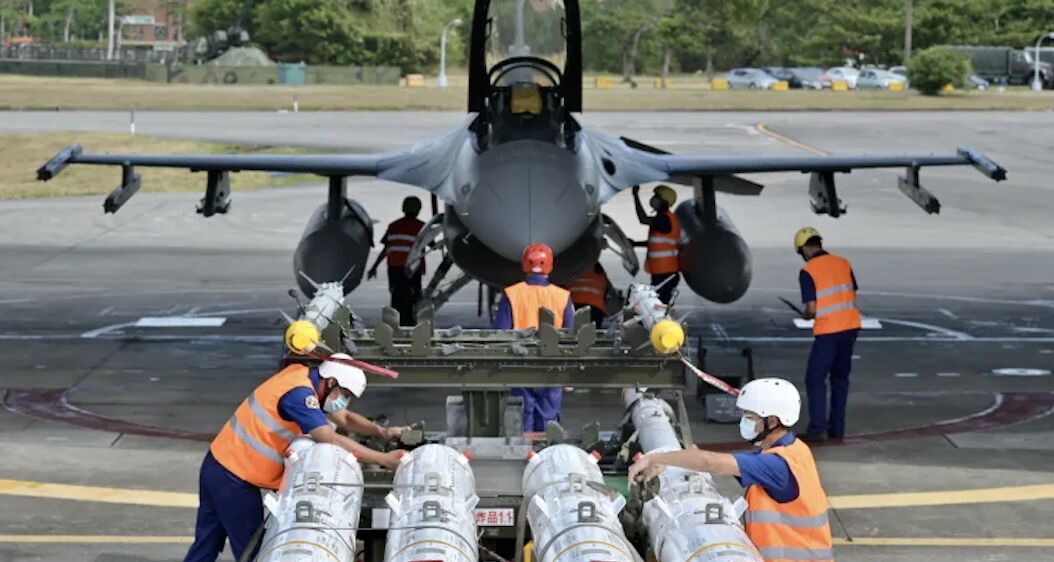
Fragmentation weapons capable of covering relatively large areas could therefore be used to impose casualties and temporarily suppress these activities without necessarily destroying the underlying hardened infrastructure. The PCL-191's mobility is an important part of this concept. Mounted on a wheeled chassis, the system can relocate after firing and can be employed from dispersed positions rather than relying on large permanent artillery sites. Its modular architecture also allows different ammunition types to be selected according to the target. This provides the Ground Force with a combination of area suppression and longer-range precision strike capabilities from a common family of launch platforms. The system has already been demonstrated in exercises explicitly involving Taiwan Strait contingencies, including large-scale drills around the island in December 2025.
