
China Develops Unique Aircraft Carrier Doctrine to Counter U.S. Navy in the Pacific
Military Watch Magazine Editorial Staff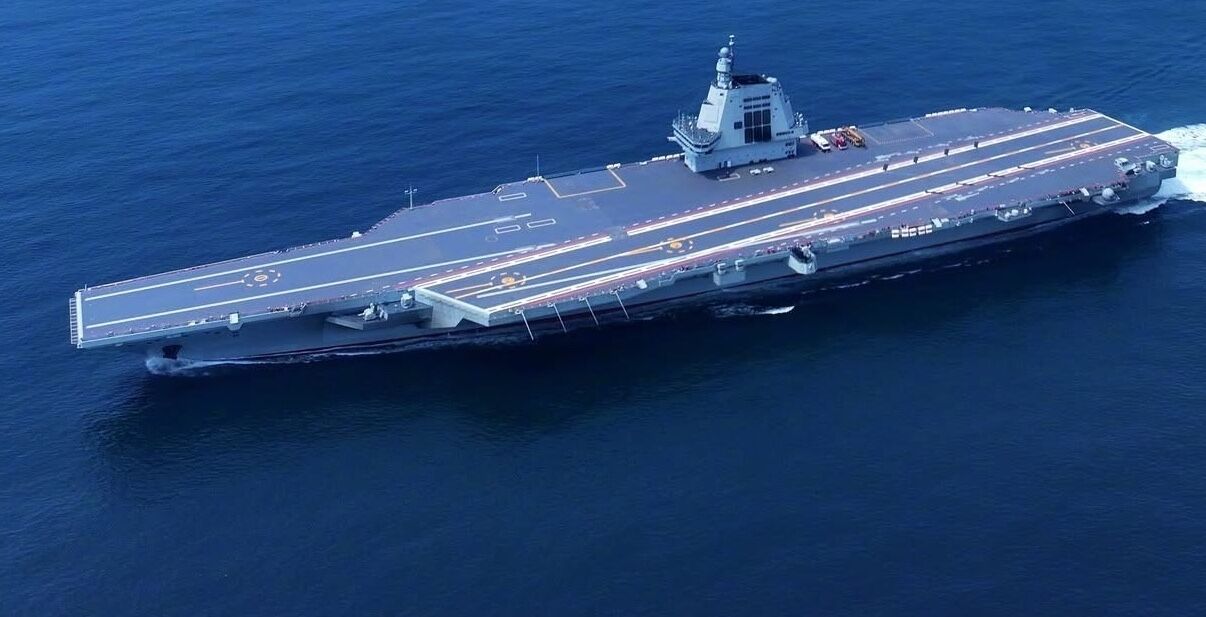
Recent assessments of the China’s aircraft carrier program has indicated that it is increasingly developing around a different strategic concept to that of the U.S. Navy, with the People’s Liberation Army Navy expected to use carriers as components of a broader regional military system, rather than replicating the American model of globally deployed carrier strike groups. Brendan Mulvaney, director of the China Aerospace Studies Institute observed to this effect: “Just because they have the same kinds of equipment doesn’t mean they will use it in the same way as the U.S.” He argued that China’s strategic objectives, missions and operational challenges are fundamentally different from those faced by the United States, meaning Beijing is likely to develop its own solutions.
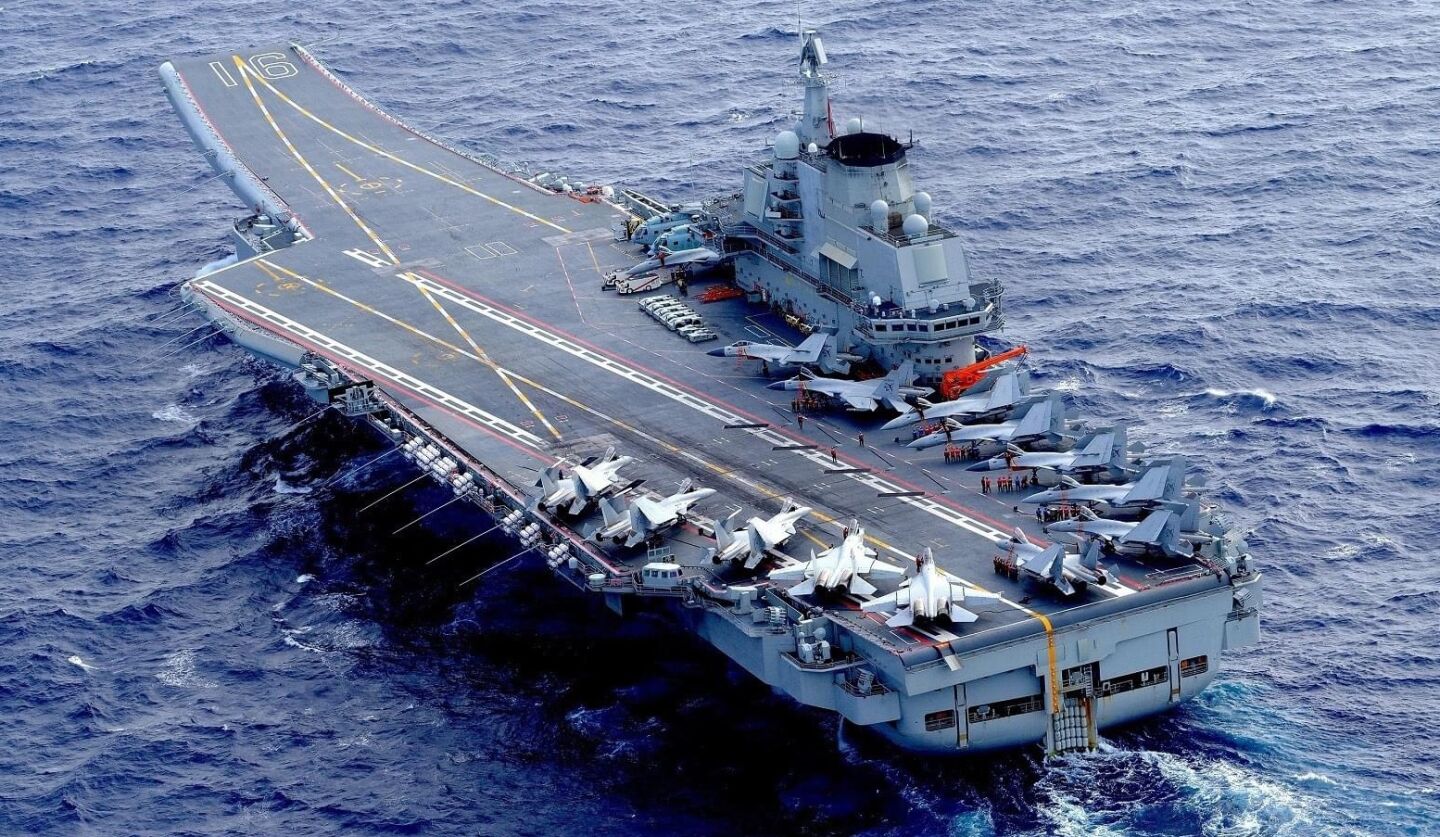
The United States developed its carrier doctrine primarily around the ability to project air power across enormous distances, with its carrier strike groups operating operate thousands of kilometres from the continental United States and provide a mobile source of combat aviation without requiring access to foreign air bases. China faces a very different geographic environment, with the Navy’s most important potential operating areas lying relatively close to China’s coastline. The Taiwan Strait, East China Sea, South China Sea and western Pacific are all within reach of extensive Chinese land-based military infrastructure.
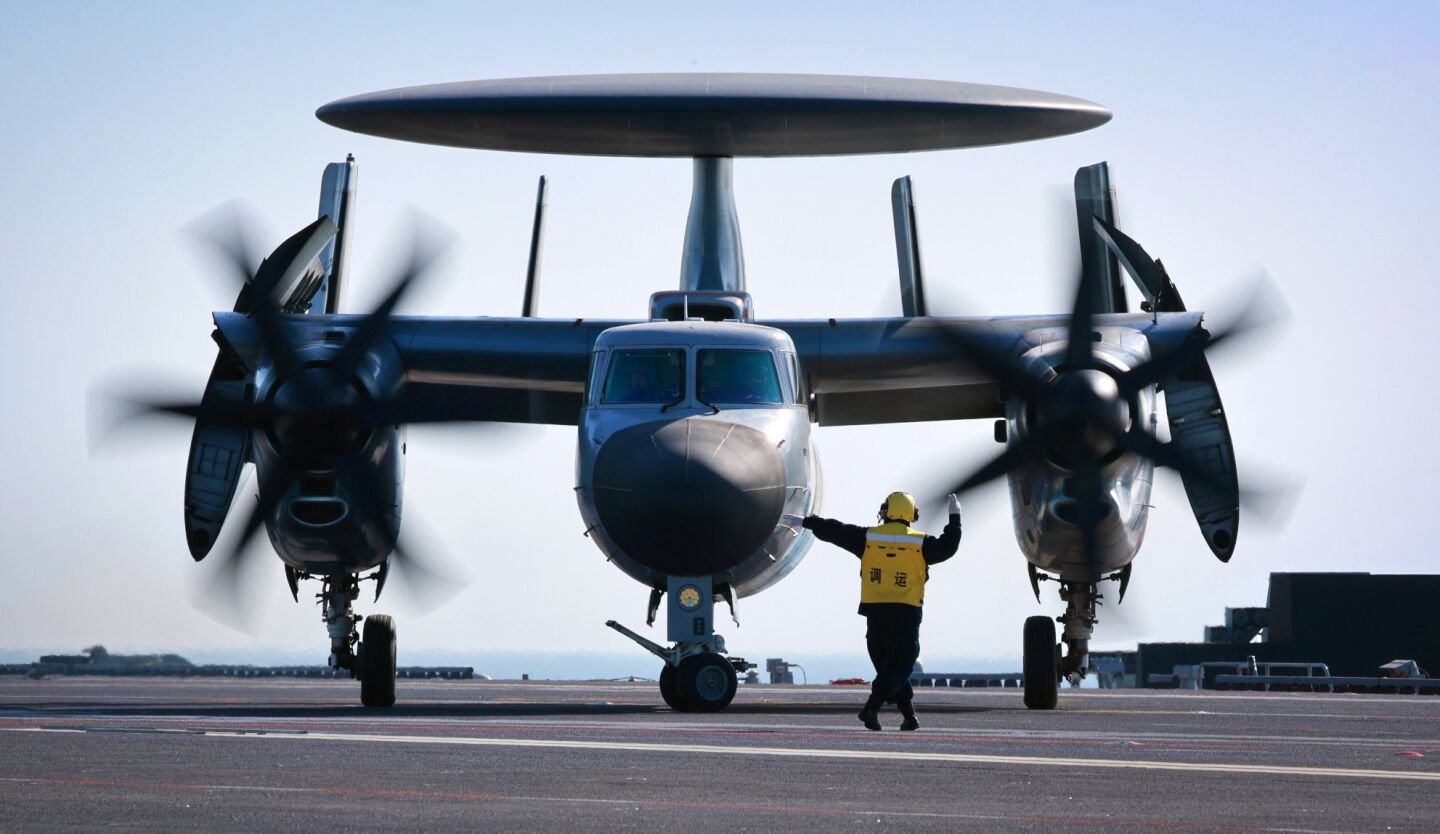
China possesses an extensive network of land-based aircraft, long-range anti-ship missiles, air-defence systems, satellites and rocket forces. These capabilities can provide support to naval forces operating in the western Pacific that a U.S. carrier would generally have to generate organically or obtain through allied and overseas bases. These potential differences in doctrine are increasingly significant, as China moves towards a much larger carrier force. The Pentagon has assessed that Beijing could expand the fleet to nine aircraft carriers by 2035, dramatically increasing maritime power projection capabilities.
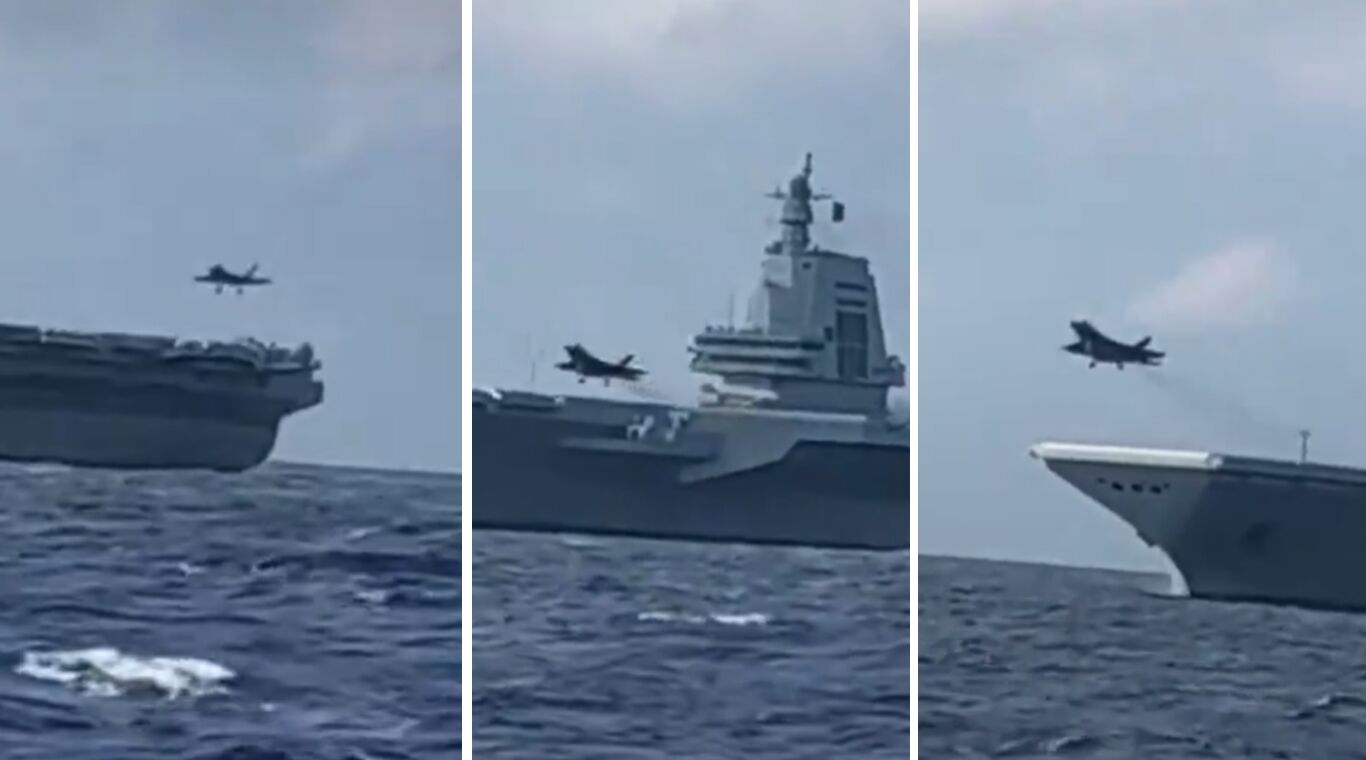
Support from land-based assets such as fighters and mobile missile launchers could create a layered military architecture in which a Chinese carrier does not have to perform every mission by itself. Air Force fighters and bombers can provide additional air power, while long-range anti-ship ballistic and cruise missiles can threaten enemy surface forces at considerable distances. A carrier operating within this system could consequently concentrate on missions for which its mobility provides an advantage.
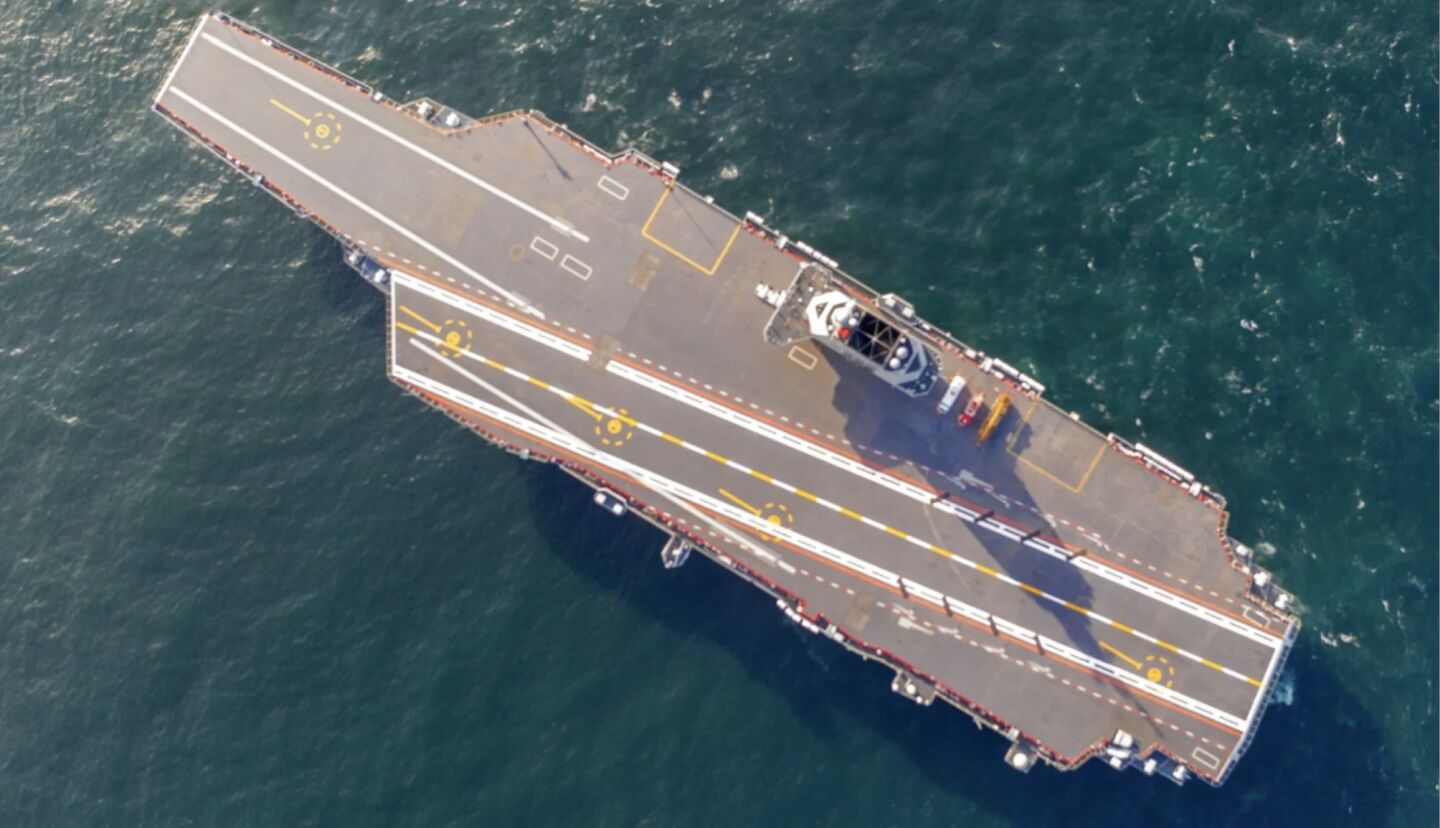
China’s first supercarrier, the Fujian, was confirmed in April to be set to undergo a full transition from initial to full operational capability before the end of the year. Elaborating on the complexities of the ship’s first far seas operations, local analysts observed that once such exercises began external interference could come into play, including contact with surveillance aircraft and other ships from potentially unfriendly countries, testing the strike group’s ability to respond quickly, flexibly, and precisely. The ship’s commissioning in November 2025 represented a major landmark in China’s carrier program, providing the world’s first peer level competitor to the U.S. Navy’s Gerald Ford class supercarriers, and the first supercarrier to enter service outside the United States.
