
China Adds Three Major Sections to First Nuclear Powered Aircraft Carrier in Just Five Days
Military Watch Magazine Editorial Staff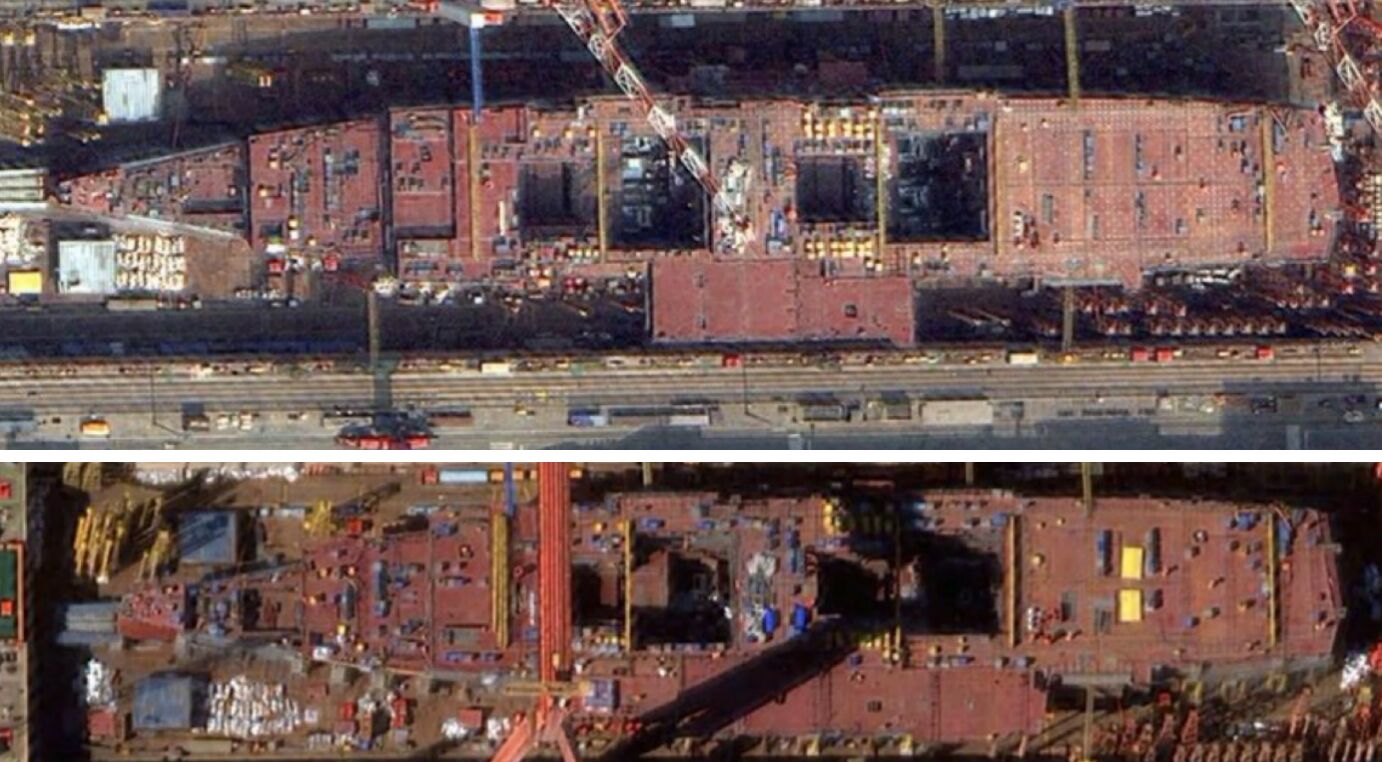
Footage Showing Production of Type 004 Supercarrier
China’s Dalian Shipyard has continued the rapid assembly of the country’s first nuclear powered supercarrier, with three additional sections of the future flight deck reportedly installed in just five days. The latest construction activity provides a further indication of the pace at which the carrier is being assembled, with the vessel’s hull and upper structures becoming increasingly recognisable in recent satellite imagery. The warship is commonly referred to as the Type 004, although China has not officially confirmed the designation or publicly disclosed the specifications of the vessel. Satellite imagery has shown construction work for over two years from 2024.
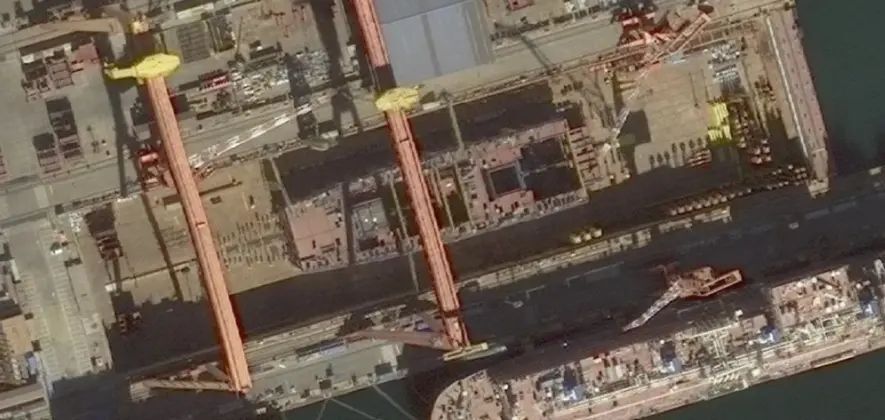
The latest additions are particularly significant because the flight deck is among the largest and most complex structures to be assembled on an aircraft carrier. The installation of multiple sections over such a short period indicates that prefabricated components are being produced separately and delivered to the dry dock for rapid integration into the ship. Recent imagery has already shown large external structures being attached to the port side of the carrier. Two major sponson-like structures were visible in imagery from late September, while additional flight-deck components have continued to appear around the hull as construction progresses. The pace of construction follows a series of major milestones throughout 2026. By August, satellite imagery showed the carrier’s hull approaching approximately 320 metres in length and 46 metres at its widest visible point, although those measurements did not include the full flight deck or the completed bow.
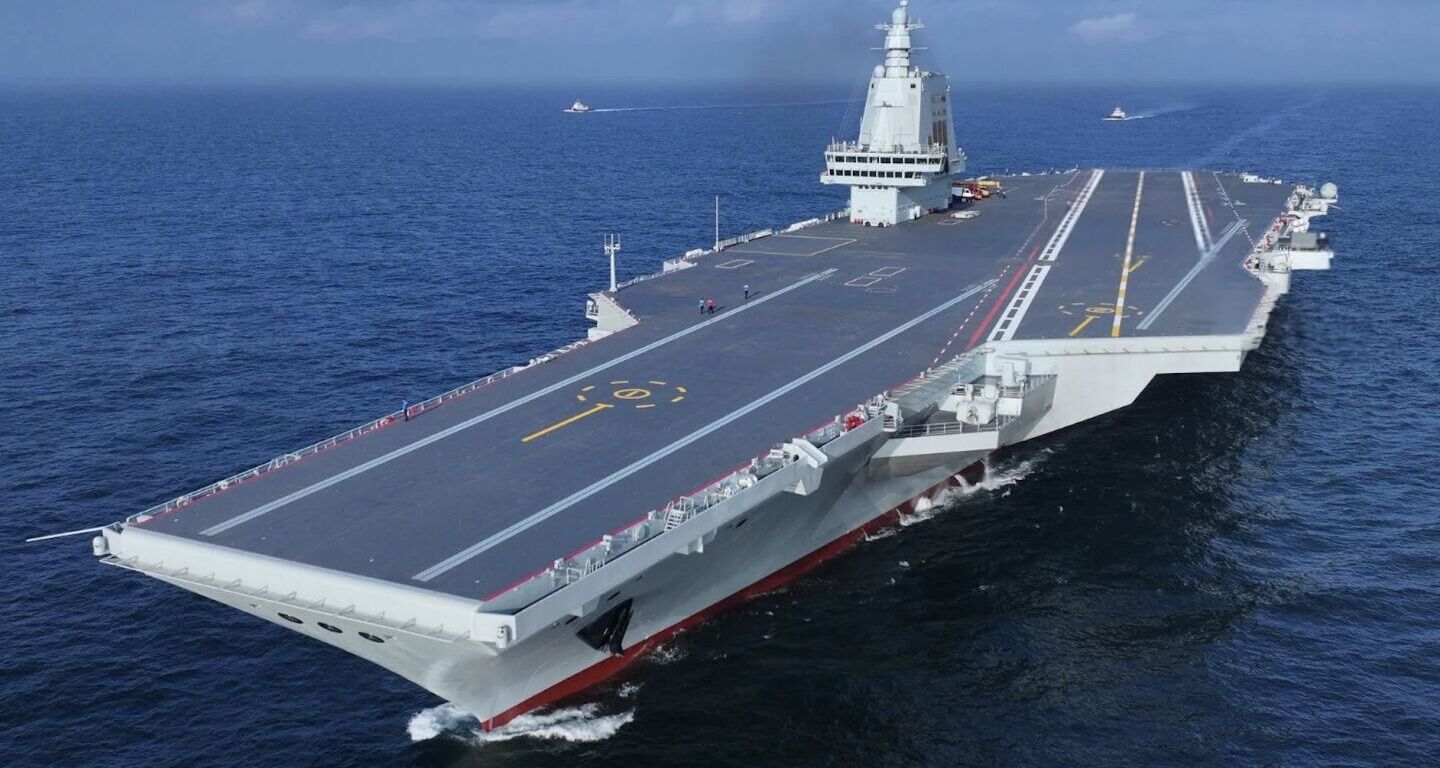
More recent imagery has allowed analysts to estimate that the completed vessel could measure approximately 336 to 339 metres in length once the bow and other unfinished sections are incorporated. This would make it the longest aircraft carrier in the world, with the U.S. Navy’s Gerald Ford class aircraft carriers being 333 metres long. This is in line with expectations that the new aircraft carrier will be the largest warship in the world, substantially larger than China’s first supercarrier the Fujian which entered service in 2025. The Fujian is China’s first carrier equipped with electromagnetic catapults and a conventional CATOBAR configuration, and is expected to be the first of several conventionally powered supercarriers in service.
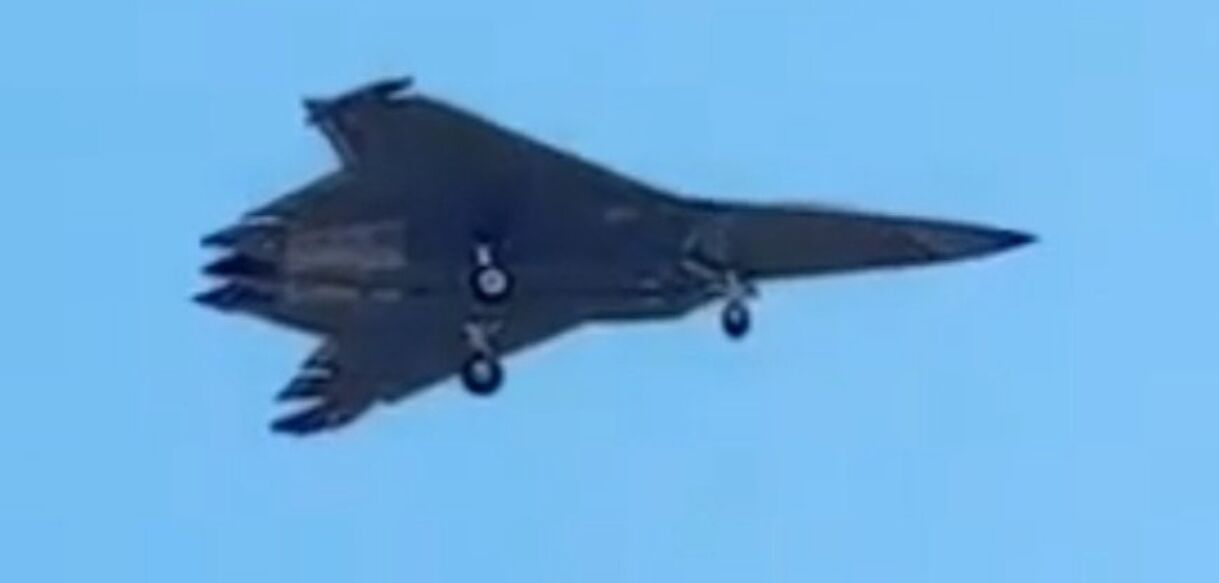
The new supercarrier is expected to be the largest in the world at close to 110,000 tons. A larger carrier provides additional internal volume for aviation fuel, weapons, maintenance facilities, crew accommodation, machinery and aircraft. A larger flight-deck area can allow a carrier to operate more aircraft while simultaneously launching and recovering them. In November new images from the Dalian Shipyard showed the installation of structures within the developing hull that appear broadly consistent with reactor containment arrangements. China is not only building much larger carriers, but is also expected to be years ahead of the United States in integrating sixth generation fighters into the air wings of such ships, as the country’s defence sector has achieved a significant lead in developing such aircraft.
