
China’s Supercarrier Ops. Becoming More Complex: Navy’s Offensive Capabilities Growing Rapidly
Military Watch Magazine Editorial Staff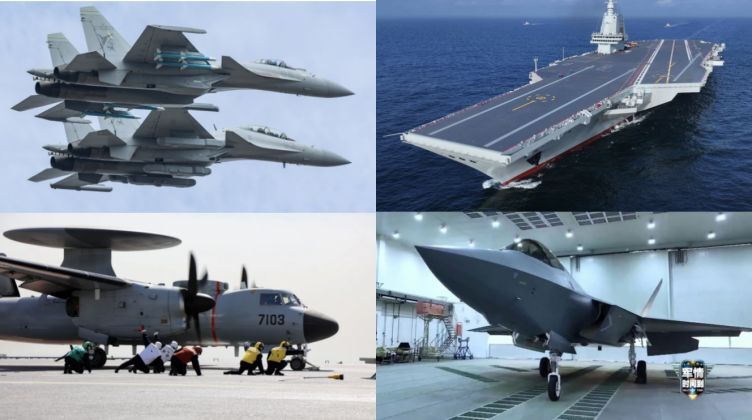
Chinese PLA Navy J-15 and J-15D, Fujian, KJ-600 AEW&C, J-35 Fighter
One year after China’s first supercarrier, the Fujian, was commissioned into service on November 5 2025, Chinese sources have widely reported that the warship and its air wing are poised to take part in significantly more complex operations. Referred to by Chinese state media as having reached an optimised operational state, significant questions have been raised regarding how the carrier’s operations will now evolve. Developing and operating the supercarrier has posed significant challenges, with the warship integrating a much larger and more diverse air wing that preceding Chinese carriers, and using an electromagnetic catapult system with new training requirements. Having largely perfected operating individual aircraft successfully, the air wing is expected to shift towards coordinating as an integrated combat force under demanding conditions.
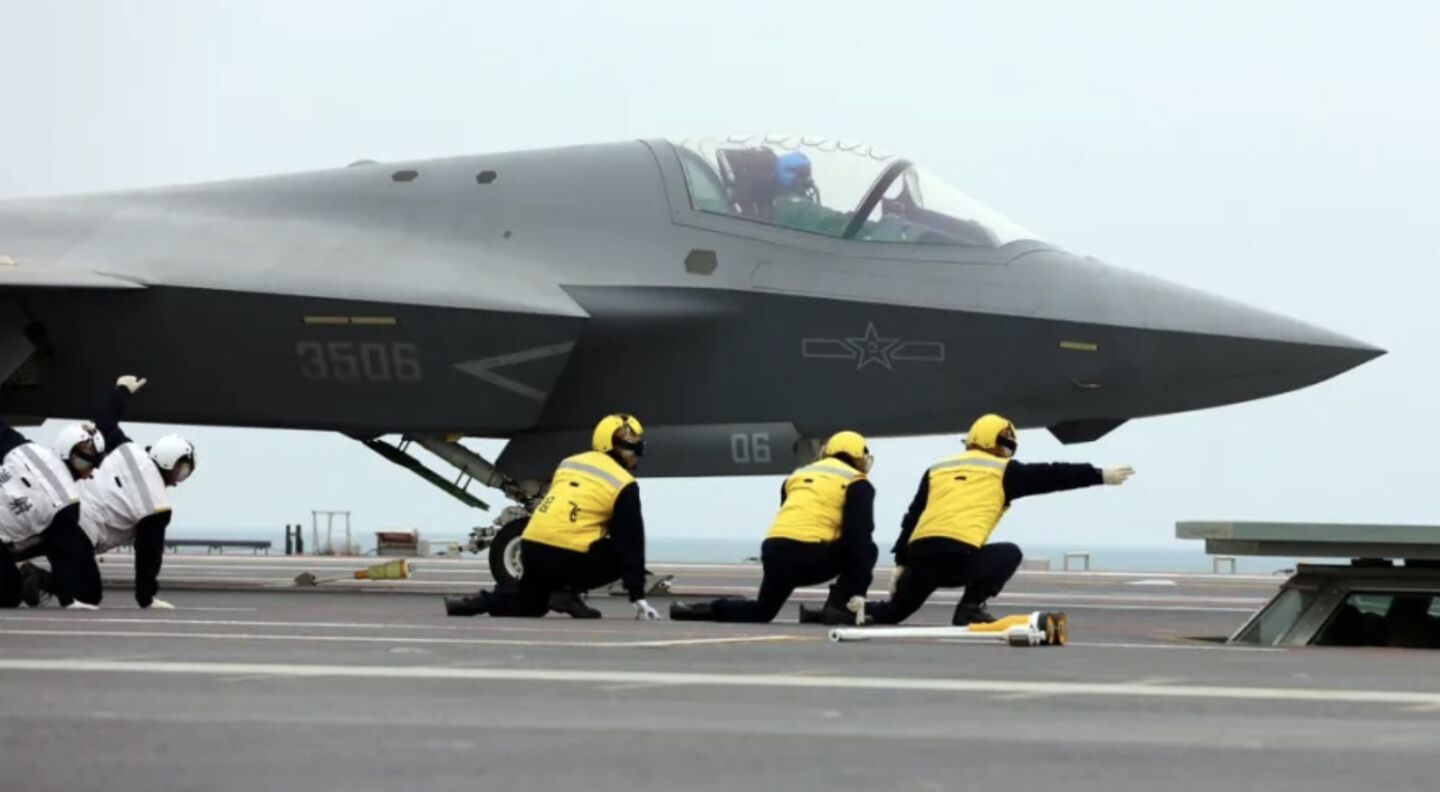
The Fujian has three electromagnetic catapults, allowing it to launch multiple aircraft near simultaneously. Taking full advantage of this very high potential sortie generation rate require precise launch scheduling, aircraft positioning, and recovery operations, as well as maintaining high maintenance standards for the aircraft onboard. One of the most important developments would be moving from occasional catapult launches and recoveries towards sustained, high-tempo flight operations, launching and recovering aircraft repeatedly while managing aircraft movements, refuelling, rearming, maintenance and the preparation of subsequent sorties. Beyond the intensity of launches and recoveries, sustaining flight operations over an extended period would test whether the ship can maintain a consistent operational tempo as aircraft return with varying fuel levels, require maintenance or need to be rearmed for subsequent missions.
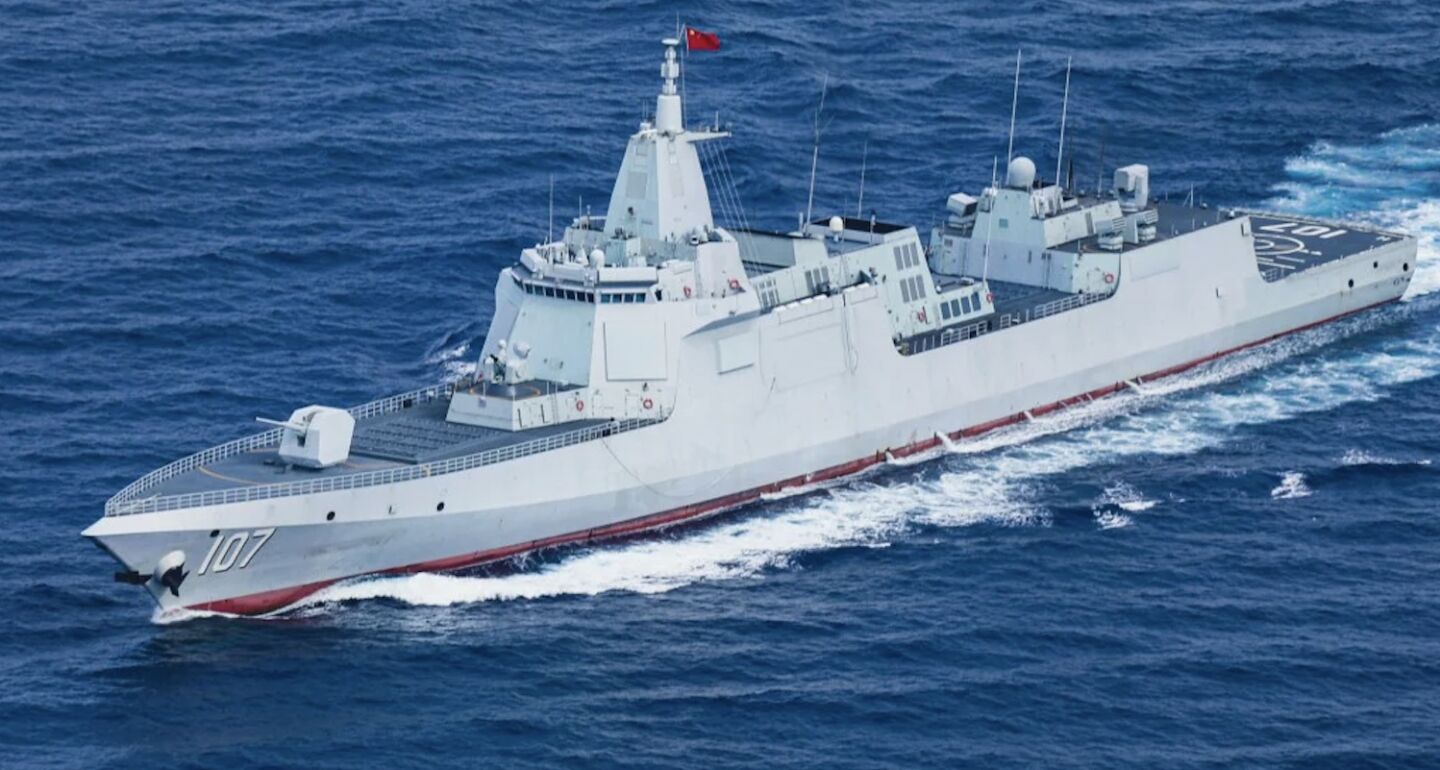
The Fujian, like all carriers, does not operate in isolation. Its effectiveness will depend on coordination with escorting destroyers, frigates and supporting vessels, which provide additional air defence, anti-submarine warfare, surveillance and logistical support. The Navy has already conducted training involving the Fujian, Type 055 and Type 052D class destroyers, and Type 054A frigates, which have included formation navigation and joint ship-aircraft search-and-rescue training, providing an initial foundation for more integrated operations. More complex training could see the carrier and its escorts to coordinate their activities across wider areas while responding to multiple simulated threats, sharing information, maintaining formation cohesion and coordinating their respective responsibilities without interfering with flight operations. The KJ-600 AEW&C system in particular could serve as a force multiplier for destroyers by very significantly increasing situational awareness, complementing the Type 055’s unique dual-band radar system.
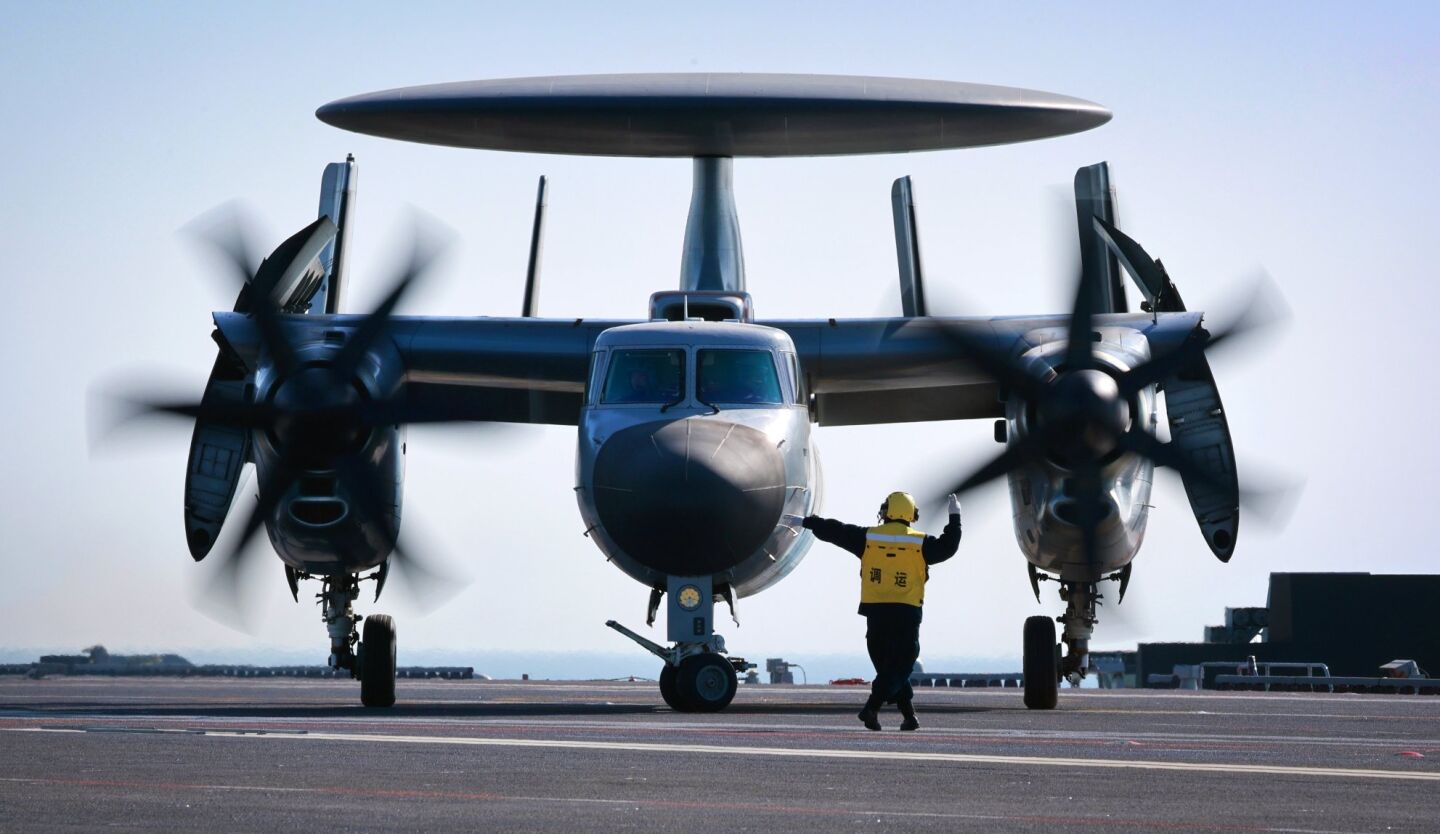
As the carrier group gains experience, its training could combine several challenges in the same exercise rather than testing each capability separately. A large-scale exercise could involve maintaining airborne surveillance, coordinating fighter patrols, conducting electronic warfare training and managing repeated flight operations while the carrier and its escorts respond to simulated threats. Adding night operations, poor weather or disrupted communications would place further demands on the group. Such exercises would test whether the Navy can manage competing demands without allowing one part of the operation to undermine another. The carrier would need to balance flight-deck tempo with aircraft maintenance, while its command staff would have to coordinate the air wing and escort ships as the situation changed. This progression could also help reveal weaknesses that may not appear during more controlled training.
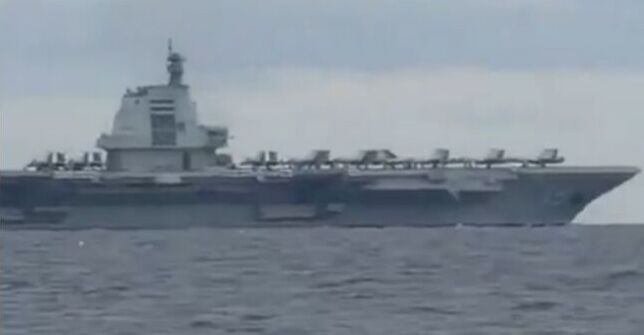
One of the Fujian’s greatest advantages over its predecessors is its integration of several specialised aircraft types as a coordinated force. Its air wing includes four particularly important categories, namely J-35 stealth fighters, J-15B heavyweight fighters, KJ-600 airborne early warning aircraft, and J-15D electronic warfare aircraft, all of which have highly complementary capabilities. No other carrier operates a comparable air wing, with Chinese fighters having much longer ranges, more impressive flight performances, and integrating significantly larger more powerful radars than their U.S. counterparts. Operating them together to make use of their complementary capabilities will likely require increasingly integrated exercises. For example, airborne early warning aircraft could provide a wider surveillance picture, fighters could practise coordinated defensive patrols, and electronic warfare aircraft could increase survivability of wider formations. Such training would test communications, tactical coordination, mission planning and the ability to distribute information between aircraft and the carrier.
