
China Launches Major Show of Force in Orbit as Space Plane Repeatedly Recaptures Satellite
Military Watch Magazine Editorial Staff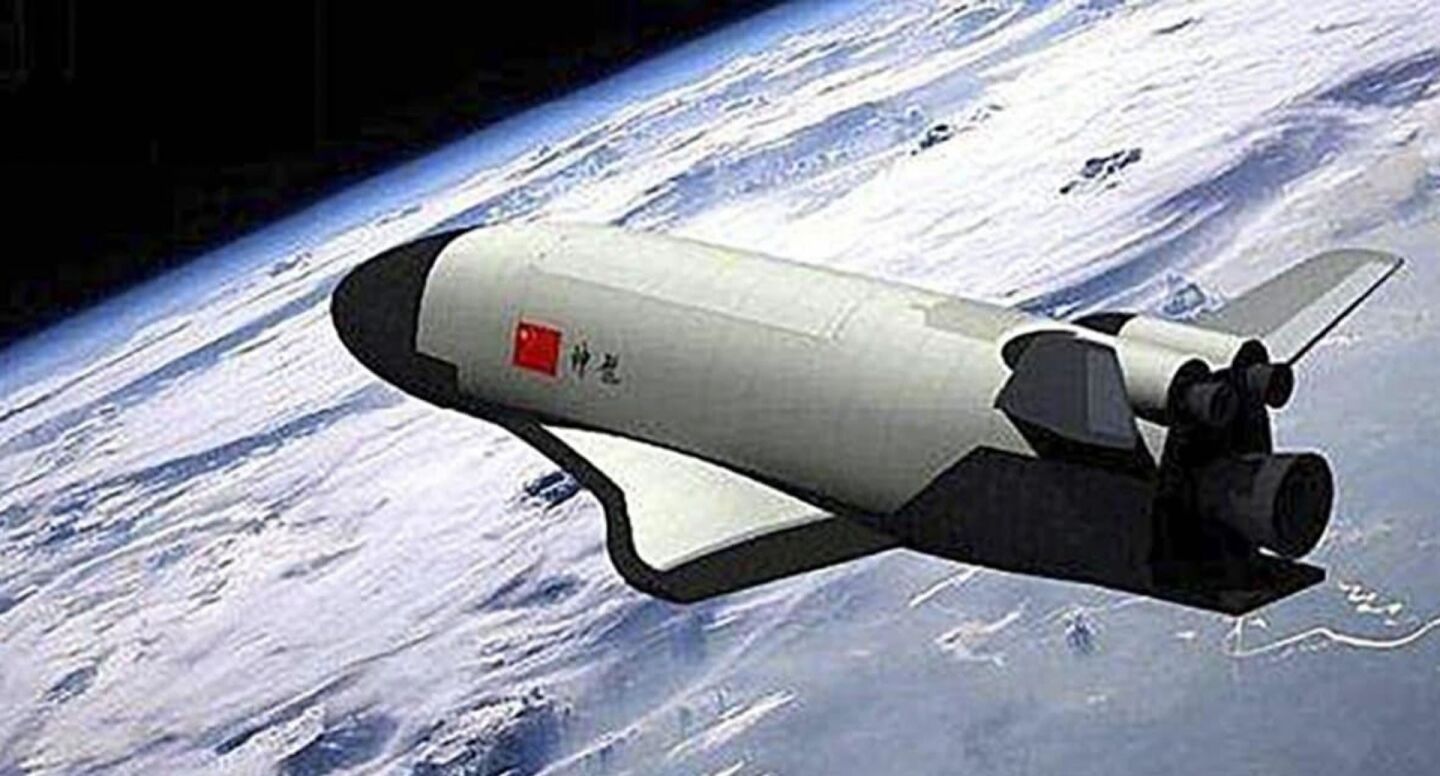
Shenlong Space Plane - Artwork
China’s reusable spaceplane the Shenlong has demonstrated a sophisticated sequence of orbital manoeuvres involving the repeated release, pursuit and recapture of a small satellite, providing new evidence of the vehicle’s ability to conduct rendezvous and proximity operations in space. Tracking data indicate that the spacecraft released the same object in June, retrieved it approximately three weeks later, released it again in August and then manoeuvred back towards it for another apparent capture in September. The activity was identified by astrophysicist and spaceflight analyst Jonathan McDowell using U.S. Space Force tracking data.
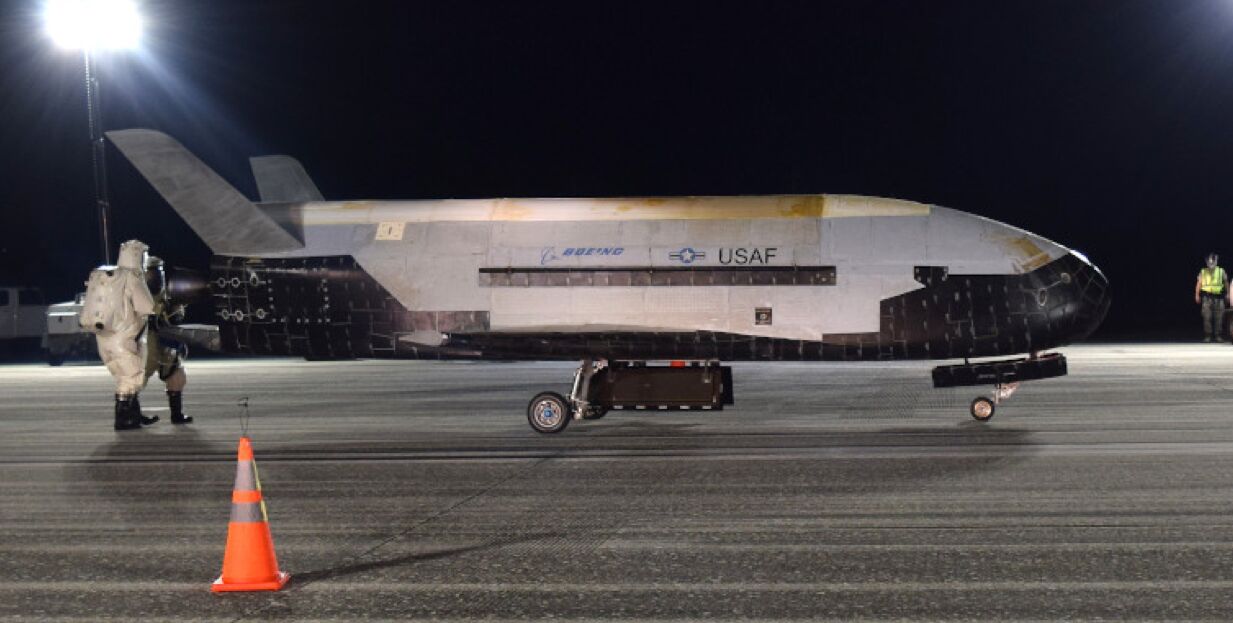
The Shenlong, meaning ‘Divine Dragon,’ is a reusable, winged spacecraft launched vertically on a rocket before returning to Earth and landing on a runway, broadly analogous in concept to the U.S. X-37B. China’s government has provided very limited information regarding the objectives of the missions, describing the program in general terms as an experimental reusable spacecraft intended to support peaceful space applications. The spacecraft’s latest mission began on February 6, when it was launched from the Jiuquan Satellite Launch Centre aboard a Long March 2F rocket. It is the fourth known orbital mission of the vehicle. The first mission, launched in 2020, lasted only a few days, while the second mission remained in orbit for approximately nine months from August 2022 to May 2023. The third mission, launched in December 2023, similarly remained in orbit for roughly nine months before returning in September 2024.
The Shenlong released a small satellite on June 21 before apparently bringing it back aboard around July 12. The object was then deployed again in late August, after which the spaceplane separated from it by several thousand kilometres before conducting another rendezvous on September 10 and apparently recapturing it on September 13. Repeated deployment, rendezvous, docking or capture and other proximity operations as characteristic features of the Chinese reusable spacecraft program. Repeated rendezvous and proximity operations are fundamental to a number of emerging space capabilities, including satellite servicing, inspection, repair, refuelling, debris removal and the assembly of larger structures in orbit.
A spacecraft capable of repeatedly approaching another object can potentially perform detailed inspections of it, determine its physical condition and monitor its behaviour at close range. If equipped with appropriate hardware, the same basic technologies can theoretically be adapted to interfere with, disable, relocate or otherwise manipulate another spacecraft. This dual-use nature is one reason China’s orbital manoeuvres have attracted very considerable attention in the Western world. Chinese RPO activities are consistent with satellite inspection, servicing and space situational awareness, even though the underlying capabilities could potentially have military applications.
