
China Deploys Recon Drones and Aircraft to Monitor U.S. and Japan’s Taiwan War Drills
Military Watch Magazine Editorial Staff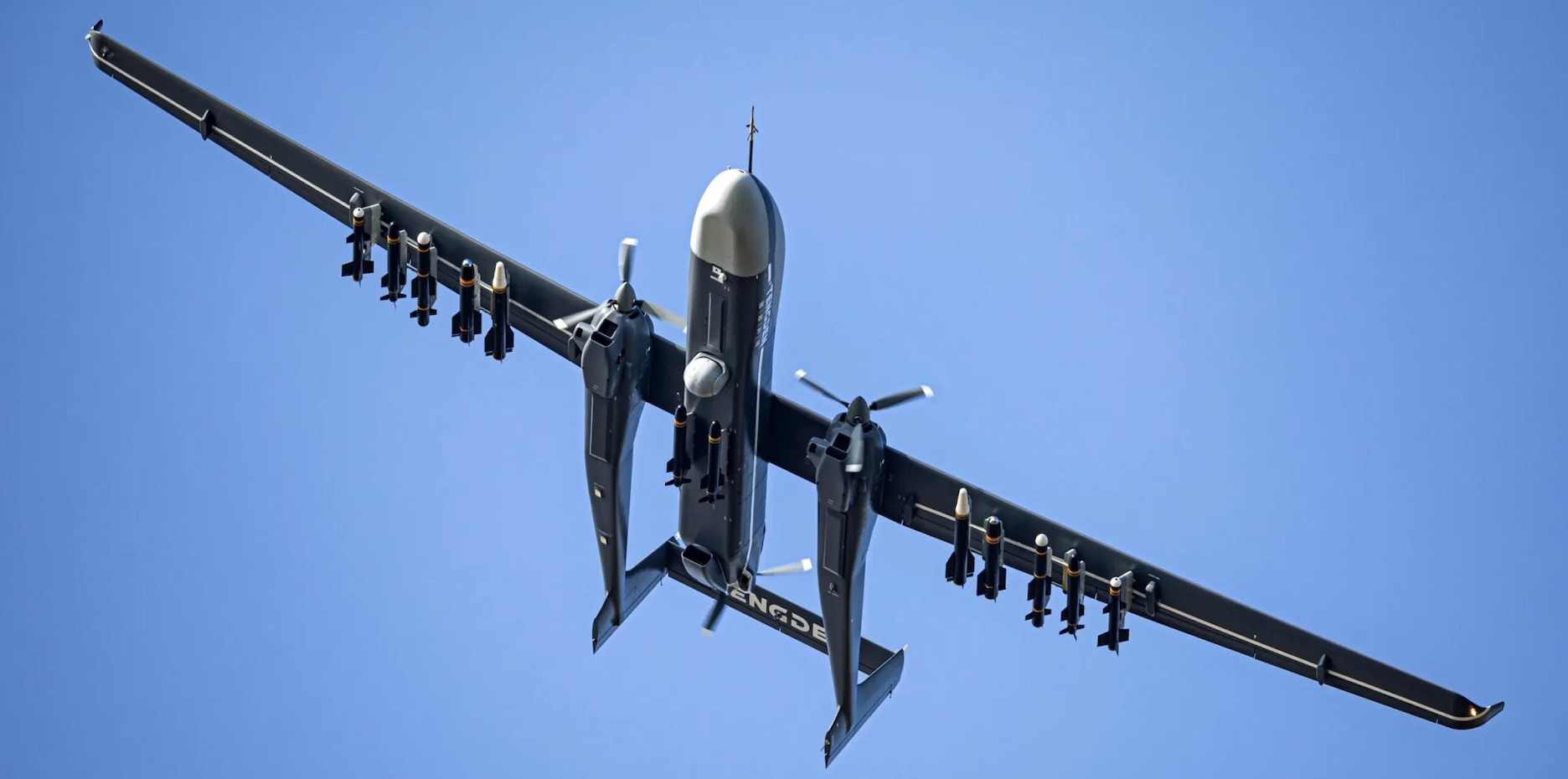
Chinese TB-001 Multirole Long Range Drone
The Chinese People’s Liberation Army has deployed reconnaissance drones and naval vessels for operations around Japan, as U.S. and Japanese forces begin large-scale Keen Sword 27 joint military exercises. Japan’s Ministry of Defence reported that three Chinese aircraft, including two drones and a reconnaissance aircraft, flew through international airspace between Japanese islands and into the Pacific Ocean before returning towards mainland China. The activity prompted Japan to scramble fighter aircraft to monitor the movements. The surveillance coincides with an exercise placing particular emphasis on waging war around Japan’s southwestern islands, which closely border the Taiwan Strait. Analysts have widely noted that the exercises appear to also prepare for potential Taiwan Strait war.
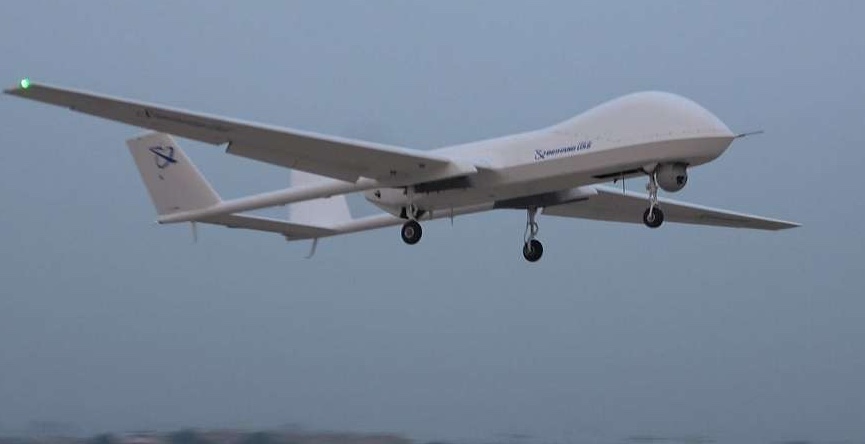
The aircraft identified by Japan included a BZK-005 reconnaissance drone and a Y-9 intelligence-gathering aircraft, which approached from the East China Sea before passing through the Miyako Strait between Okinawa’s main island and Miyako Island. A separate TB-001 reconnaissance and attack drone reportedly flew between Yonaguni Island and Taiwan before heading northeast towards waters off Amami Oshima and returning towards China through the Miyako Strait. These routes allowed the aircraft to operate around Japan’s southwestern island chain and into the western Pacific. The reported flights took place as Japanese and American forces began their biennial joint exercise. China deploys one of the most advanced and diverse fleets of reconnaissance drones in the world, including aircraft with advanced stealth capabilities, and others capable of operating at extreme altitudes and hypersonic speeds.
Keen Sword 27 involves approximately 45,000 Japanese and 12,000 American personnel. Seven additional countries are participating in elements of the drills, including Australia, Canada, France, Germany, the Netherlands, New Zealand and the Philippines. Five of those countries including France, Germany, the Netherlands, New Zealand and the Philippines are participating for the first time, according to Japan’s Joint Staff. The timing of the Chinese surveillance activity reflects the strategic significance of the waters between mainland China, Taiwan and Japan. The Miyako Strait provides a major route from the East China Sea into the Pacific, while the waters around Yonaguni Island lie close to Taiwan’s eastern approaches. Monitoring these areas can help the People’s Liberation Army gather information about allied aircraft movements, operational patterns and the deployment of military equipment.
