
China’s Primary Air Defence System Demonstrates Ability to Destroy High-Manoeuvring Ballistic Missiles
Military Watch Magazine Editorial Staff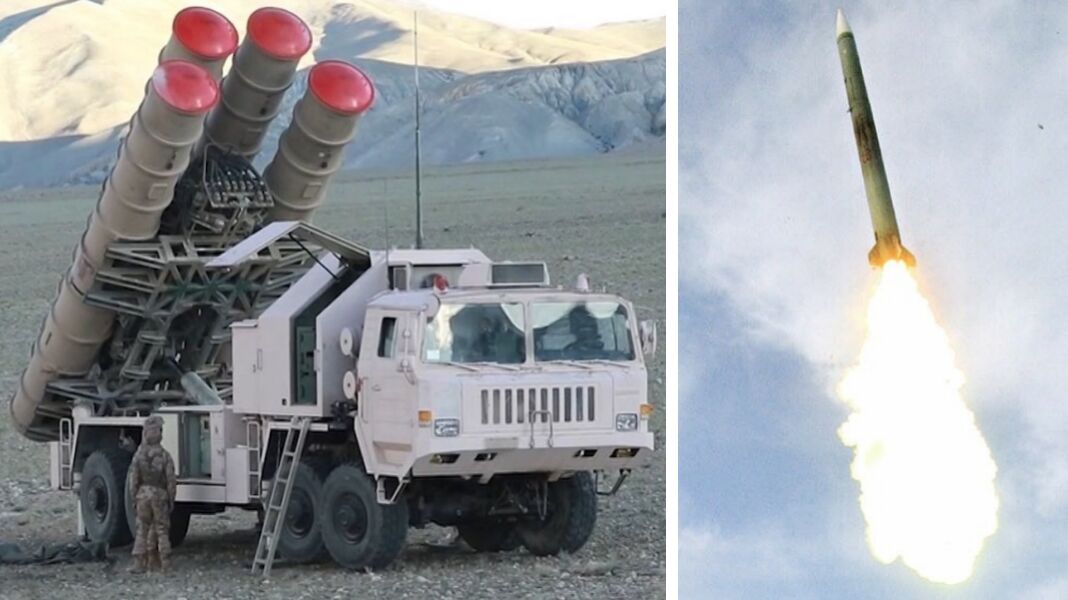
Launcher and Missile Launch From Chinese HQ-9 Long Range Air Defence System
A Chinese People’s Liberation Army HQ-9B surface-to-air missile system has conducted two successful interceptions of ballistic missile targets, highlighting the expanding capabilities of the primary long-range air defence system in Chinese service. One of the missiles altered its trajectory and descended sharply during flight, requiring the defending unit to launch an interceptor within an extremely narrow engagement window. The exercise provides an indication of the capabilities being developed by China's air-defence forces to counter missiles employing more unpredictable flight profiles. The unpredictability of the missile’s trajectory illustrated the importance of rapid threat assessment and engagement procedures when confronting manoeuvring missile targets.
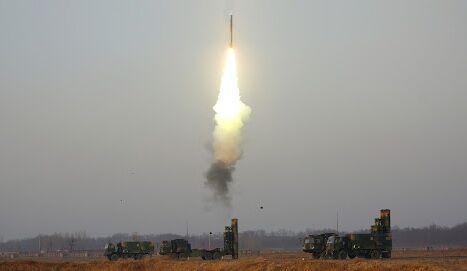
A particularly important aspect of the reported engagement was the interceptor's ability to respond to sudden changes in the target's trajectory. Conventional ballistic missile interception is already technically demanding because incoming warheads can travel at extremely high speeds, leaving defenders with limited time to detect, track and engage them. Manoeuvring targets introduce an additional challenge by making their future trajectories less predictable, potentially reducing the effectiveness of interception solutions based on conventional ballistic flight calculations. The engagement was conducted by the PLA Air Force's Shenwei Missile Battalion. According to personnel interviewed by state broadcaster CCTV, the unit had not been informed in advance which particular targets it would be assigned to intercept. During the engagement, one incoming missile abruptly changed direction and descended rapidly, forcing the unit to make an immediate decision to launch. Battalion personnel emphasised that even a delay of one or two seconds could have resulted in the interception opportunity being lost.
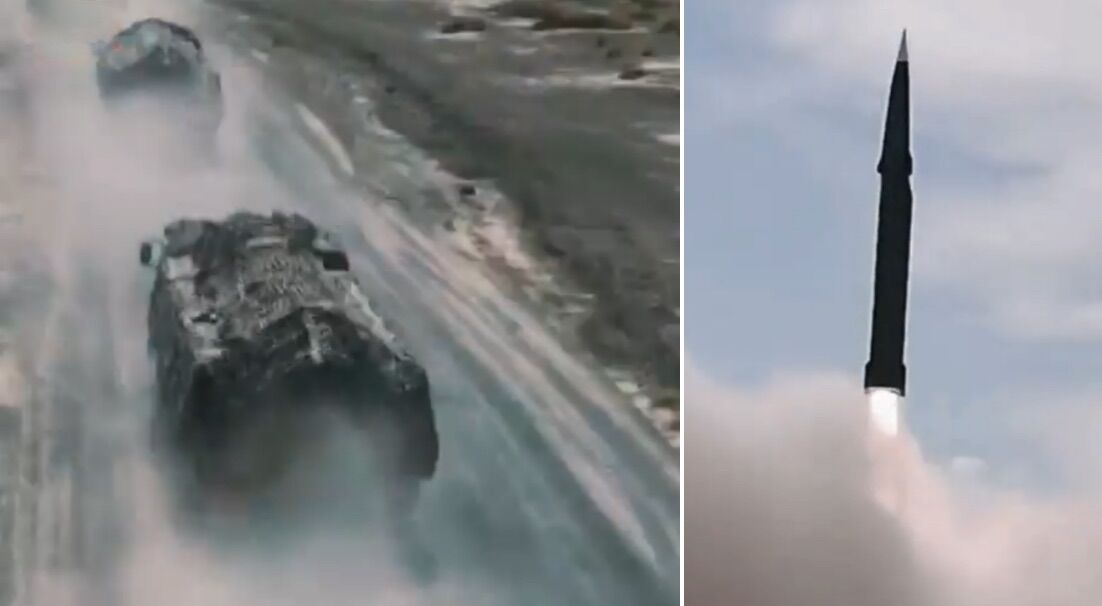
The reported engagement is particularly significant given the growing development of manoeuvring re-entry vehicles and other advanced ballistic missile technologies. Several countries are investing in systems designed to alter their trajectories during the terminal phase of flight, making them more difficult to predict and intercept than conventional ballistic warheads. China's own DF-17 hypersonic glide vehicle and other advanced missile programmes illustrate the importance Beijing places on developing weapons capable of penetrating increasingly sophisticated air and missile-defence networks. The ability to intercept targets that make substantial mid-flight manoeuvres would therefore represent an important capability for defending military installations, command centres and other strategically important infrastructure against advanced missile attacks.
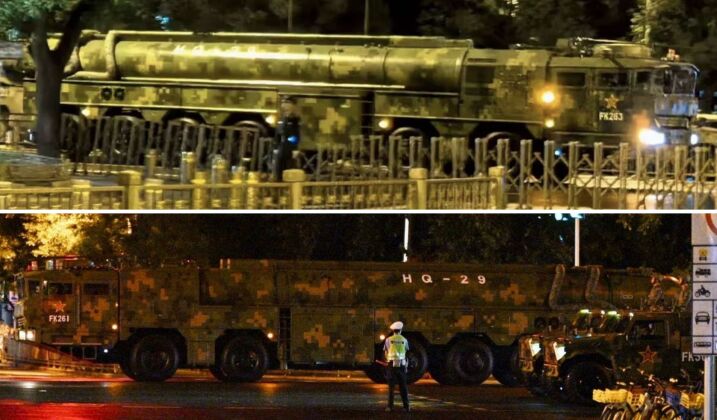
The HQ-9B forms part of a much broader Chinese effort to develop a layered air and missile-defence architecture incorporating several different interceptor classes. New higher tier anti-ballistic missile systems have more recently been introduced into service, most notably the HQ-19 and HQ-29, the latter which is the only road-mobile system outside Russia capable of intercepting intercontinental range ballistic missiles. The recent interception and continuous updates to the HQ-9 have prompted speculation about whether the system could eventually achieve the capability engage hypersonic glide vehicles, possibly through the integration of new generations of interceptor missiles and new software. Hypersonic glide vehicles present particularly difficult challenges because they combine very high velocities with the ability to manoeuvre across less predictable flight paths, potentially complicating radar tracking and reducing the time available for defensive engagement. However, a successful interception of a manoeuvring ballistic missile target does not by itself demonstrate an ability to defeat operational hypersonic glide vehicles.
