China Deploys Long Range Radar to Cambodia, Extending Situational Awareness Into Southeast Asia
Military Watch Magazine Editorial Staff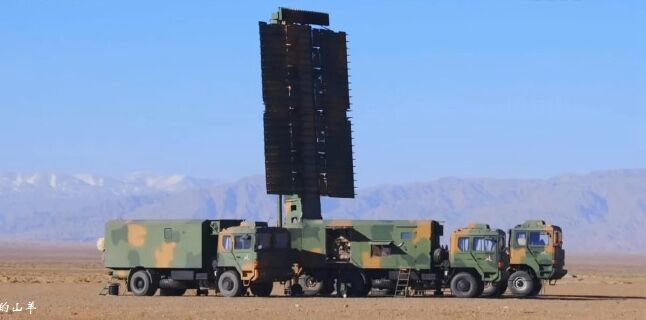
Chinese LCQ-776 Long Range Radar
A Chinese People’s Liberation Army LCQ-776 long-range air surveillance radar has appeared in Cambodia during the Golden Dragon 2026 joint military exercises, with footage showing the large mobile sensor alongside Cambodian forces during the opening ceremony of the drills. Its presence raises questions about whether China is preparing to provide Cambodia with a more sophisticated air surveillance network, or whether the system has been transferred temporarily for the exercises. The LCQ-776 is a three-dimensional air surveillance and early warning radar designed to detect and track aerial targets over long distances. Its 500 kilometre detection range would allow it to monitor aircraft operating across much of Cambodia and potentially beyond its borders, depending on the altitude of the targets and local terrain.
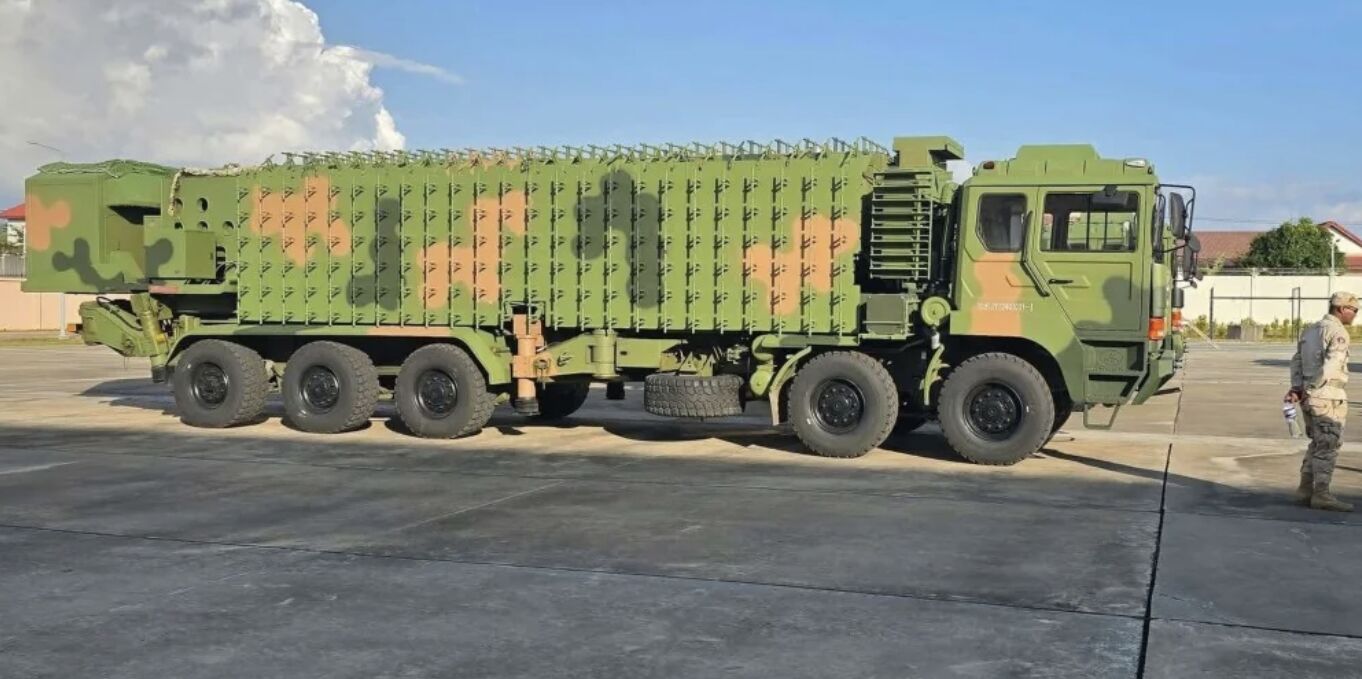
If permanently installed at Ream, the LCQ-776 could provide coverage of parts of neighbouring Thailand and Vietnam, as well as surrounding maritime approaches in the Gulf of Thailand and the South China Sea. It is possible that the system could be provided as aid, under an arrangement that sees Chinese forces also gain access to its data. The radar’s appearance comes as Ream Naval Base undergoes a major expansion supported by China, with new facilities and infrastructure intended to support closer military cooperation between Beijing and Phnom Penh. The base, located on Cambodia’s southern coast, has considerable strategic value due to its proximity to the South China Sea and the maritime routes connecting Southeast Asia with the Indian Ocean.

The LCQ-776 operating at Ream would be well positioned to monitor military aircraft and maritime activity across the Gulf of Thailand, potentially improving the ability to track movements in waters close to Cambodia’s southern coastline. This could strengthen Cambodia’s maritime domain awareness while also giving China a more favourable operating environment for naval activities in the region. The LCQ-776 could complement Cambodia’s existing Chinese-supplied air defence systems, including the KS-1C surface-to-air missile system acquired in 2023. The KS-1C has a reported engagement range of up to 70 kilometres, while the LCQ-776 would provide a much wider surveillance radius, potentially allowing Cambodian forces to detect approaching aircraft well before they enter the missile system’s engagement envelope. The combination could therefore improve Cambodia’s ability to identify aerial threats, maintain a broader picture of its airspace and coordinate responses to potential attacks.