
China and Indonesia Launch First Major Joint Exercises in 14 Years as Major Fighter Deliveries Loom
Military Watch Magazine Editorial Staff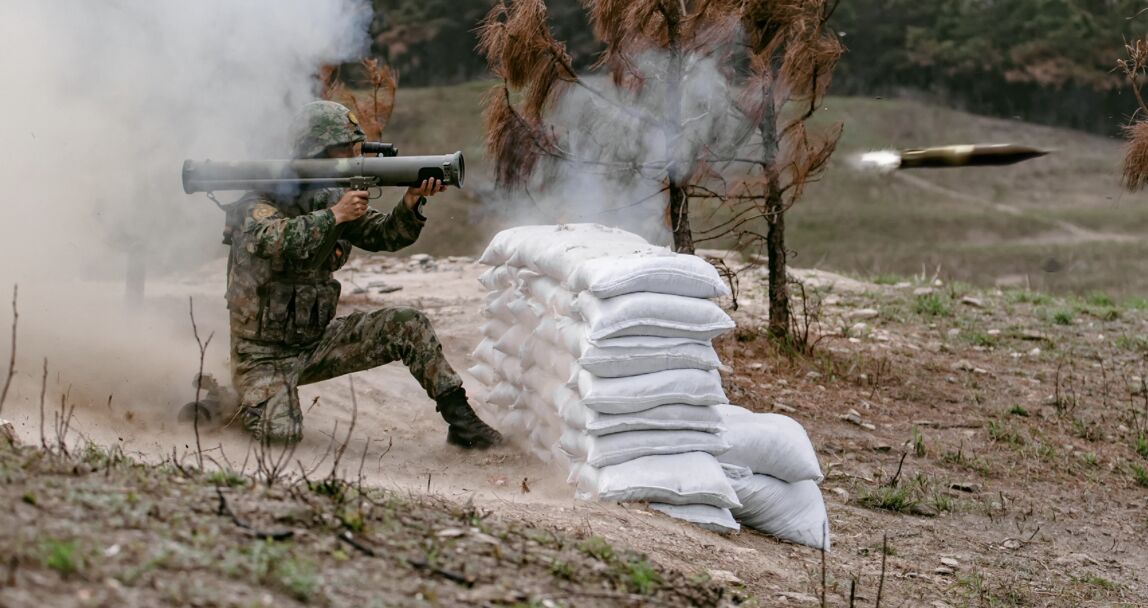
Chinese Air Assault Brigade Personnel During Exercises
China and Indonesia have resumed their Sharp Knife series of joint army counter-terrorism exercises after a 14-year hiatus, with the latest iteration focusing on hostage-rescue operations in mountainous terrain and coordination between manned and unmanned systems. The Sharp Knife 2026 exercise is being held in Guangdong Province in southern China from late October to early November, and is the third exercise in the series, following earlier drills in 2011 and 2012. The training is designed to improve the two militaries’ ability to conduct counter-terrorism operations in difficult terrain. Activities include mountain climbing, the use of specialised vehicles, helicopter rappelling, close-quarters assaults and cooperation between personnel and unmanned platforms. The exercise also includes specialist training in reconnaissance, communications, unmanned systems and sniping, alongside tactical coordination and comprehensive drills involving mixed groups of Chinese and Indonesian troops.
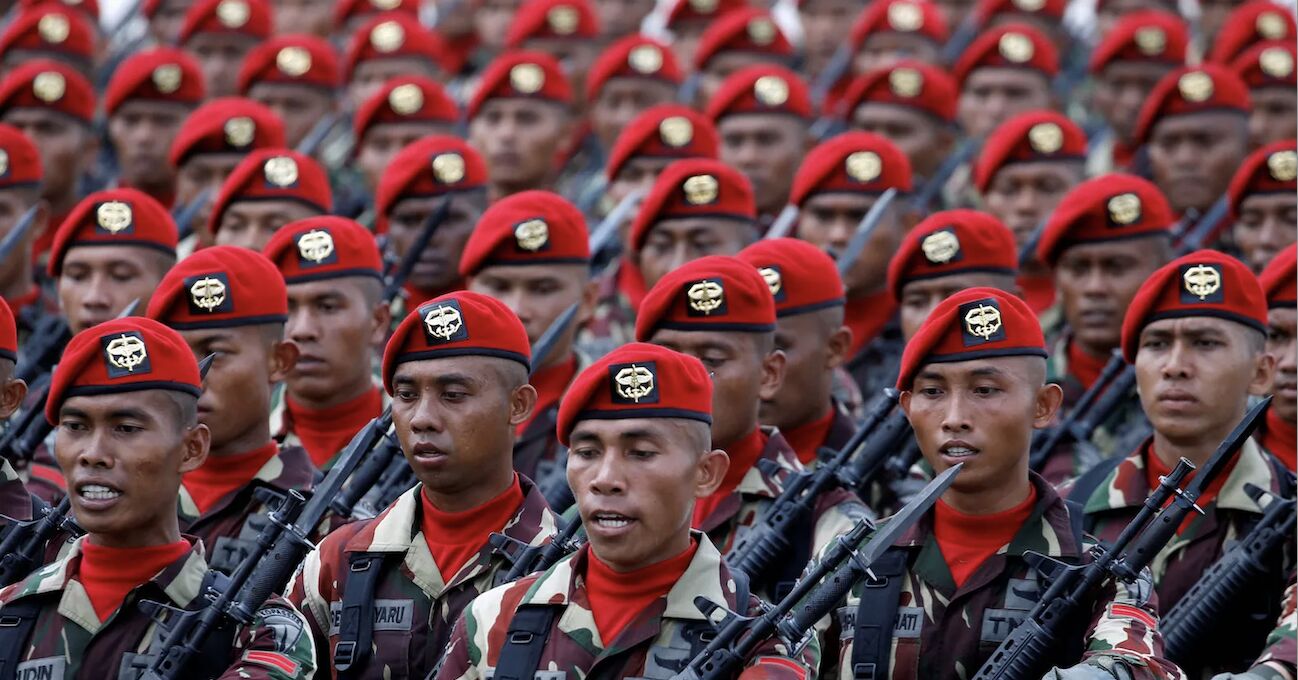
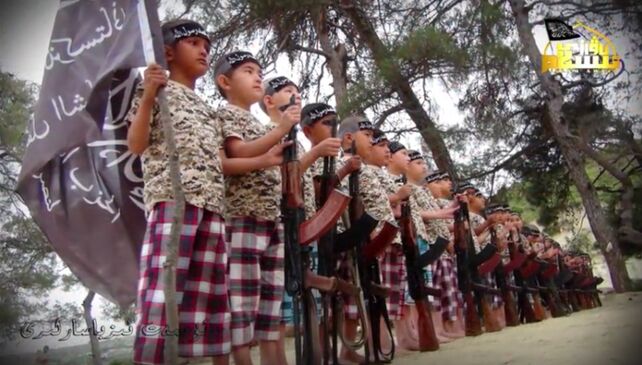
China and Indonesia have faced common terror threats primarily form Turkish-backed jihadist groups such as the East Turkestan Islamic Party, which have maintained a presence in Indonesia, and carried out large scale attacks on civilians in Central Asia, China and Thailand. The renewed exercises are intended to strengthen practical military cooperation and improve the ability of both forces to operate together. Beyond counter-terrorism, Chinese commentary has highlighted potential applications in tackling transnational crime, including telecommunications fraud and human trafficking. The two countries have also expanded high-level security dialogue, including through a joint foreign and defence ministerial mechanism established in 2025.
Chinese military commentator Song Zhongping has highlgihted that the scenario involves a coordinated sequence of operations to rescue hostages held in mountainous and forested areas. Drones would conduct initial reconnaissance, followed by ground teams using climbing techniques and specialised vehicles to approach and isolate the target area. Helicopters could then insert personnel by rappelling, before troops conduct close-quarters assaults to locate and free hostages. The previous Sharp Knife exercises were held in Bandung, Indonesia, in June 2011 and Jinan, China, in July 2012. The initiation of joint exercises has occurred amid growing signs if strengthening defence cooperation between Beijing and Jakarta, including Indonesia’s large scale procurement of J-10C fighter aircraft to form the new backbone of its combat aviation fleet.
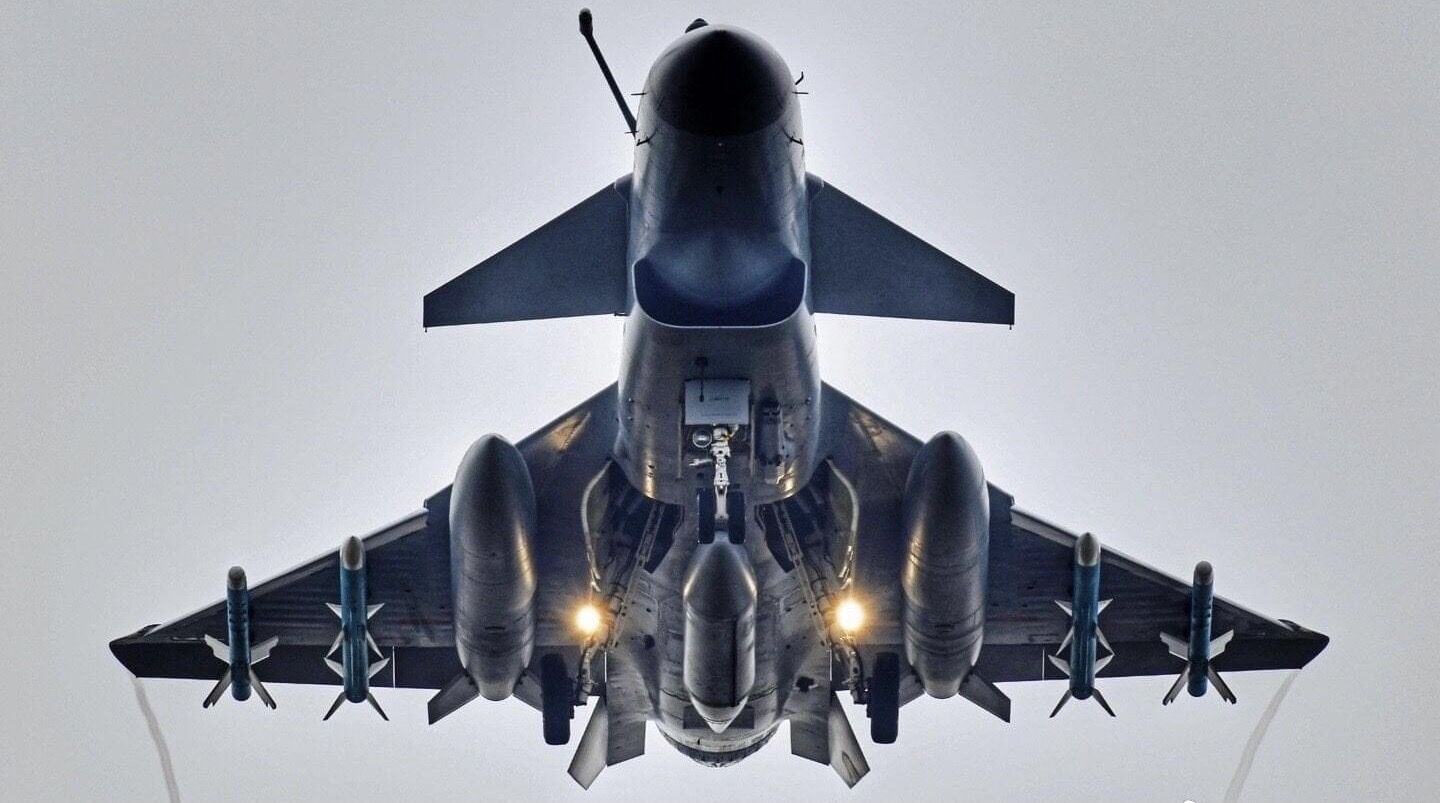
Indonesian Defence Minister Sjafrie Sjamseoddin first confirmed the planned procurement of J-10C fighters on October 16, 2025, while Indonesian sources in early October 2026 reported that the country’s armed forces were preparing to receive their first J-10C fighters within six months. Local sources in June widely reported that the country’s defence ministry has doubled orders from 42 to 84 fighters, potentially making Indonesia by far the largest foreign operator of the type. Acquiring such a large number of J-10s would allow the Air Force to phase all its older fighter types out of service, including the U.S. F-5 and F-16, and the Russian Su-27 and Su-30. The strengthening of defence cooperation reflects a broader bolstering of economic ties between Jakarta and Beijing, which has included tremendous Chinese investment in infrastructure and large scale technology transfers.
