China’s Heavily Armed Type 052D Destroyers Tracked Operating Around Okinawa
Military Watch Magazine Editorial Staff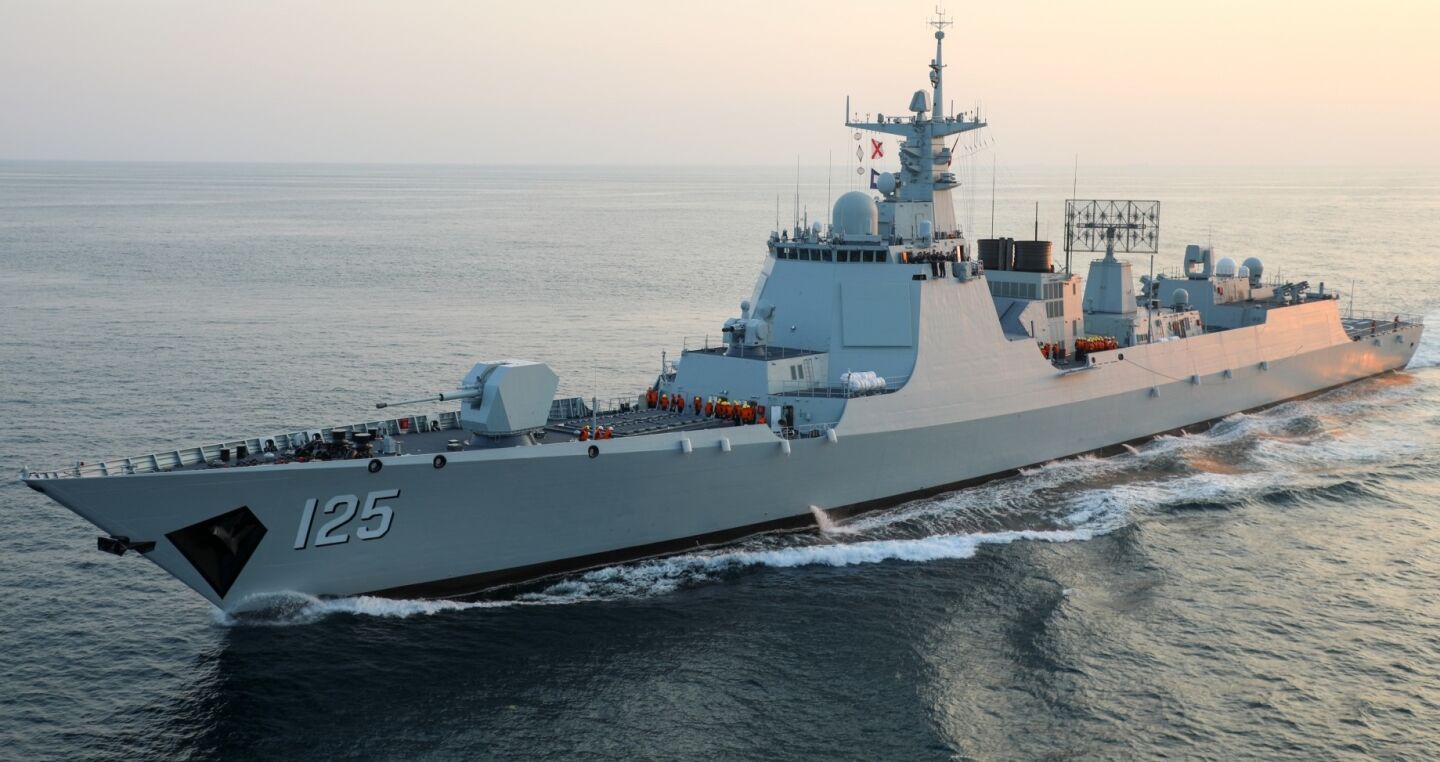
Chinese PLA Navy Type 052D Class Destroyer Cangzhou
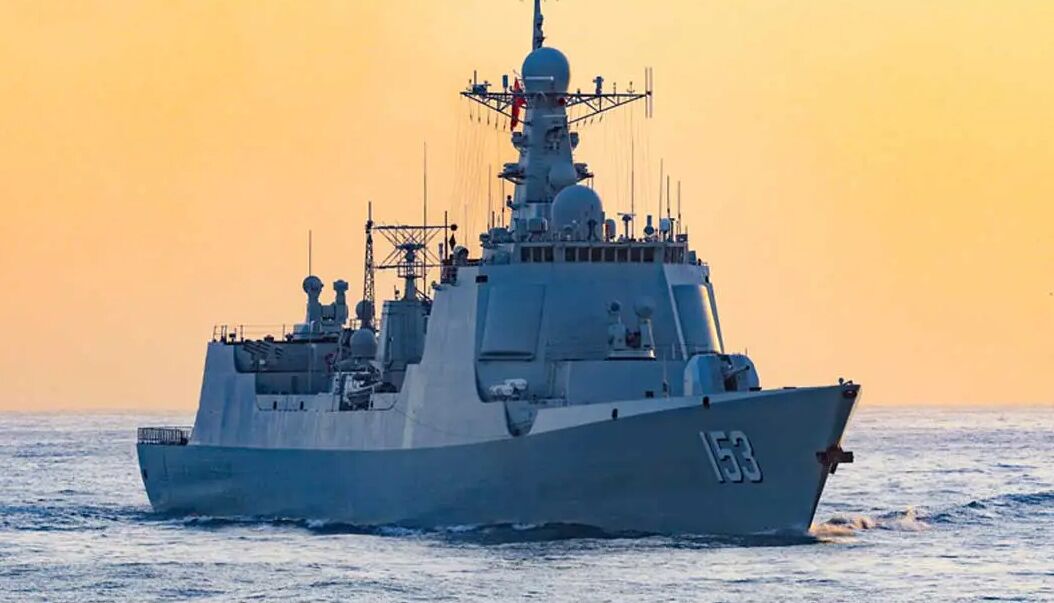
The Japan Maritime Self-Defense Force has monitored two Chinese Type 052D destroyers transiting the Miyako Strait between Okinawa and Miyako Island over a two-day period, highlighting the continued expansion of the People's Liberation Army (PLA) Navy's operations in the western Pacific. The deployment is significant due to the concentration of U.S. forces in Japan around Okinawa, and to the island’s strategic location for a potential Taiwan Strait conflict. According to Japan's Ministry of Defense, the two destroyers were accompanied by separate replenishment vessels, with one formation travelling northwest towards the East China Sea on November 1 and another heading southeast towards the Pacific on November 2. The movements were monitored by Japanese maritime patrol aircraft, with the repeated deployment of Type 052D destroyers underscoring the class's increasingly prominent role in China's expanding blue-water naval operations.
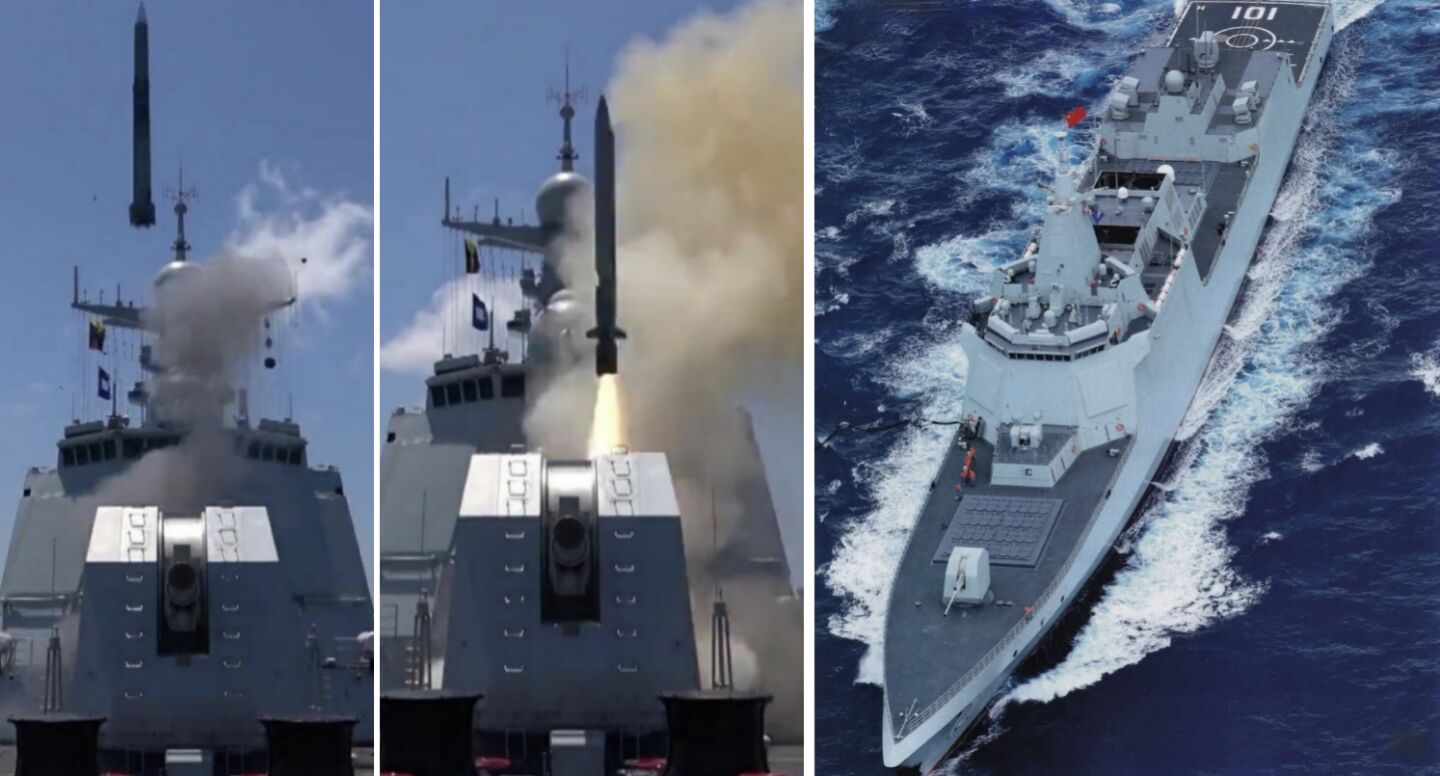
The Type 052D, known by NATO's reporting name Luyang III, is the most significant surface combatant program undertaken by China’s Navy since the turn of the century, and has become by far its most numerous modern guided-missile destroyer class. The first vessels entered service in 2014, representing a substantial improvement over earlier Chinese destroyers through the integration of modern phased-array radar systems, universal vertical launch systems and more sophisticated combat management capabilities. One of the most significant features of the Type 052D is its 64-cell universal vertical launch system, arranged in two groups of 32 cells, one forward and another aft. Unlike the earlier Type 052C, which employed a much less versatile revolver-style launch system designed for surface-to-air missiles, the Type 052D's system can accommodate several different missile types, substantially increasing its operational flexibility.
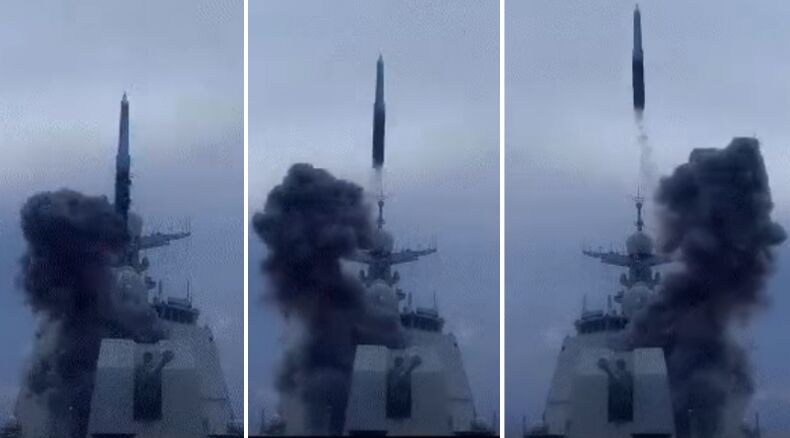
The Type 052D’s primary armaments include HHQ-9 long-range surface-to-air missiles, YJ-18 anti-ship cruise missiles, and YJ-20 hypersonic ballistic missiles, among others. U.S. and Japanese destroyers integrate no missiles with comparable capabilities to the YJ-18 and YJ-20, providing a distinct advantage to the Chinese vessels. The destroyers' principal sensor is the Type 346A Dragon Eye multifunction phased-array radar, comprising four fixed antenna panels that provide continuous surveillance without requiring the radar itself to rotate. This architecture allows the vessels to detect and track multiple aerial and surface targets simultaneously, supporting engagements against aircraft, cruise missiles and other potential threats. The radar is integrated with the ships' combat management and missile systems, giving the Type 052D an important area air-defence role within larger naval formations, including aircraft carrier task groups. Its combination of long-range sensors and vertical-launch missiles allows it to provide protection beyond the immediate vicinity of the vessel itself.
While the Type 052D’s sensors and armaments are less powerful than the much larger 13,000 ton Type 055 class, they are similarly sophisticated and have been procured in much greater numbers. The Type 055 is widely considered the world’s most capable surface combatant, with the service entry of the two destroyer types in parallel having been a game changer of rate balance of power at sea. The latest movements through the Miyako Strait form part of a broader pattern of increasingly frequent Chinese deployments of both destroyer types around Japan's southwestern islands. On October 14, the aircraft carrier Liaoning and three accompanying destroyers transited the strait into the Pacific before conducting carrier aviation operations south of Ishigaki Island. On October 27, the Type 055 destroyer Lhasa, Type 052D destroyer Xining, Type 054A frigate Yancheng and replenishment ship Hoh Xil Lake also passed through the waterway. Chinese Y-9 surveillance aircraft additionally conducted several flights through the area during late October, prompting Japanese fighter aircraft to be scrambled to monitor their movements.