
China Opens First Foreign Air Base in Laos: How Can it Complement Aviation’s Range Advantages?
Military Watch Magazine Editorial Staff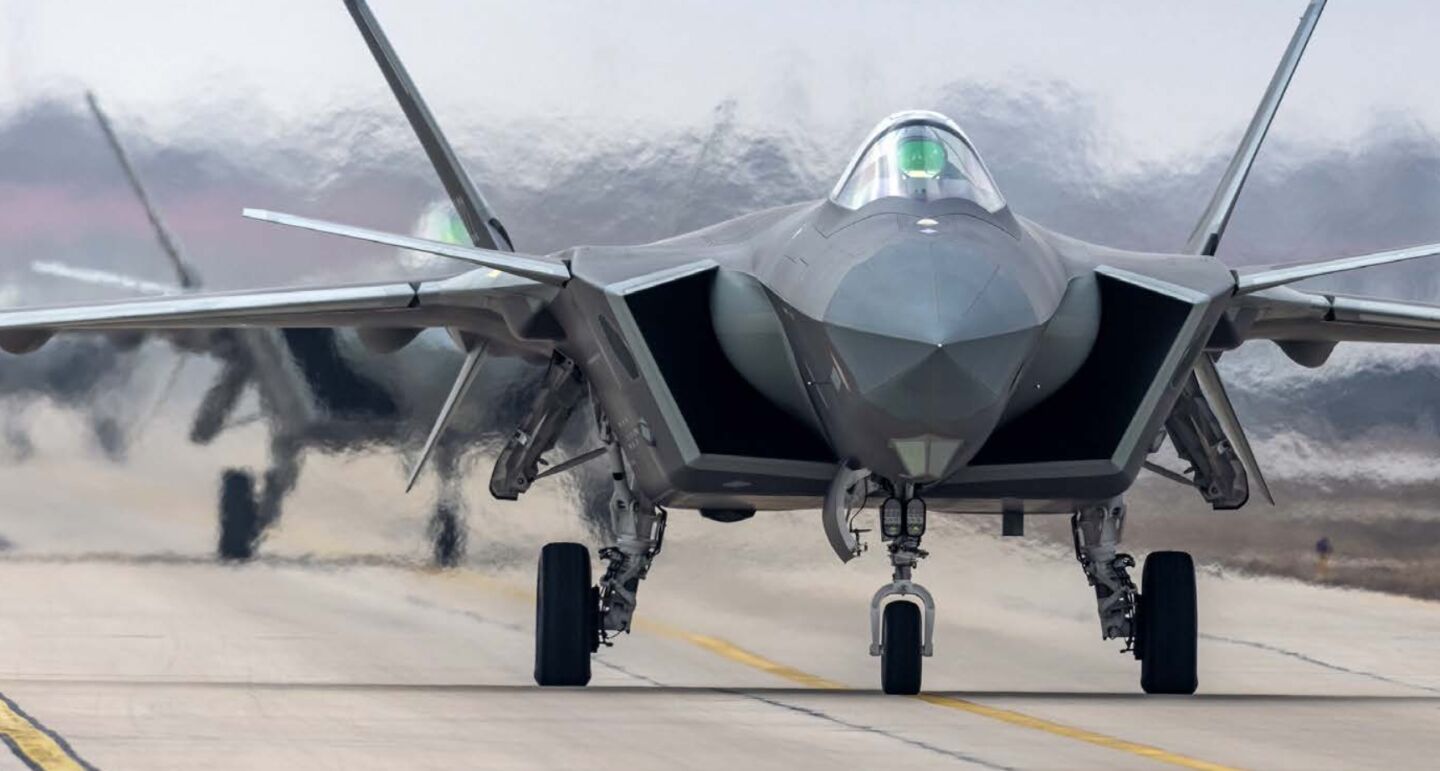
J-20 Fighters with the Chinese PLA Air Force 1st Air Brigade
China has established a new joint military support and training centre in Laos, providing the People’s Liberation Army with another overseas military facility and expanding its defence presence in Southeast Asia. The China-Laos Joint Support and Training Centre and the China-Laos Friendship Aviation Academy officially began operations at Ban Keun Airport on September 29, according to China’s Ministry of National Defense. The Ministry said the facilities will help Laos strengthen the training and development of its air force pilots.
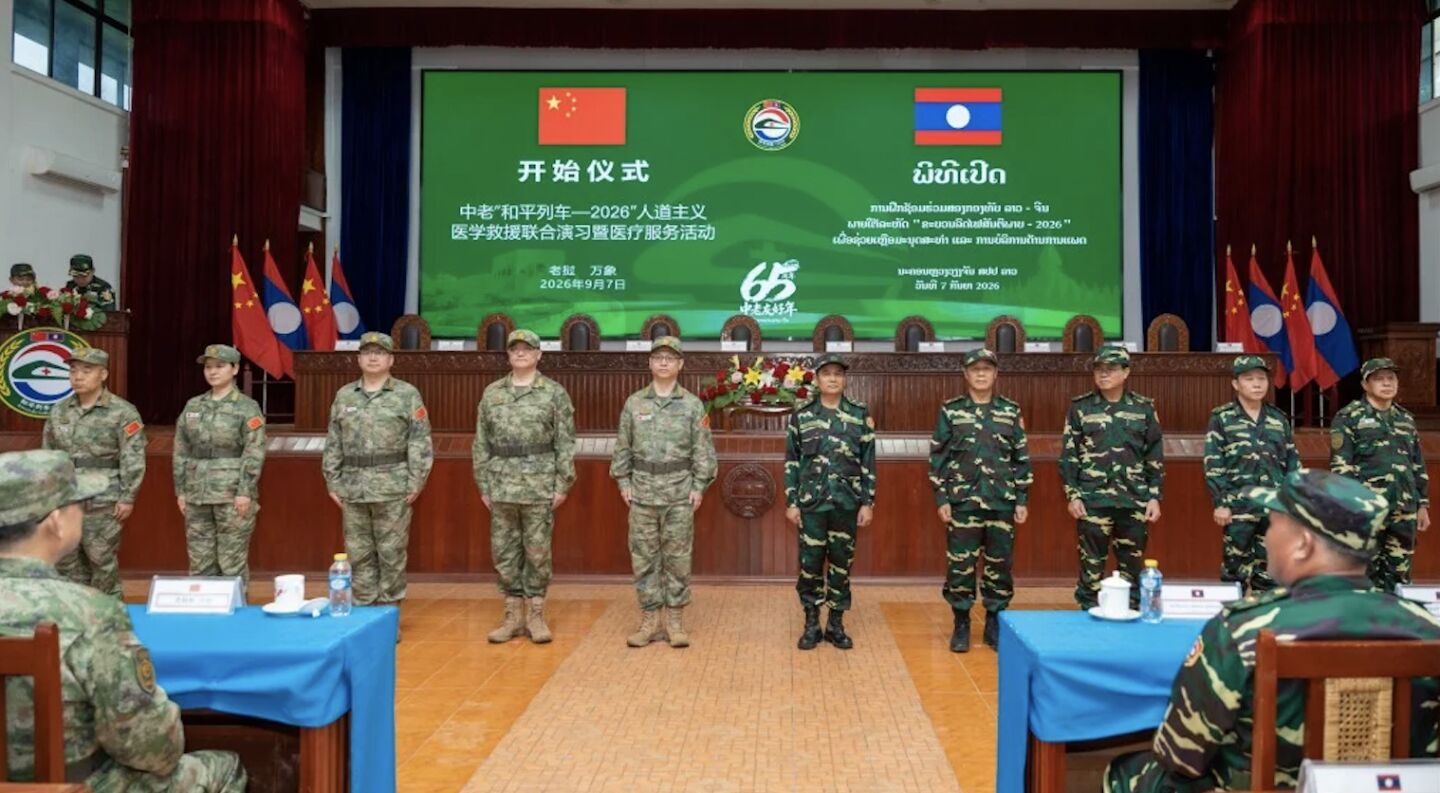
The two institutions will be jointly maintained and operated by China and Laos, although Beijing has not disclosed the number of Chinese or Lao personnel assigned to the facility or what aircraft and other equipment will be based there. There has been considerable speculation from Chinese analysts that the facility could eventually host long range fighter aircraft. Ban Keun Airport is located in Vientiane Province, approximately 45 kilometres north of the Lao capital. The airfield has historical military significance, having previously served as a tactical support site during the Laotian Civil War and Vietnam War era.
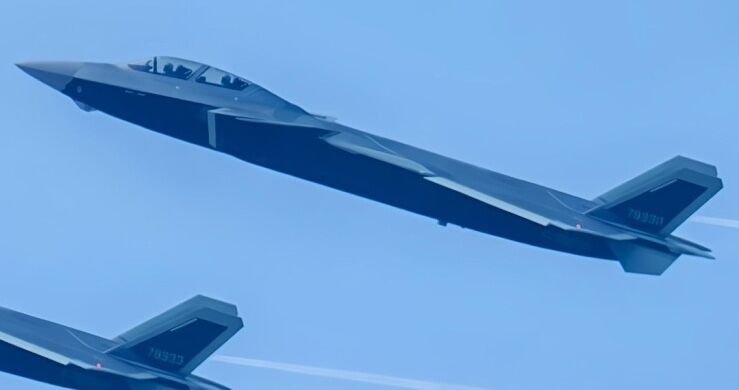
The possibility of basing in Laos has been raised at a time when China has continued to expand the leads of its air force in both the ranges of its fighters, and in the availability of modern tanker support for aerial refuelling. The J-20 is currently assessed to the world’s longest ranged fighter type, with over double the combat radii of its U.S. rivals. Its successor being developed under the J-XX program is estimated to have a range approaching twice as long as the J-20’s. Foreign basing could significantly complement these advantages. Range is particularly critical in the Pacific theatre due to the vast distances separating airbases from their targets.
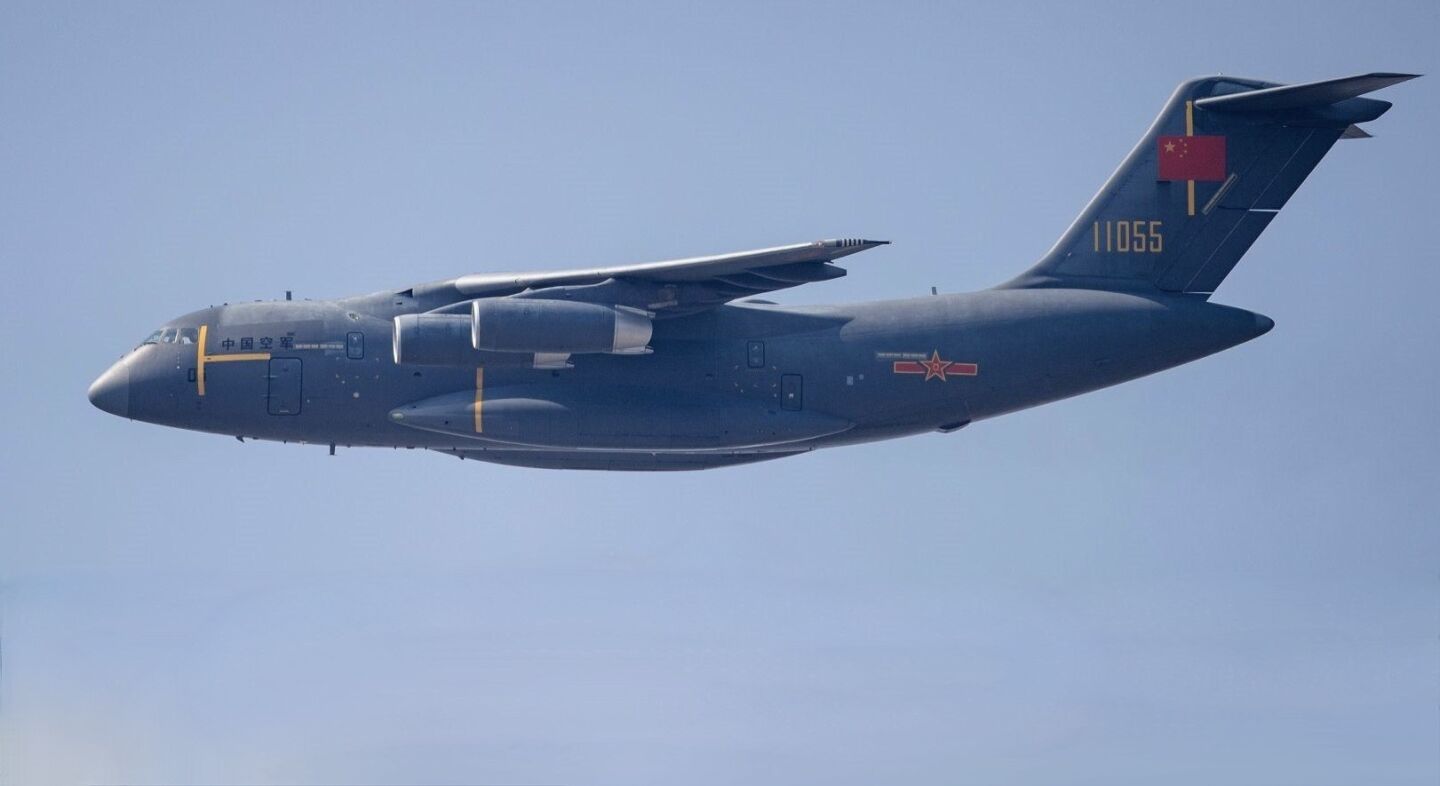
Satellite imagery indicates that construction of the new facilities began around October 2025 and expanded substantially over the following year. The airport’s longest runway is approximately 2,000 metres long, sufficient to accommodate large aircraft such as the Y-20 heavy airlifter. The People’s Liberation Army has historically maintained relatively few permanent facilities outside Chinese territory. China’s first acknowledged overseas military base was established in Djibouti in 2017, providing logistical support for operations including anti-piracy missions in the Gulf of Aden and activities in East Africa and the Middle East.
China more recently established a joint training and support centre with Cambodia at Ream Naval Base on the Gulf of Thailand. The facility was formally opened in 2025 and is intended to support military cooperation between the two countries. Cambodia has denied that Chinese forces are permanently stationed at Ream. The facility is the first publicly announced Chinese overseas military installation focused primarily on air force training and support, making it a major landmark for China’s emergence as a leading military power. Although China has surpassed the rest of the world in a wide range of its military capabilities, it remains significantly behind the United States in its access to foreign basing.
