
China and Belarus Conduct Joint Airborne Warfare Drills as Both Face Rising Tensions with NATO
Military Watch Magazine Editorial Staff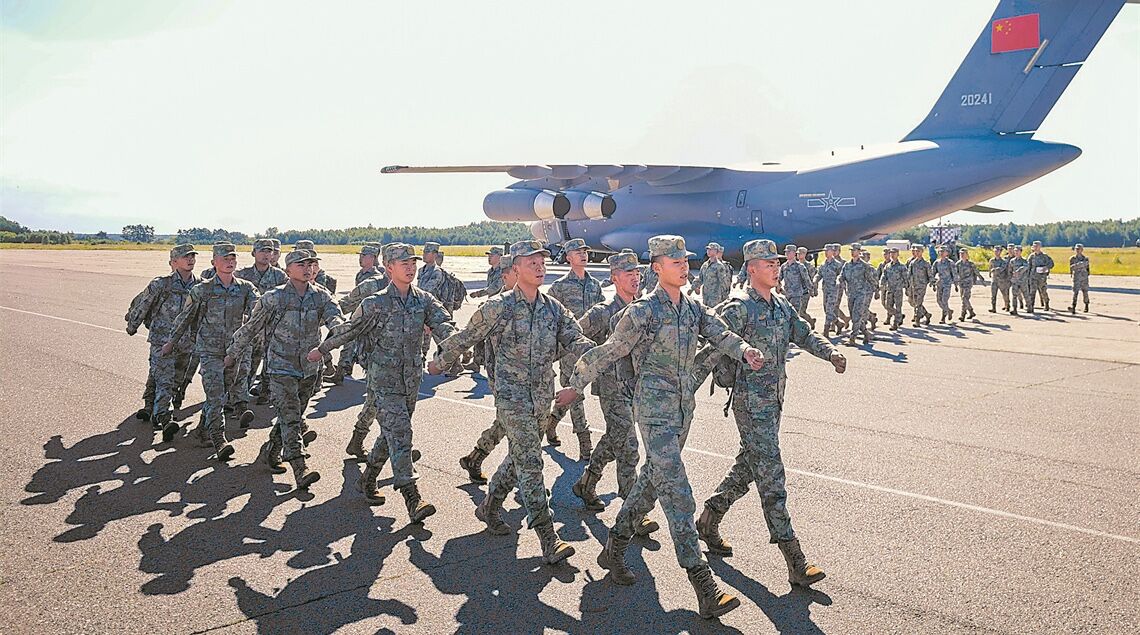
Chinese PLA Personnel in Belarus
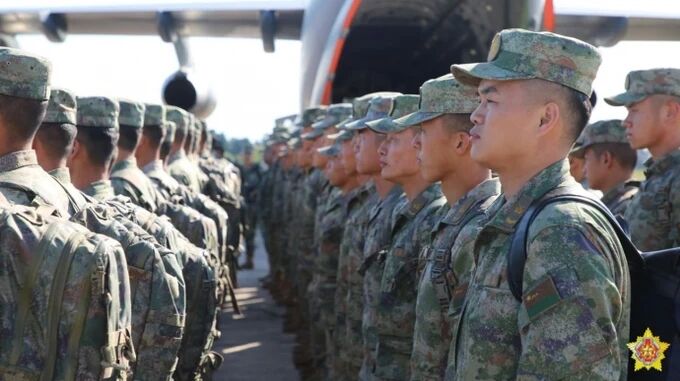
China and Belarus have conducted joint airborne counter-terrorism training with the launch of the fourth iteration of the Swift Eagle exercise. The exercise is focused on joint counter-terrorism operations in urban terrain, with participating forces training in surveillance and counter-surveillance, seizure and control of objectives, protection operations, and the elimination and defence of positions. The programme will also include seminars and cultural exchanges. Chinese state media described the exercise as an opportunity to improve the combat capabilities of the participating forces and deepen substantive military cooperation.
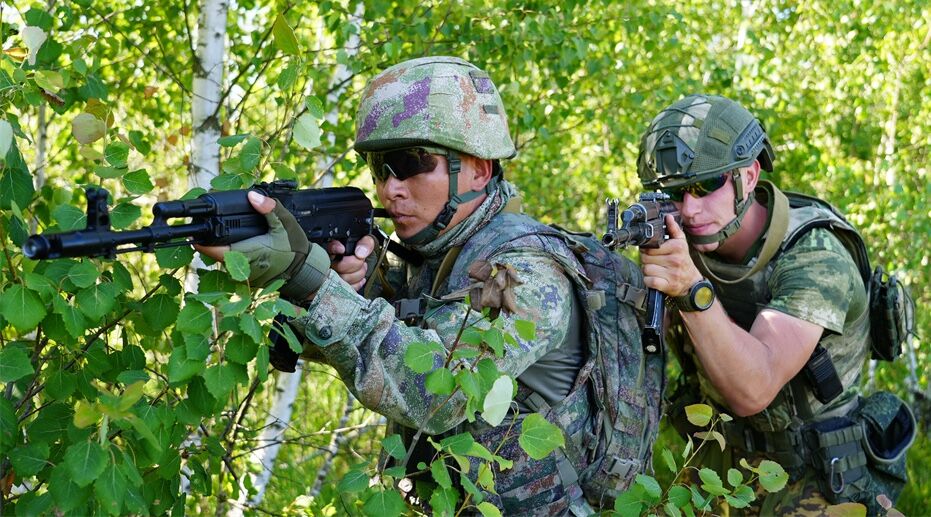
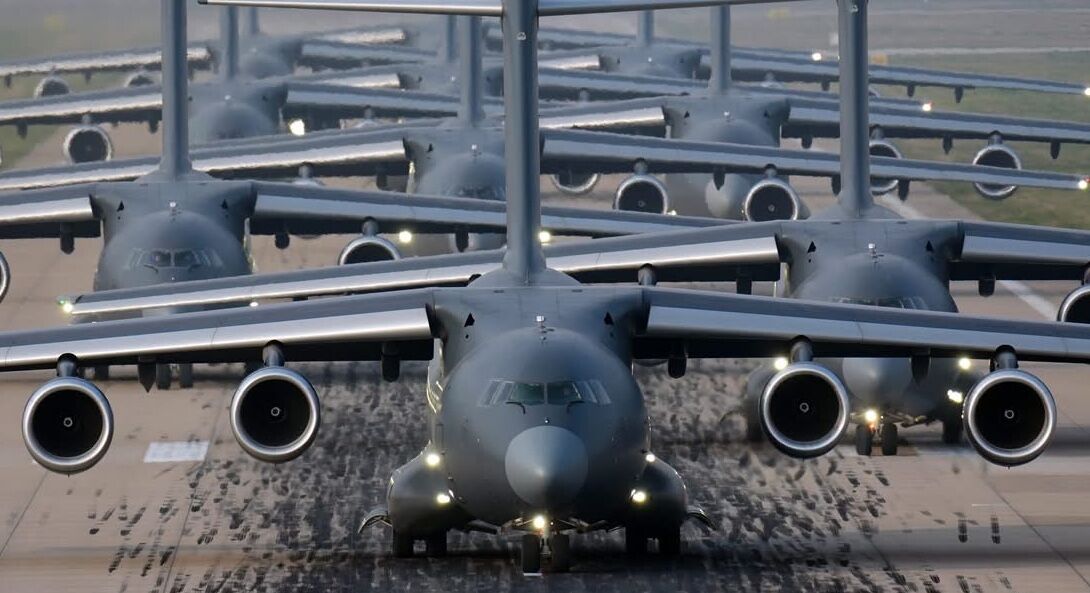
Training began on August 12 at a People’s Liberation Army (PLA) Air Force training centre in China, marking the first Swift Eagle exercise since 2015 and another indication of the expanding practical military relationship between Beijing and Minsk. The airborne component is particularly significant because of the specialised capabilities required for rapidly deploying forces into contested or difficult-to-access areas. Although neither side has disclosed the equipment involved, Chinese military analyst Wang Yanan suggested that Belarus could employ Il-76 transport aircraft for relatively small-scale, low-altitude airborne operations, while China, although also fielding a sizeable Il-76 fleet, is more likely to use more modern Y-9 or Y-20 transports. The Y-20 is currently the largest military transport in production worldwide.
Chinese forces previously deployed to Belarus in July 2024 for eleven day Eagle Assault military exercises, which took place in the Brest region less than 5 kilometres from the borders of Poland. While the ground forces of both countries have been involved in multilateral exercises in the past, and Belarusian forces have participated in exercises in China, this represented the first deployment of Chinese ground forces for exercises in Belarus, bringing them unprecedentedly close to NATO territory. Belarus had seen tensions with both Ukraine and with Poland rise in the preceding months, with the head of the Belarusian Armed Forces special operations command Vadzim Dzenisenka having elaborated: “the situation in the world is difficult, and so we are practicing new forms and methods of solving tactical tasks.”
Although Chinese airborne forces have substantial experience conducting large-scale military exercises, their employment in counter-terrorism operations has been relatively limited. China's domestic counter-terrorism missions are generally handled by police and People's Armed Police units, meaning airborne forces would primarily be relevant to exceptional scenarios requiring the rapid deployment of substantial forces, such as operations against terrorists occupying large urban complexes. Swift Eagle 2026 therefore provides an opportunity to practise a specialised mission that would otherwise receive comparatively little operational experience.
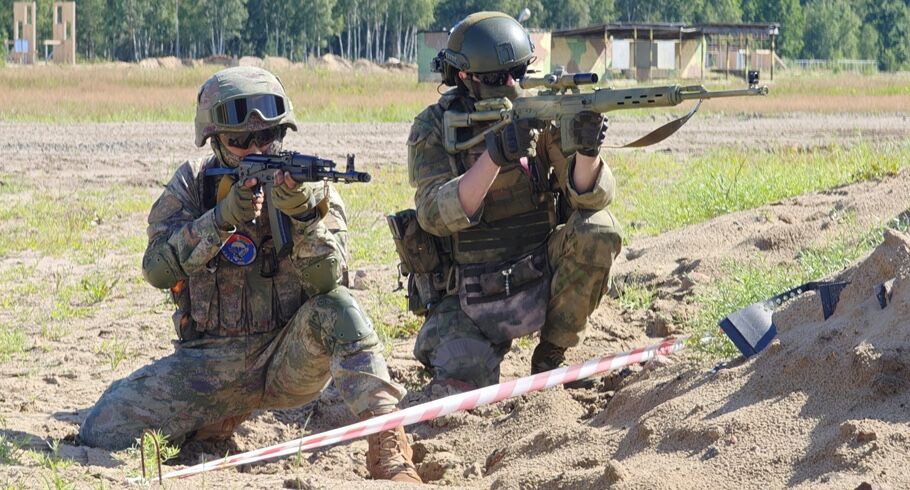
The training is not intended simply to allow either side to replicate the other's tactics. Wang characterised it as an opportunity for the two forces to establish a basis for cooperation and become familiar with each other's operational procedures. This is particularly relevant to airborne operations, where differences in command procedures, communications, logistics and tactical doctrine can complicate multinational operations. The exercise also represents a revival of a military relationship that dates back more than a decade. Chinese and Belarusian airborne forces conducted joint training in 2011 and 2012, while Swift Eagle 2015 saw a PLA Air Force airborne special-operations detachment deployed to Belarus. The latest exercise therefore restores a pattern of cooperation that had been interrupted for approximately eleven years.
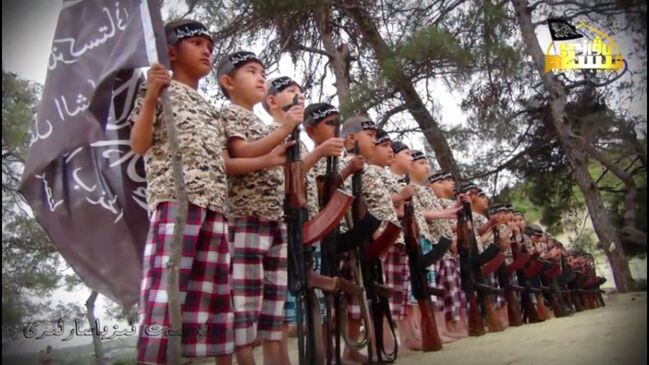
For China, the value of Swift Eagle therefore extends beyond counter-terrorism. Regular exercises provide an opportunity to test interoperability, develop familiarity between personnel and identify differences in doctrine and equipment. While the current exercise does not indicate that China and Belarus are preparing for joint conventional combat operations, the restoration of airborne cooperation demonstrates Beijing's continued interest in developing practical military relationships with partners outside its immediate region. China nevertheless faces a persistent terrorism threat, primarily from Turkish-backed jihadist militant groups such as the East Turkestan Islamic Party, which have built up forces estimated at over 20,000 strong in Turkey and Syria and received considerable material, training and intelligence support.
